Select premium routing services, asset hardware, and specialized forwarding frameworks optimized for risk mitigation
Underwriting the Future of International Trade and Multimodal Logistics Integrity
In an era defined by volatile geopolitical dynamics, climate-induced maritime re-routings (such as transit restrictions in the Panama Canal and Suez Canal bypasses), and high-velocity e-commerce demand, the vulnerability of global cargo has reached unprecedented levels. Cargo insurance is no longer merely a financial line item; it is a structural mechanism for business continuity. Without robust risk transfer mechanisms, international trade between manufacturing centers in China and consumption markets in North America, Europe, and the Asia-Pacific region exposes stakeholders to existential capital losses.
Many importers erroneously assume that carrier liability covers the full replacement value of lost goods. In marine logistics, the ancient principle of General Average dictating that all cargo owners share the cost of a ship’s emergency sacrifices means that cargo owners can face hefty liens to cover salvaging expenses, even if their own cargo was completely undamaged. Modern cargo insurance policies are engineered to address these complex global trade variables.
The global cargo insurance market is currently experiencing significant underwriting shifts. Historically, premiums were calculated solely based on historical loss-run data and the commoditized properties of the shipping lanes. Today, advanced cargo protection requires a convergence of physical security, real-time IoT tracking, and data-driven risk assessment. Importers and exporters demand end-to-end transparency, moving away from fragmented port-to-port policies to highly comprehensive warehouse-to-warehouse terms.
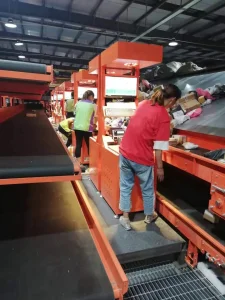
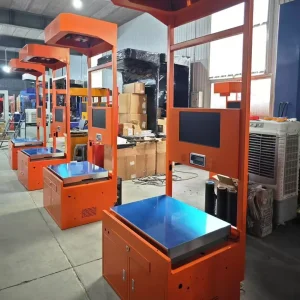
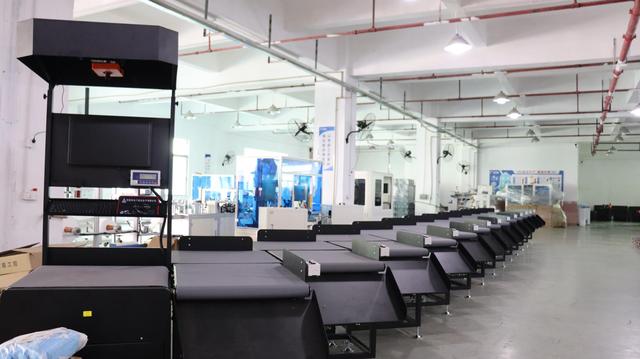
With China acting as the world's leading exporter of industrial components, consumer electronics, and machinery, Chinese logistics facilitators and cargo insurance solutions providers have rapidly transitioned from simple transactional forwarders to sophisticated, tech-enabled risk management systems. The integration of high-precision diagnostic and sorting systems—such as automated DWS (Dimensioning, Weighing, and Scanning) systems—ensures that the exact physical attributes of shipments are logged prior to transit, creating an immutable audit trail for underwriters.
Shenzhen StudioWare Logistics Co., Ltd.
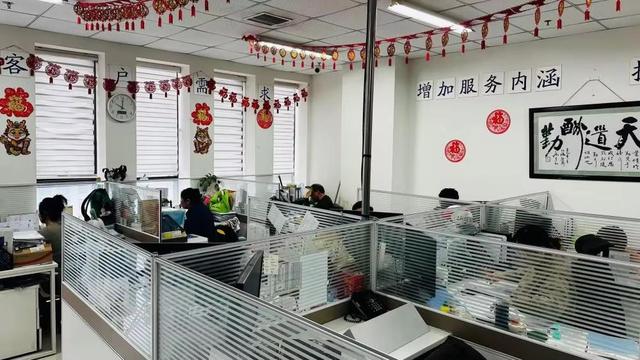
Shenzhen StudioWare Logistics Co., Ltd. is a professional international logistics and supply chain service provider specializing in cross-border logistics, express delivery services, air freight, sea freight, and global supply chain solutions. The company is committed to offering efficient, reliable, and cost-effective transportation services for global trade between China and international markets.
With a strong global logistics network, StudioWare Logistics provides end-to-end shipping solutions including pickup, warehousing, customs clearance, freight forwarding, and last-mile delivery. Its services cover a wide range of international routes, supporting e-commerce businesses, manufacturers, and trading companies with stable and scalable logistics operations.
The company integrates modern logistics management systems with real-time tracking technology to ensure transparency, shipment visibility, and timely delivery performance. By optimizing transportation routes and combining air, sea, and multimodal logistics options, Shenzhen StudioWare Logistics helps clients reduce shipping costs while improving delivery efficiency.
Shenzhen StudioWare Logistics Co., Ltd. also offers customized supply chain solutions tailored to different industries and cargo requirements, including time-sensitive shipments, bulk freight, and cross-border e-commerce logistics.
Driven by globalization and digital logistics innovation, the company aims to become a trusted global logistics partner, connecting China with key international markets such as North America, Europe, Asia-Pacific, and emerging economies through high-quality cross-border transportation services.



Deciphering Coverage Options and Operational Protections
To formulate an airtight supply chain protection strategy, shippers must align their operations with standard global underwriting templates. In the cargo insurance domain, the Institute Cargo Clauses (ICC) framework dictated by the International Underwriting Association of London represents the global benchmark.
This represents the broadest range of protection, often referred to as "All Risks" coverage. It underwrites loss or damage resulting from external occurrences, excluding specific systemic exemptions (such as inherent vice of the goods, packaging defects, or insolvency of the carrier). Suitable for high-value machinery, pharmaceuticals, and electronics.
A narrower framework providing coverage against specific named perils. This includes events like earthquakes, volcanic eruptions, lightning strikes, water ingress from sea or river exposure, and complete washing overboard of cargo.
The most restrictive coverage tier, primarily covering major accidents such as vessel grounding, collision, capsizing, derailment of land transit vehicles, and discharge of cargo at a port of distress. It typically excludes minor water ingress or localized damage.
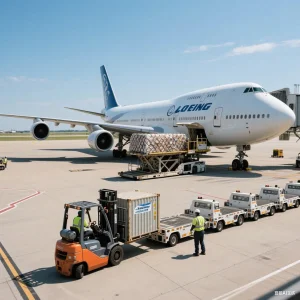
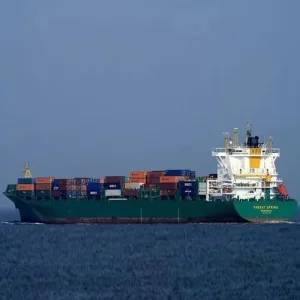
Underwriters look favorably upon logistics providers who integrate physical security measures into their transit architecture. For instance, combining China to America / Europe Sea Shipping with active, IoT-driven tracking systems significantly lowers loss-ratio projections. When a shipper can prove continuous temperature, humidity, and location tracking, underwriting entities offer reduced premium deductibles.
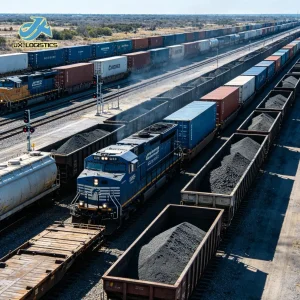
Furthermore, using structured intermodal transit pathways, such as Cross Border Multimodal Rail and Road Combined Transport Services, creates redundancy in global routing. By bypassing contested maritime zones through dry port rail corridors across Central Asia to Europe, shippers bypass highly volatile maritime insurance premium hikes.
Tailoring Risk Containment to Border Anomalies and Local Regulatory Environments
Integrating Smart Telematics, Automated Auditing, and Blockchain Verification
The legacy approach to cargo claims processing relies on post-facto discovery—determining that goods were damaged weeks after arrival. The modern tech roadmap implemented by top-tier logistics operators completely changes this dynamic.
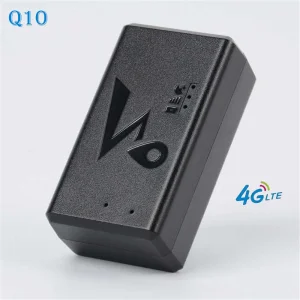
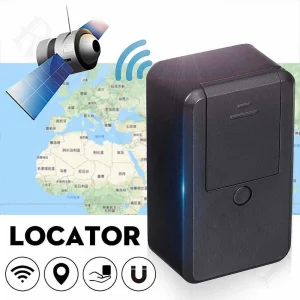
By embedding active telematics devices, such as the Q10 4G LTE Global GSM GPS Tracker Locator or GF19 Magnetic Real-Time GPS Tracker, into cargo pallets or containers, logistics providers gain real-time visibility. If an unexpected acceleration event (indicative of a container drop) or a temperature spike occurs, the system logs the exact timestamp and GPS coordinates. This instant telemetry dramatically simplifies the underwriting claim process, assigning liability to the precise transit leg where the damage took place.
The integration of Auto Static Logistics DWS Systems and Truelisort Automatic Logistic E-Commerce Warehouse Scanner Dynamic DWS Systems ensures that cargo weight and dimensional measurements are digitally verified and recorded before dispatch. In insurance disputes, having an automated system scan the goods eliminates discrepancy disputes with terminal operators or steamship lines regarding whether damage occurred in the warehouse or during ocean freight.
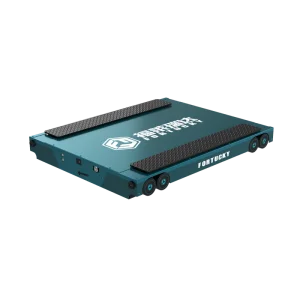
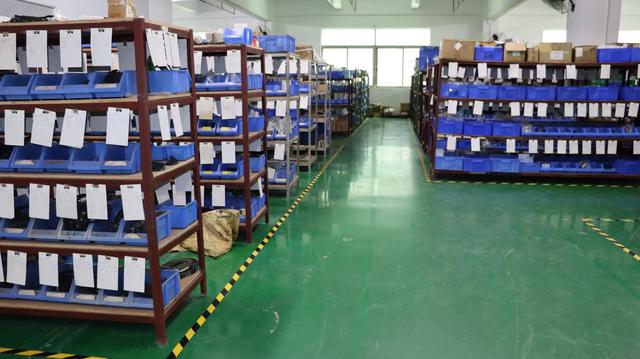
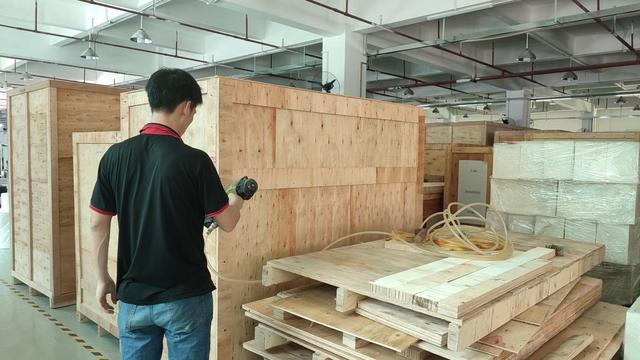
Beyond simple telemetry, advanced logistics networks incorporate systems like the Fortucky Advanced Smart Goods Handling & Logistics Automation System to systematically reduce mechanical errors, forklift impacts, and storage accidents. Automated sorting drastically reduces human-error damages, which are historically the primary cause of denied insurance claims under standard "packaging and handling" exclusions.
Essential Insights on Global Cargo Insurance Policies, Claims, and Risk Operations
Ensuring hardware capability and precision sorting to prevent shipping transit damages
 StudioWare Logistics