The first selection of original StudioWare service and equipment pages is retained with its original URL and image, then framed for Novosibirsk procurement teams evaluating chilled, frozen, pharma, express and project cargo options from China.
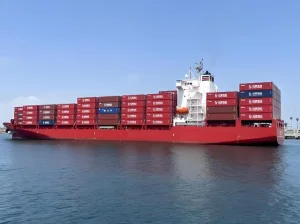
A China-origin reefer-container service pattern that can inform Novosibirsk route design for frozen and chilled cargo, with temperature validation, port handling and multimodal handover planning.
Useful for importers of fresh food, produce and temperature-sensitive consumer goods that need sea freight plus rail or road connection into the Novosibirsk region.

High-value express and air-cargo handling for temperature-sensitive electronics, battery products and time-critical shipments, with customs-clearance and door-delivery coordination relevant to Novosibirsk air corridors.
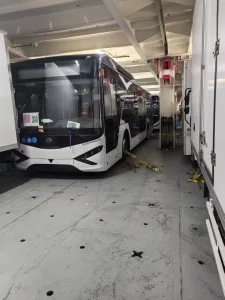
A route example showing how Xiamen-origin reefer planning, equipment selection and thermal risk controls can be adapted for China-to-Novosibirsk procurement programs.
Shenzhen StudioWare Logistics Co., Ltd. is a professional international logistics and supply chain service provider specializing in cross-border logistics, express delivery services, air freight, sea freight, and global supply chain solutions. The company is committed to offering efficient, reliable, and cost-effective transportation services for global trade between China and international markets.
With a strong global logistics network, StudioWare Logistics provides end-to-end shipping solutions including pickup, warehousing, customs clearance, freight forwarding, and last-mile delivery. Its services cover a wide range of international routes, supporting e-commerce businesses, manufacturers, and trading companies with stable and scalable logistics operations.
The company integrates modern logistics management systems with real-time tracking technology to ensure transparency, shipment visibility, and timely delivery performance. By optimizing transportation routes and combining air, sea, and multimodal logistics options, Shenzhen StudioWare Logistics helps clients reduce shipping costs while improving delivery efficiency.
Shenzhen StudioWare Logistics Co., Ltd. also offers customized supply chain solutions tailored to different industries and cargo requirements, including time-sensitive shipments, bulk freight, and cross-border e-commerce logistics.
Driven by globalization and digital logistics innovation, the company aims to become a trusted global logistics partner, connecting China with key international markets such as North America, Europe, Asia-Pacific, and emerging economies through high-quality cross-border transportation services.
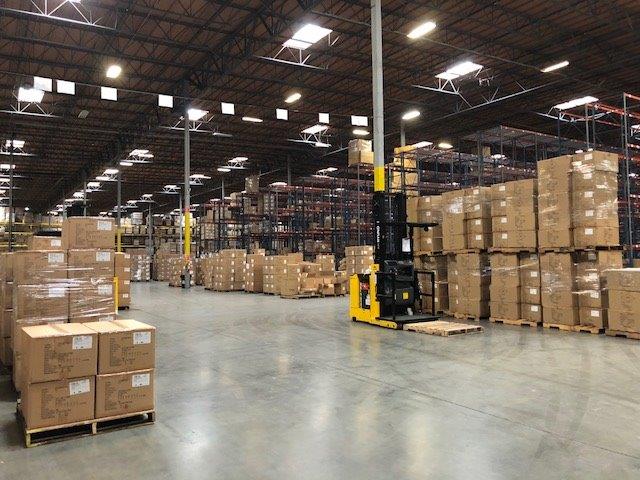


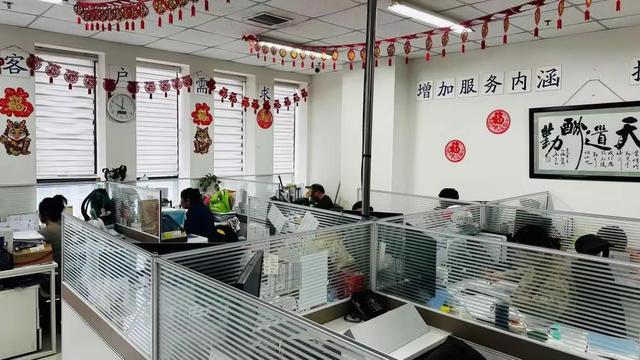


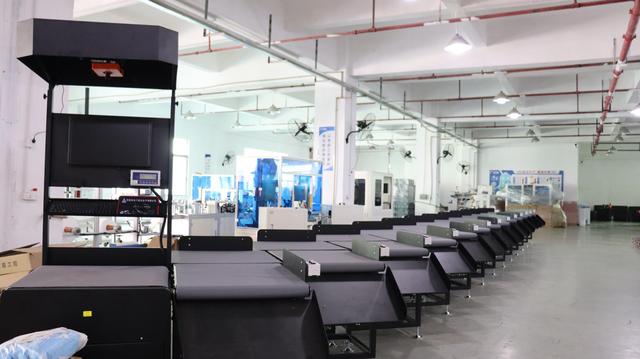
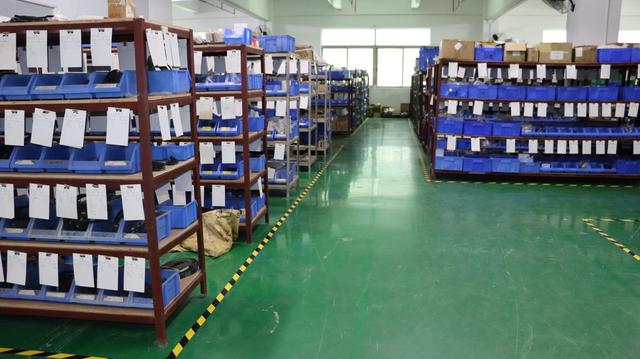

Novosibirsk is commonly described as the largest city in Asian Russia and a major scientific, industrial and distribution hub. For cold-chain planning, its value is not only population size; it is the combination of air, rail and road gateways plus extreme seasonal temperature swings.
Illustrative planning index for procurement workshops, not a statistical forecast. Each lane should be validated with product stability data, carrier capability, customs classification and applicable trade-compliance rules.
A temperature-controlled shipment to Novosibirsk is not a simple port-to-door exercise. It is a chain of product-specific decisions spanning packaging, mode selection, customs, equipment performance, monitoring and last-mile execution.
Novosibirsk sits at the intersection of Siberia’s administrative, scientific and industrial economy. It is a major retail and distribution centre for surrounding regions, a base for healthcare and research institutions, and an important node on the Trans-Siberian Railway. Tolmachevo Airport adds international air-cargo capacity, while federal road corridors support onward delivery. For global manufacturers and trading companies, this creates a practical gateway for reaching consumers and industrial buyers across a wide Siberian catchment area.
The local climate changes the cold-chain question. Novosibirsk has an extreme continental climate, with severe winter cold and warm summers. This means temperature-controlled shipping must protect cargo from both heat and freezing. A +2°C to +8°C pharmaceutical shipment can be compromised by exposure to winter cold just as frozen food can be compromised by a delay during a summer transfer. Cold-chain controls must be end-to-end, not only inside the container.
Local commercial demand is diversified: imported food and beverages, meat, poultry, seafood, dairy and confectionery; pharmaceuticals, vaccines, diagnostic kits and medical devices; cosmetics, adhesives, inks, toners and specialty consumer goods; e-commerce parcels; and temperature-sensitive materials used by industrial and scientific organisations. Akademgorodok and the city’s research ecosystem also create demand for validated handling of laboratory reagents and biological materials where applicable.
Frozen meat, seafood, poultry, ice cream, dairy, confectionery, fruit and vegetables need mode-specific temperature protocols.
Vaccines, medicines, diagnostic kits and medical devices require documented temperature control and traceability.
Cosmetics, nail glue, ink, toner, food, medicine and selected battery products need fast, compliant parcel movement.
Reagents, adhesives, coatings, specialty chemicals and sensitive electronics may require specific temperature bands.
Global cold-chain demand continues to broaden from traditional food and pharma lanes into e-commerce, medical technology, chemicals, advanced manufacturing and high-value electronics. The common thread is risk: cargo value, regulatory exposure and product stability often make the cheapest unverified option the most expensive choice.
Food security and international sourcing remain major drivers. Importers require reliable reefer capacity, pre-cooling discipline, condensation management and clear contingency plans for delays. Pharmaceutical and healthcare buyers add another layer: validation, temperature logs, deviation management, packaging qualification and supplier audits are increasingly expected rather than optional.
At the same time, procurement teams are rebalancing supply chains for resilience. They compare transit time, total landed cost, customs risk, carrier schedule reliability and the ability to consolidate multiple suppliers in China. A temperature-controlled supplier must therefore act as more than a freight broker. It should coordinate pickup, warehousing, packaging, documentation, customs clearance, tracking and final delivery.
Buyers value audited lanes, contingency routing and transparent communication when schedules change.
Pharma, medical devices, specialty food and technology products justify monitoring and insurance planning.
Commercial invoices, packing lists, certificates, labelling and customs data must match the physical shipment.
Air freight may reduce transit exposure, but must still be paired with thermal packaging and handover discipline.
China’s manufacturing clusters, port network and cold-chain packaging ecosystem create practical advantages for Novosibirsk-bound cargo, provided that efficiency is matched with validation, customs discipline and route-specific risk control.
China offers multiple origin options: Shenzhen and Guangzhou for electronics, e-commerce and consumer goods; Shanghai, Ningbo and Qingdao for broad export consolidation; Tianjin and Dalian for northern routes; Xiamen and Shantou for reefer and consumer shipments. For Novosibirsk buyers, this means a supplier can often consolidate cargo from several factories before the main air, rail or road movement.
The country’s cold-chain equipment ecosystem is also deep. Refrigerated containers, insulated boxes, vacuum insulation panels, gel packs, phase-change materials, temperature data loggers and thermal blankets are widely available. Factories can quickly produce, test and scale protective packaging, but experienced buyers still verify performance data, material compatibility, labelling and documentation. Efficiency is valuable only when it supports product integrity and compliance.
Shenzhen StudioWare Logistics fits into this model by coordinating pickup, warehousing, customs clearance, freight forwarding and last-mile delivery. For temperature-controlled projects, early coordination between the factory production schedule, pre-cooling window, packaging preparation and carrier booking is often the difference between a smooth handover and a failed temperature profile.
Combine goods from several Chinese factories into one managed cold-chain plan before departure.
Reefer containers, insulated packaging, data loggers and thermal accessories can be sourced and coordinated.
Align invoice, packing list, certificates, labelling and customs data before cargo reaches the airport or rail yard.
Compare air, rail, road and multimodal options against product stability, budget and delivery deadlines.
These original StudioWare product pages cover refrigerated equipment, cost-controlled perishable freight, express consolidation and China-origin courier options. They are useful reference points for Novosibirsk buyers comparing capex, packaging and per-shipment cost structures.
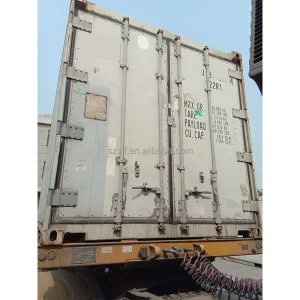
Equipment-oriented option for buyers considering container ownership, lease or dedicated cold-chain capacity for regular Novosibirsk-bound volumes.

A reference route for northern China reefer departures and temperature-controlled sea freight planning, adaptable to multimodal Siberia-bound projects.

A small-parcel and express-cargo reference for temperature-sensitive consumer goods, with relevance to Novosibirsk e-commerce and distributor replenishment.
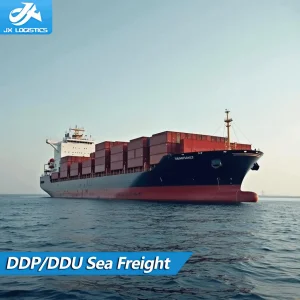
A practical option for buyers balancing freight budget with temperature integrity, consolidation timing and last-mile cold-storage availability.
Novosibirsk demand is not a single market. Food retail, healthcare, research, e-commerce and industrial procurement each define temperature control differently. The best route is the one designed around the cargo’s stability data and the receiver’s operational reality.
Frozen food shipments typically require a confirmed −18°C or colder protocol, careful pre-cooling, pallet configuration and protection against door-opening events. For Novosibirsk, winter handling must also prevent unwanted thermal shock during transfer between cold rooms and vehicles.
Chilled and fresh products may use narrow temperature windows. The supplier should match packaging, air or reefer mode, transit duration and customs dwell time to the product’s shelf-life model.
High-value healthcare cargo often requires validated thermal packaging, data loggers, deviation response plans and GDP-aligned procedures. Some products need +2/+8°C; others need controlled room temperature or frozen conditions.
Consumer and industrial products may be sensitive to freezing, heat or pressure changes. Express consolidation can reduce transit exposure, but compliance screening is still required for ingredients, liquids and battery-related items.
Research organisations, diagnostic laboratories and medical institutions around Novosibirsk may require controlled handling of reagents, samples and devices. Packaging must be validated and customs documentation must be precise.
Specialty adhesives, coatings, chemicals and selected electronic components may require frost protection or heat protection. Dangerous-goods classification, safety data sheets and carrier acceptance must be confirmed before booking.
Enterprise procurement teams rarely buy a freight rate in isolation. They evaluate whether the supplier can protect cargo, satisfy customs and trade requirements, communicate exceptions and scale across multiple product lines.
A credible proposal should explain origin pickup, consolidation, equipment choice, transit time, handover points, customs entry, delivery and contingency routing. It should identify where temperature exposure is most likely and how the supplier will control those points.
For Novosibirsk, the analysis should include winter freezing risk, airport or rail-yard dwell time, holiday schedules, customs documentation quality and last-mile refrigerated capacity. Where applicable, all movements must be screened for sanctions, export controls, dangerous goods and import-admissibility rules.
The next stage of cold-chain growth is less about adding reefer capacity and more about proof: proof of temperature performance, proof of customs readiness and proof of resilience when plans change.
Air, rail, road and consolidated express services are being combined to balance speed and cost. For Novosibirsk, the challenge is protecting temperature at each handover.
Data loggers and cloud reporting help buyers review temperature history, dwell time and exceptions. The value comes from clear ownership of data and rapid deviation response.
Pharma and high-value food buyers increasingly expect packaging validation, audit trails and documented standard operating procedures.
E-commerce and distributor replenishment models create demand for smaller batches, express consolidation and flexible cold packaging.
Cold-chain operators are under pressure to reduce packaging waste, energy use and refrigerated transport emissions while maintaining product integrity.
Sanctions screening, export controls, dangerous-goods rules and EAEU customs requirements must be built into the booking process, not added after departure.
These answers cover common search-intent questions from importers, manufacturers and e-commerce sellers comparing cold-chain partners for Novosibirsk.
The right mode depends on product value, shelf life, cargo volume and temperature tolerance. Air freight can reduce transit time for urgent pharma or high-value goods; rail and road are often suitable for larger consignments and repeat distribution; sea freight followed by multimodal handover can be cost-effective for durable frozen or chilled cargo. A route review should compare speed, total landed cost and temperature exposure.
Yes, the planning must be product-specific. Frozen cargo may require −18°C or colder, while chilled or pharmaceutical cargo may require +2°C to +8°C, controlled room temperature or another validated range. The packaging, equipment, monitoring and contingency plan must match the declared protocol.
Winter protection is not only about cooling. Some goods must be protected from freezing, while frozen goods must avoid thermal shock during transfers. Insulated packaging, heat packs, phase-change materials, pre-conditioned vehicles, efficient handovers and temperature logging can all be part of the solution. The correct combination must be validated for the product and lane.
Document requirements vary by product and trade rules. Common documents include commercial invoice, packing list, contract, transport documents, certificate of origin where applicable, labelling information, and product-specific certificates or declarations. Food, pharmaceuticals and chemicals may require additional permits, veterinary or phytosanitary documentation, safety data sheets or registration evidence. The shipper should confirm requirements with a qualified customs specialist before departure.
Small-parcel and consolidated express options can be reviewed for suitable products, but acceptance depends on carrier rules, destination import requirements, product composition and dangerous-goods status. Items such as medicines, liquids, inks, toners and battery-related products require careful compliance screening before booking.
Temperature monitoring can use single-use or reusable data loggers placed according to the shipment protocol. The key is to define who downloads and reviews the data, how excursions are escalated, and what evidence is provided at delivery. For regulated healthcare cargo, a GDP-style procedure and validated packaging may be required.
Yes, equipment options can be reviewed based on volume, route, duration, power availability and whether the buyer prefers purchase, lease or per-shipment use. A new-build 20RF container may be relevant for dedicated shuttle programs, while one-off shipments may be better served through carrier reefer equipment.
Please provide product name and commodity code if known, temperature range, total volume or weight, packaging dimensions, origin city, pickup address, destination city, expected ready date, delivery deadline, special documentation, dangerous-goods information and whether insurance or last-mile cold storage is required. This allows a more accurate mode comparison and risk review.
Share your product temperature range, origin factory, volume, delivery deadline and customs documents. Our team can review air, rail, road, sea-rail and express consolidation options for the Novosibirsk market.
Send Inquiry Now →The final eight original product and service pages are preserved below with their original images and URLs, covering pharma rail, express delivery, reefer sea freight, air freight and multi-country consolidation references.
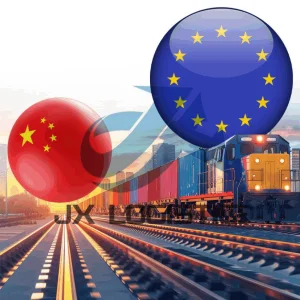
A strong reference for rail-based pharma logistics where validated thermal packaging and longer transit planning are required.
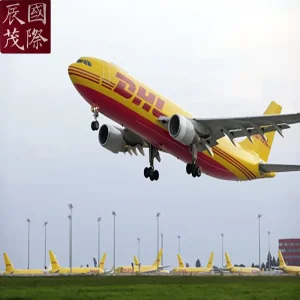
A multi-origin express reference for consumer goods and temperature-sensitive parcels, relevant to small-batch Novosibirsk distribution.
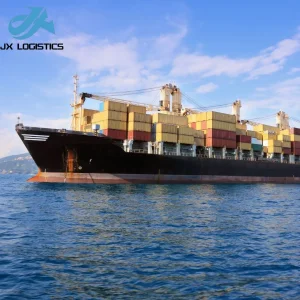
Core reefer container capability for cost-effective sea freight and multimodal handover into Siberia-bound supply chains.

Time-sensitive air freight for perishables, healthcare cargo and high-value goods where transit exposure must be reduced.

A temperature-controlled sea-freight model for perishables that can inform multimodal lane structuring for Novosibirsk importers.
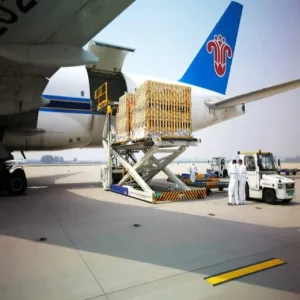
An air-cargo cost-reference example for Guangzhou-origin consolidation, useful when comparing speed and budget for Novosibirsk programs.
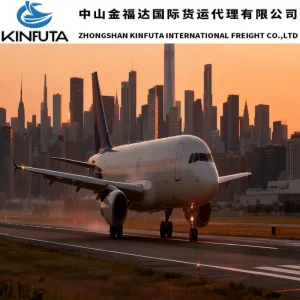
A door-to-door air-courier consolidation model that can be adapted for Novosibirsk last-mile coordination and multi-seller pickups.

A multi-port ocean consolidation example for cost-sensitive cargo where final speed is balanced against total landed cost.
 StudioWare Logistics