Discover our custom machinery, smart hardware, and professional transport channels engineered to minimize transit friction and maximize throughput.
A pioneer in enterprise-level supply chain operations and global cargo optimization.
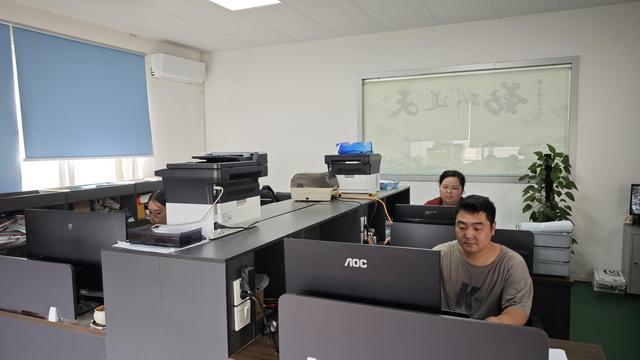
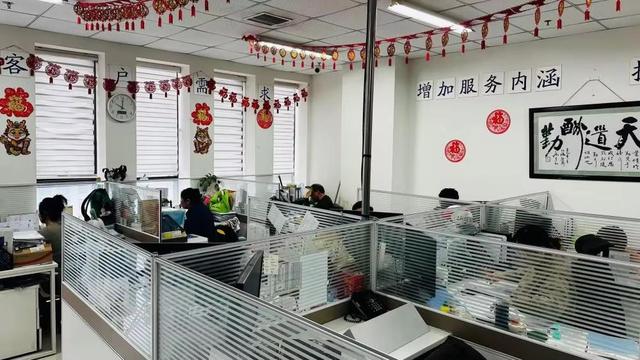
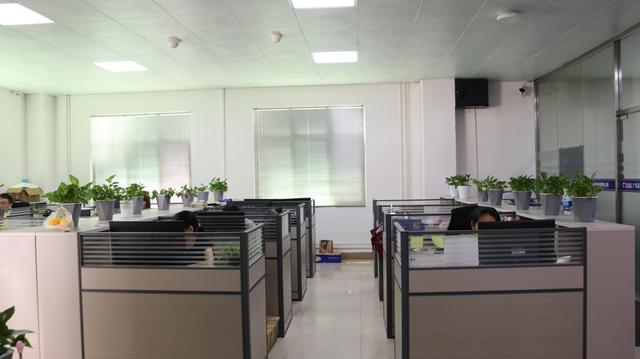
Shenzhen StudioWare Logistics Co., Ltd. is a professional international logistics and supply chain service provider specializing in cross-border logistics, express delivery services, air freight, sea freight, and global supply chain solutions. The company is committed to offering efficient, reliable, and cost-effective transportation services for global trade between China and international markets.
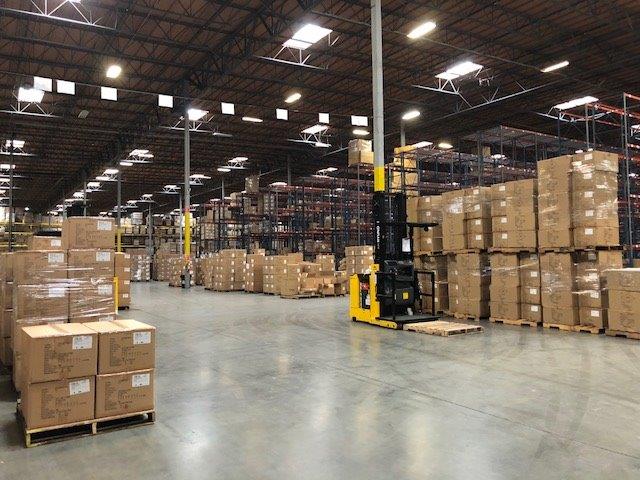
With a strong global logistics network, StudioWare Logistics provides end-to-end shipping solutions including pickup, warehousing, customs clearance, freight forwarding, and last-mile delivery. Its services cover a wide range of international routes, supporting e-commerce businesses, manufacturers, and trading companies with stable and scalable logistics operations.
The company integrates modern logistics management systems with real-time tracking technology to ensure transparency, shipment visibility, and timely delivery performance. By optimizing transportation routes and combining air, sea, and multimodal logistics options, Shenzhen StudioWare Logistics helps clients reduce shipping costs while improving delivery efficiency.
Shenzhen StudioWare Logistics Co., Ltd. also offers customized supply chain solutions tailored to different industries and cargo requirements, including time-sensitive shipments, bulk freight, and cross-border e-commerce logistics.
Driven by globalization and digital logistics innovation, the company aims to become a trusted global logistics partner, connecting China with key international markets such as North America, Europe, Asia-Pacific, and emerging economies through high-quality cross-border transportation services.

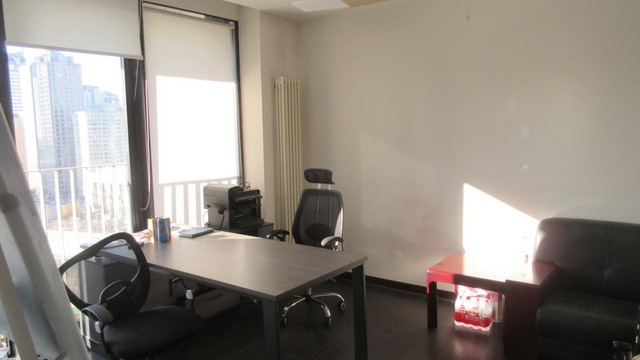
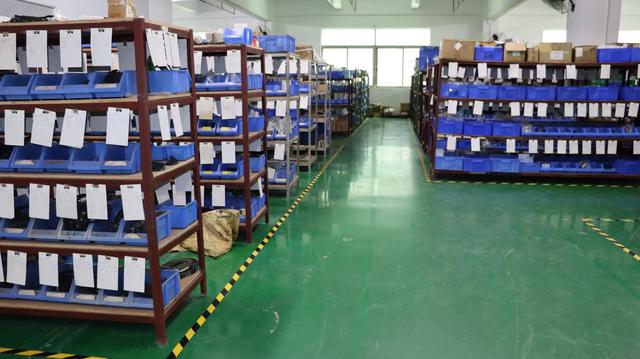
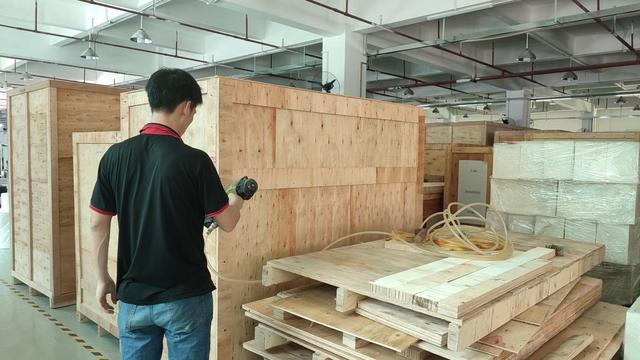
Exploring the strategic architecture of customized logistics design for high-yield cross-border procurement.
In modern trade, logistics has shifted from a mere transactional cost center to a critical core competency. Global enterprises no longer search for simple point-to-point freight forwarders. Instead, they require customized OEM/ODM logistics integration that aligns with dynamic manufacturing pipelines, fluctuating inventory capacities, and distinct regional regulations.
An OEM (Original Equipment Manufacturer) shipping solution involves designing logistics frameworks around the specific raw material inputs and outbound logistics requirements of a factory. The ODM (Original Design Manufacturer) counterpart designs, optimizes, and coordinates entire shipping networks from scratch, providing ready-to-scale shipping lanes, custom packing designs, localized duty payment methods (such as DDP), and real-time integration into enterprise resource planning (ERP) software.
Standardized, off-the-shelf freight options often lack the flexibility required to navigate sudden port strikes, container shortages, or sudden tariffs. An integrated manufacturer and supplier approach addresses these variables. By integrating logistics infrastructure directly with sorting, packaging, and clearance systems, firms achieve significant efficiency gains.
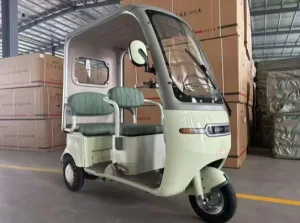
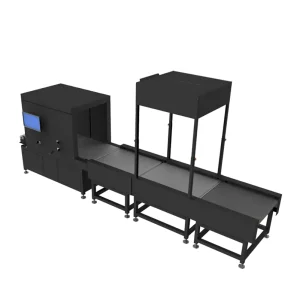
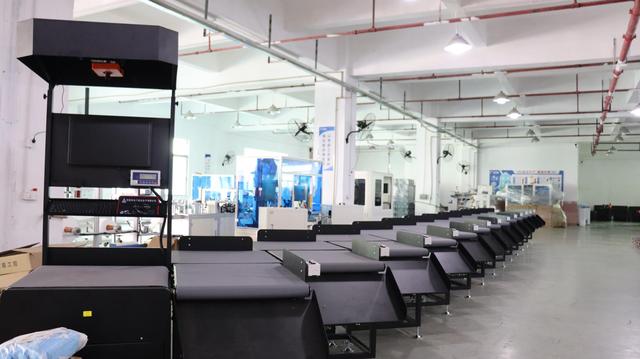
Our solutions embed technical devices like the Warehouse Management Dws System to measure, weigh, and scan packages at speed, and deploy hardware like Wanhao Cargo Electric Tricycles for low-carbon local deliveries. By linking physical hardware with cloud infrastructure, we build resilient, high-speed cargo networks.
Supply chain disruptions are expensive. Real-time routing flexibility, fast customs clearance, and tailored space allocations (e.g., flat rack or open top container systems) help logistics managers avoid costly delays. Our multi-layered framework mitigates route congestion by dynamically shifting between sea, rail, air, and last-mile trucking pipelines.
Understanding the industrial cluster advantages, infrastructure depth, and digital integration that make Chinese logistics nodes indispensable.
China is home to some of the world's busiest and most automated ports, including Shanghai, Ningbo-舟山, Shenzhen, and Qingdao. These hubs feature automated guided vehicles (AGVs) and AI-driven yard planning. Relying on partners operating near Shekou, Shenzhen, or Qingdao ensures direct access to major ocean carriers and high-frequency sailings, significantly reducing container dwell times.
Chinese factories excel at cargo consolidation. Through free consolidation options—such as our 1688 Agent Free Collection services—importers can source diverse components from multiple sub-suppliers, bundle them in a secure warehouse, and ship them as a single, cost-effective container. This process reduces import duties, administrative costs, and destination landing fees.
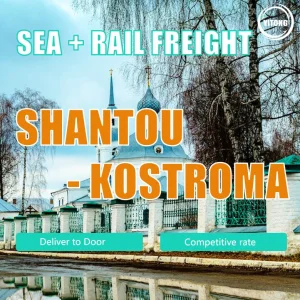
Beyond traditional ocean routes, Chinese logistics providers offer extensive land-bridge connections. The New Silk Road railway corridor enables sea-rail freight options from ports like Shantou and Xiamen to inland European terminals such as Kostroma, Russia, or Duisburg, Germany. This multimodal approach bridges the gap between fast, expensive air transport and slow ocean transit.
Structuring next-generation transport frameworks around regulatory transitions, trade block changes, and smart technologies.
The global logistics landscape is undergoing rapid transformation. Geopolitical shifts, nearshoring, and evolving environmental regulations require businesses to build agile supply chain architectures. Industry leaders are focusing on the following core trends:
Sustainable operations are increasingly mandatory. Fleet electrification—including the integration of specialized electric cargo tricycles for last-mile deliveries—is growing rapidly. Forward-thinking suppliers are actively adopting zero-emission vehicles to help clients hit carbon-neutral targets.
Delivered Duty Paid (DDP) is becoming the standard for cross-border e-commerce and mid-market industrial procurement. By handling customs clearance, paying import duties, and coordinating final delivery, DDP solutions reduce administrative friction for international buyers.
Modern warehouses rely heavily on Dimensioning, Weighing, and Scanning (DWS) systems. These tools quickly capture package profiles and integrate directly with warehouse management systems (WMS). Real-time tracking data helps prevent misrouting and enables dynamic inventory management.
| Feature Parameter | Standard Shipping Services | OEM Custom Logistics | ODM Integrated Supply Chain Solutions |
|---|---|---|---|
| Customized Routing | Fixed Hub-to-Hub Lanes | Modified paths based on cargo load | Dynamic, multi-modal routing (Sea-Rail-Air-Road) |
| Customs Handling | Consignee Handles (FOB/EXW) | Custom Agent Assistance | Full DDP Clearance, Tariff prepays, Duty optimization |
| Warehouse Automation | Manual sorting, barcode scanning | Standard WMS, periodic inventory count | Fully integrated DWS systems, IoT sensors, instant tracking |
| Last Mile Dispatch | Standard postal / commercial courier | Partnered LTL/FTL trucking | Dedicated electric fleet, customized timing, zone sorting |
| Packaging & Labeling | Standard shipping boxes | Custom sizes & inner protection | Optimized package sizing, proprietary barcodes, protective design |
Examining how specific global trade lanes operate under tailored OEM/ODM shipping frameworks.
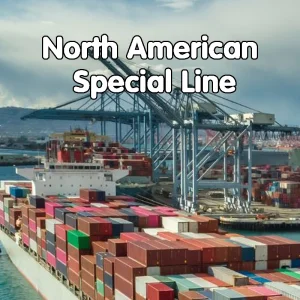
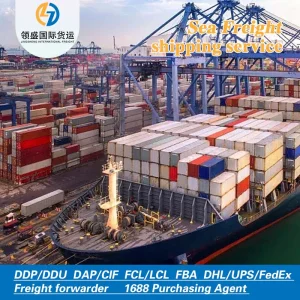
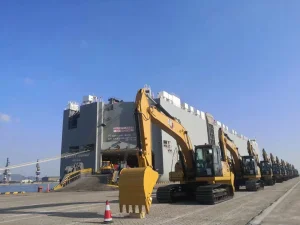
Importers sourcing goods for North American markets face strict customs regulations and potential delays. Our customized DDP sea freight services manage this complexity by prepaying duties, clearing customs, and handling final delivery. For heavy machinery or large industrial parts, specialized container options—like Open Top and Flat Rack setups—ensure safe loading and transport from ports like Shekou to Pacific hubs.
For landlocked destinations or inland cities, standard ocean freight requires multiple transfers. Combining ocean shipping from Shantou to rail connections through China-Europe freight hubs offers a fast, reliable alternative for shipping to regions like Kostroma. This intermodal approach cuts transit times down to 18-22 days, compared to 40+ days via southern sea routes.
Southeast Asia is a key region for manufacturing and trade. Deploying dedicated, localized DDP sea freight channels between China and Indonesia enables businesses to move raw materials, electronic components, and consumer goods quickly. Local warehouse integration, automatic DWS scanning, and reliable domestic delivery networks help manufacturers maintain lean supply chains.
Answers to common operational questions regarding OEM/ODM integration, customs processing, and transit optimization.
Standard freight forwarding typically handles the transport of cargo from Port A to Port B without modification. OEM/ODM Integrated Shipping Solutions customize the entire process, adapting to product packaging, tracking systems, and compliance requirements. They provide tailor-made transit routing, automated warehouse processing, custom consolidation, and localized customs delivery options (such as DDP).
DWS stands for Dimensioning, Weighing, and Scanning. In modern cross-border logistics, manual measurement is slow and prone to errors. An integrated DWS system automatically captures package dimensions, weight, and barcode data in seconds, feeding it directly into the warehouse management software. This reduces processing times, cuts manual errors, and optimizes cargo layout in shipping containers.
DDP simplifies import logistics by shifting the responsibility for customs clearance, import duty payment, and local distribution to the seller or logistics partner. For international businesses, this reduces the risk of unexpected port charges, tariff disputes, and customs delays, ensuring a predictable cost structure and smoother logistics operations.
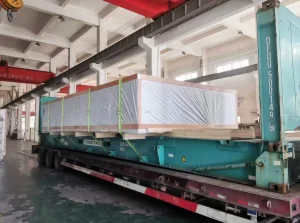
Standard containers are designed for uniform box cargo. Large machinery, industrial components, and heavy equipment often cannot fit through standard container doors. Open Top containers allow for top loading via crane, while Flat Rack containers support oversized or heavy cargo from the sides, ensuring safe securement and transport for non-standard items.
Yes. Many modern logistics providers offer consolidation and agent services. They collect cargo from multiple suppliers, verify package counts, consolidate items into single containers, and handle export clearance, helping businesses reduce administrative overhead and shipping costs.
Explore our specialized rail, sea, multimodal routes, and custom equipment designed for reliable global shipping.
 StudioWare Logistics