Type
International Aviation Service
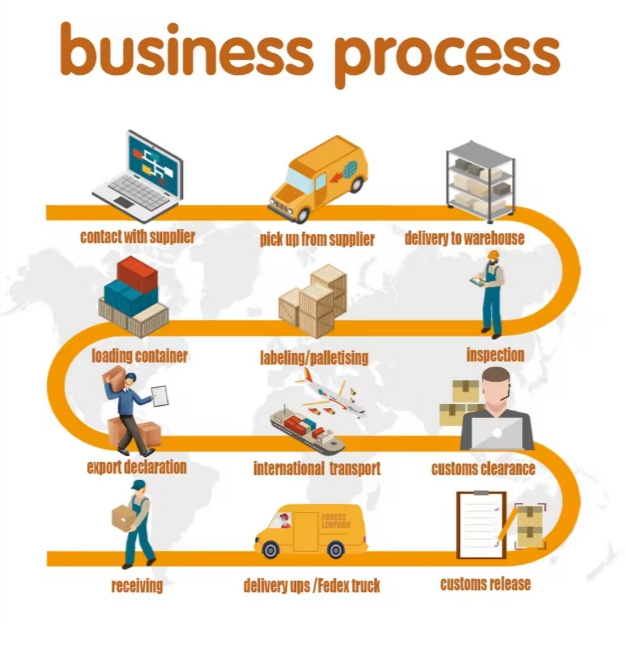
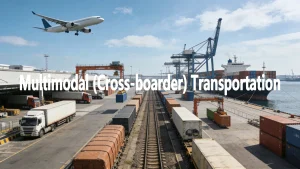
Multimodal Transport Connection
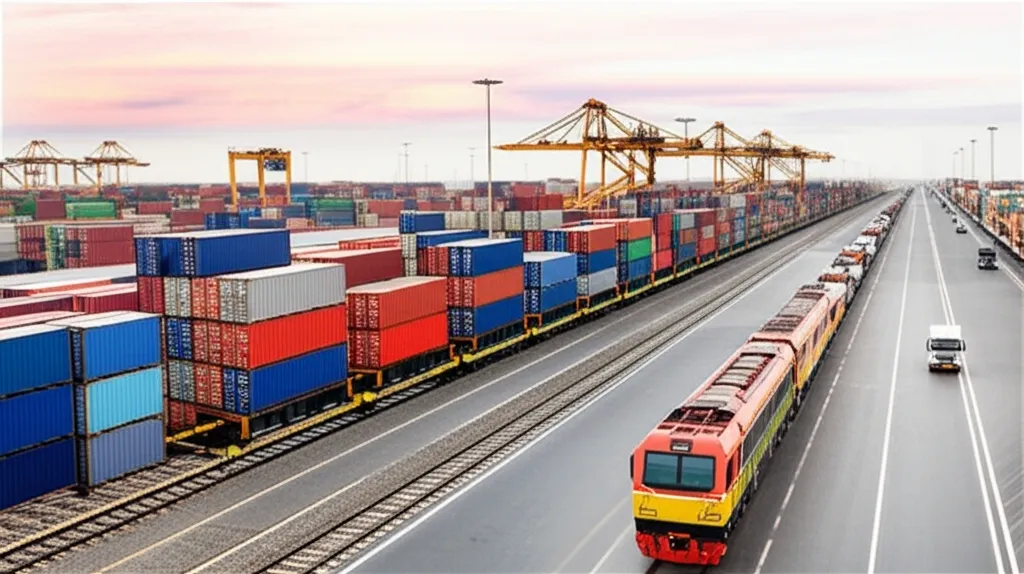
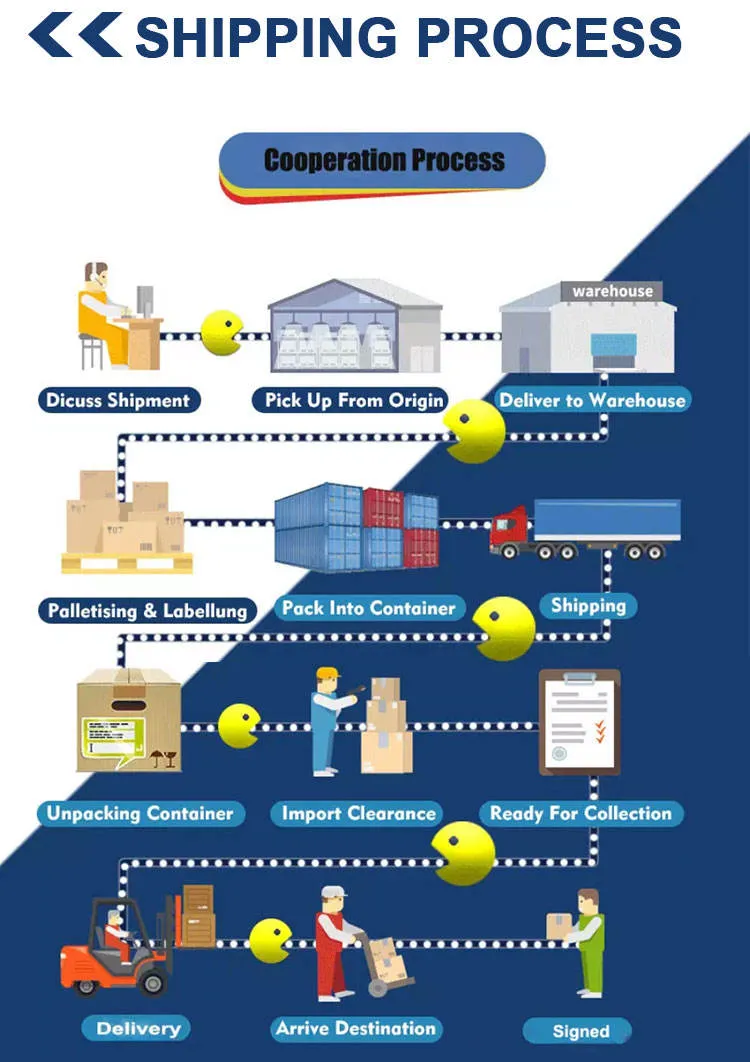
Rail + Sea/Road/Air Transport, Achieving "Door-to-Door"
Standard Runtime
Western Corridor: 12-15 Days, Eastern Corridor: 10 Days
Transportation Costs
30% Higher Than Sea Freight, 60%-70% Lower Than Air
Product Category
New Energy Vehicles, Photovoltaic Modules, etc.
Belt and Road Positioning
A Core Carrier of "Hard Connectivity" in International Logistics
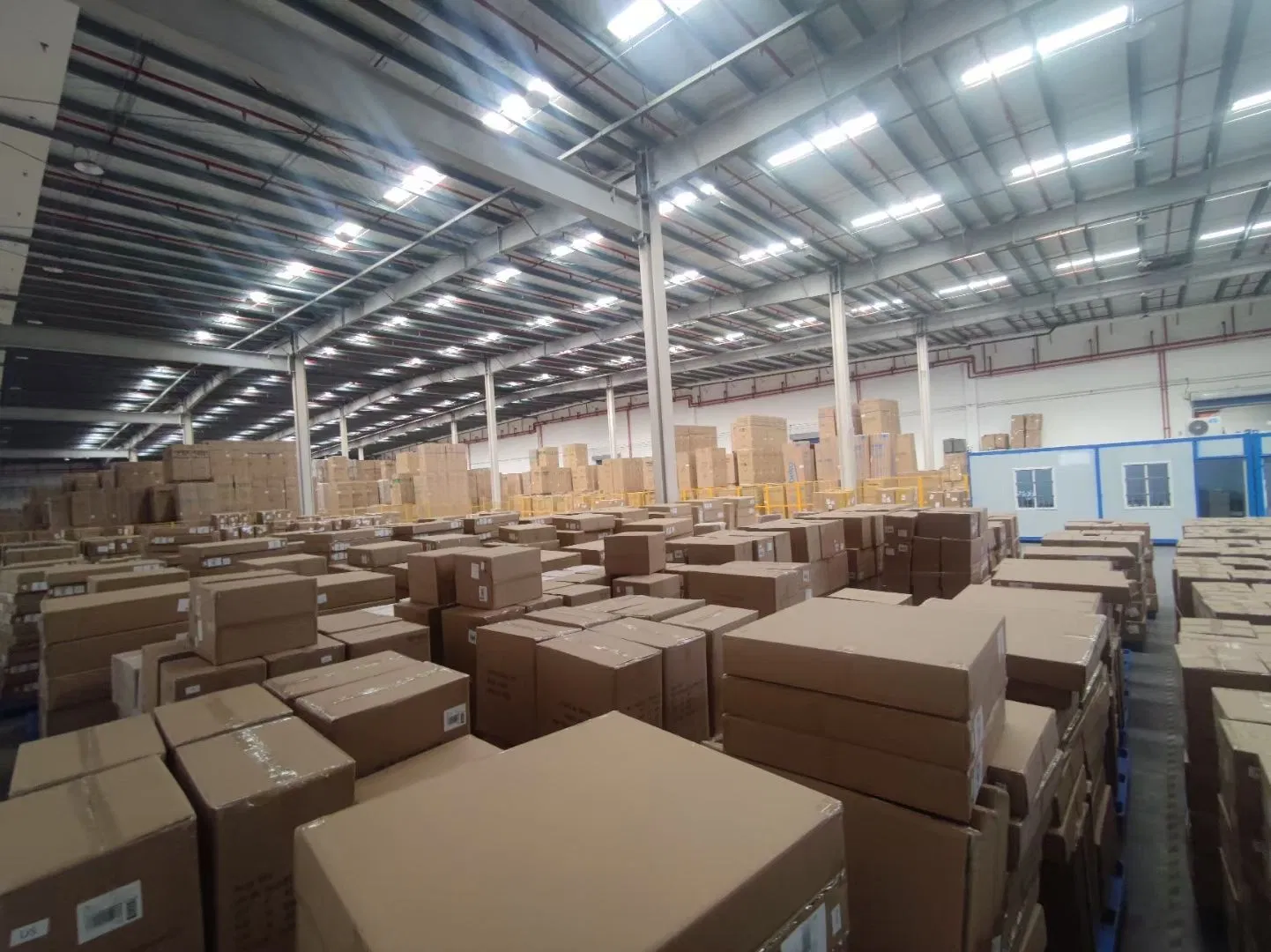
Transport Package
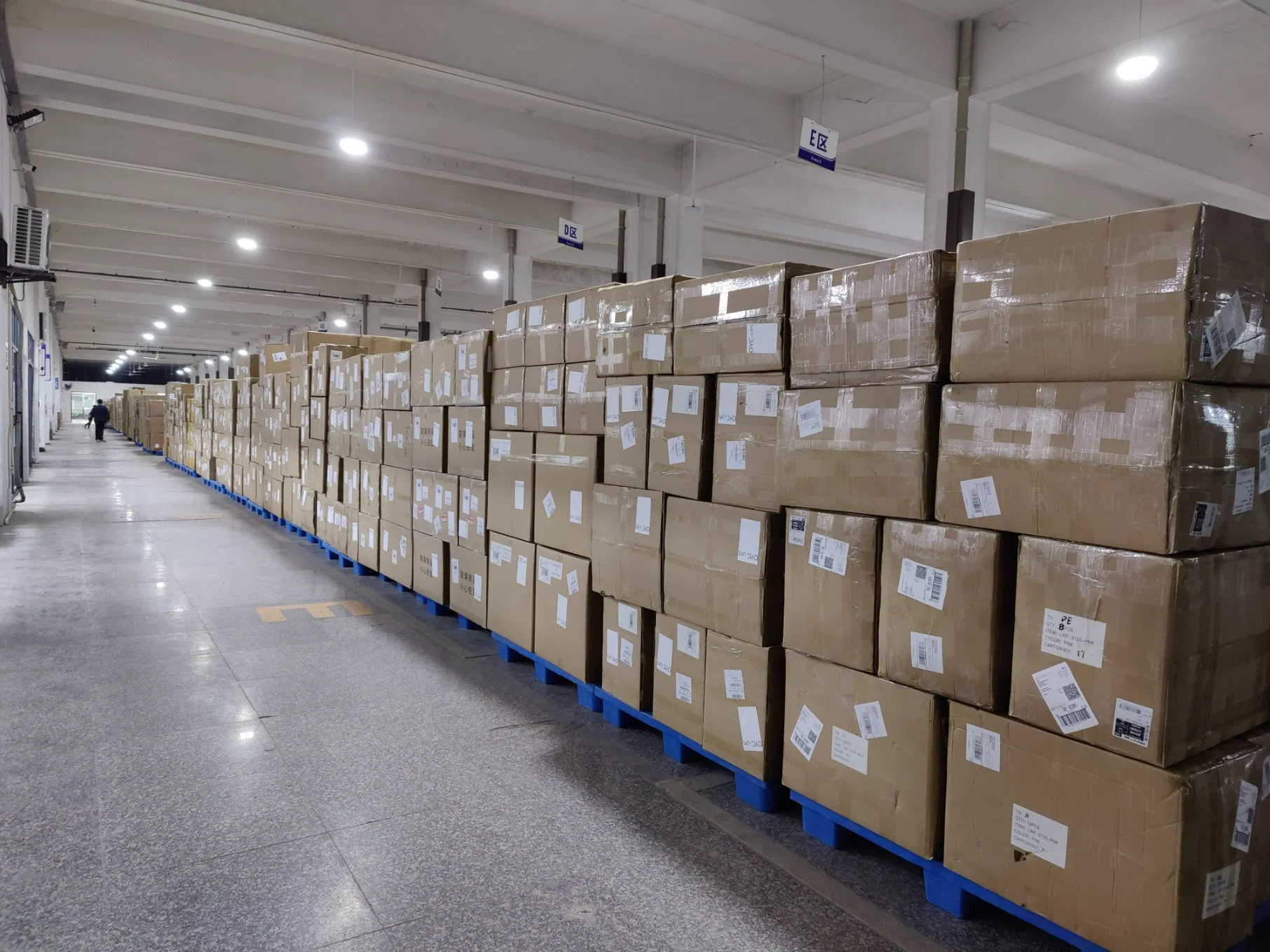
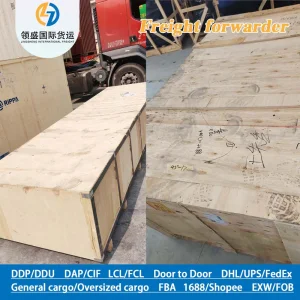
Case/Crate/Wooden Crate etc. Regular
Specification
Various large item sizes
Trademark
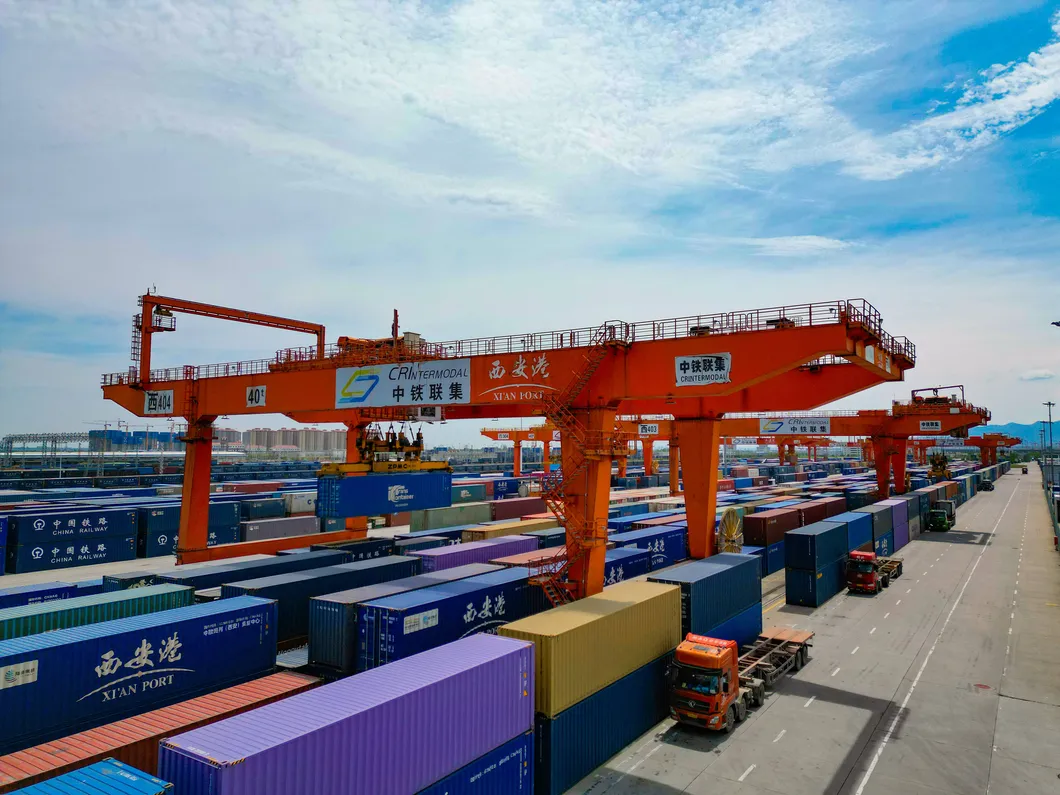
China-Europe Railway Express (CRE)
Production Capacity
50000PCS/Week
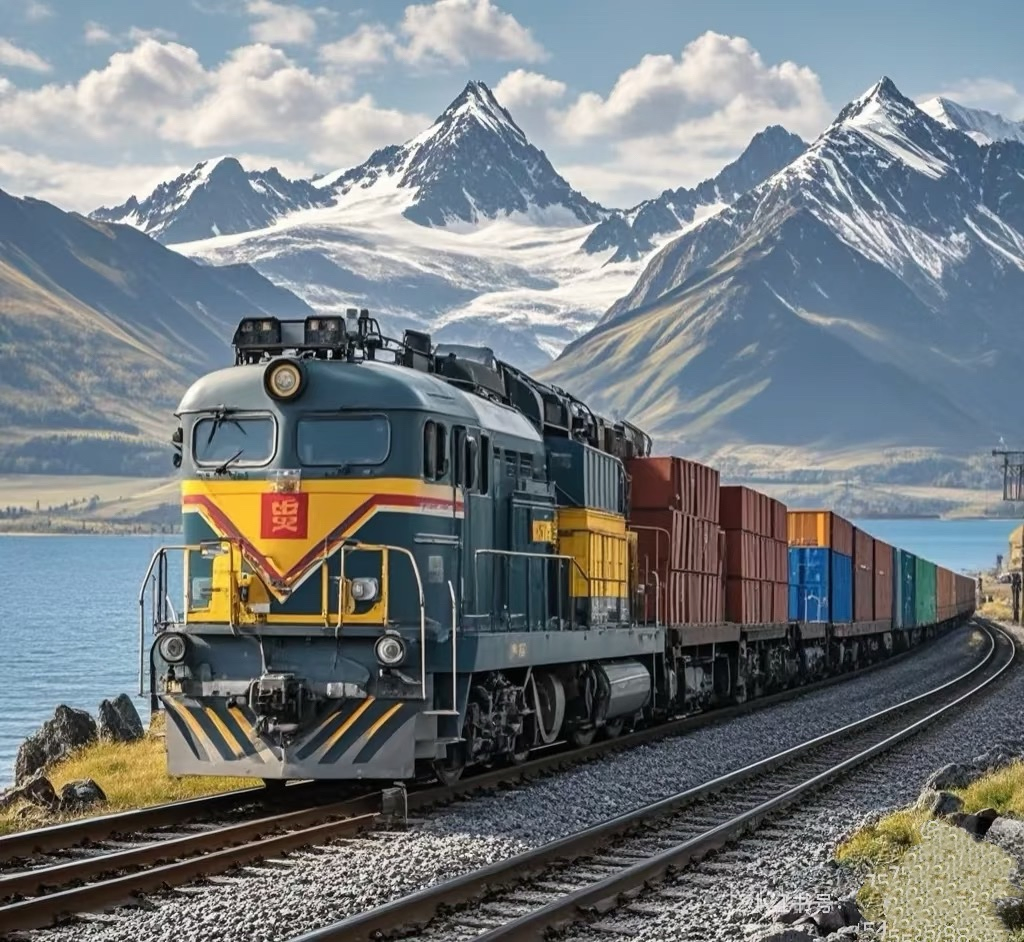
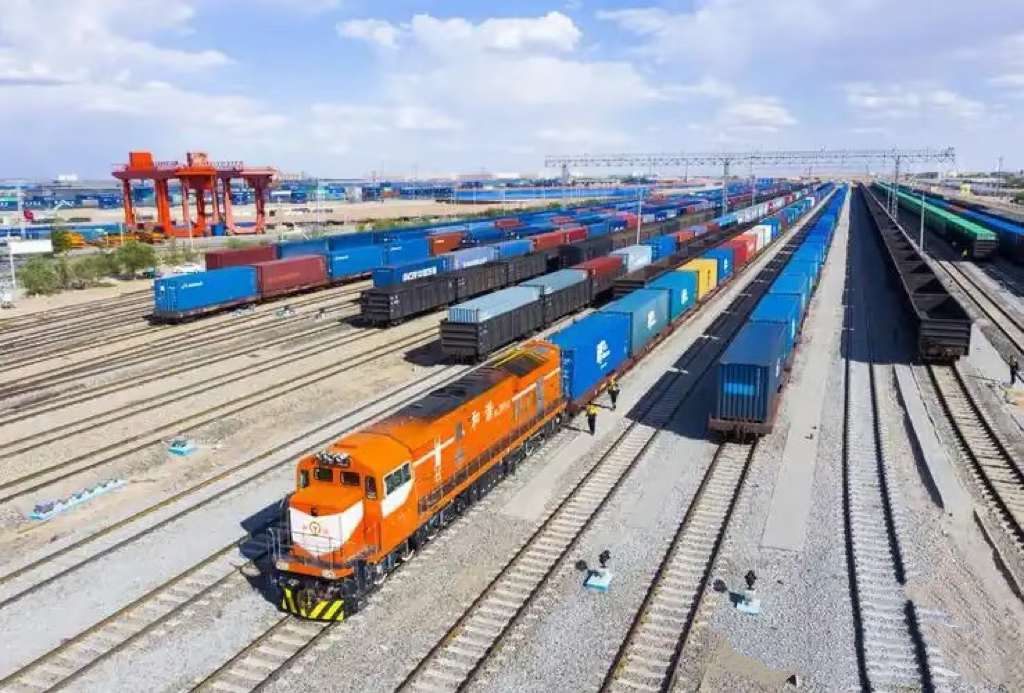
China-Europe Railway Express: A Strategic Lifeline of Eurasian Connectivity
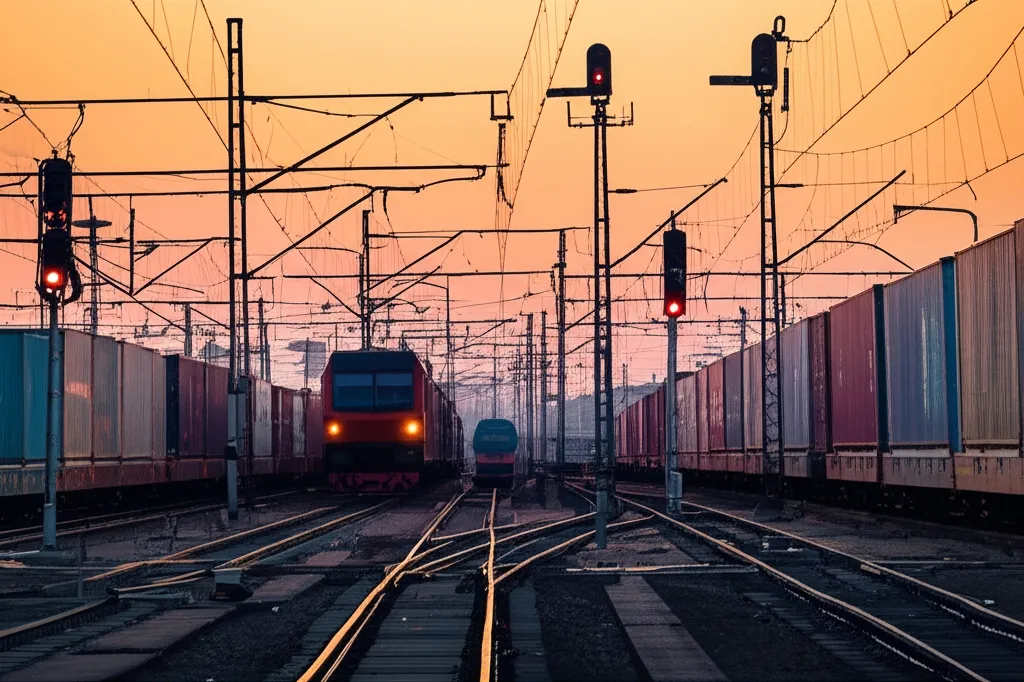
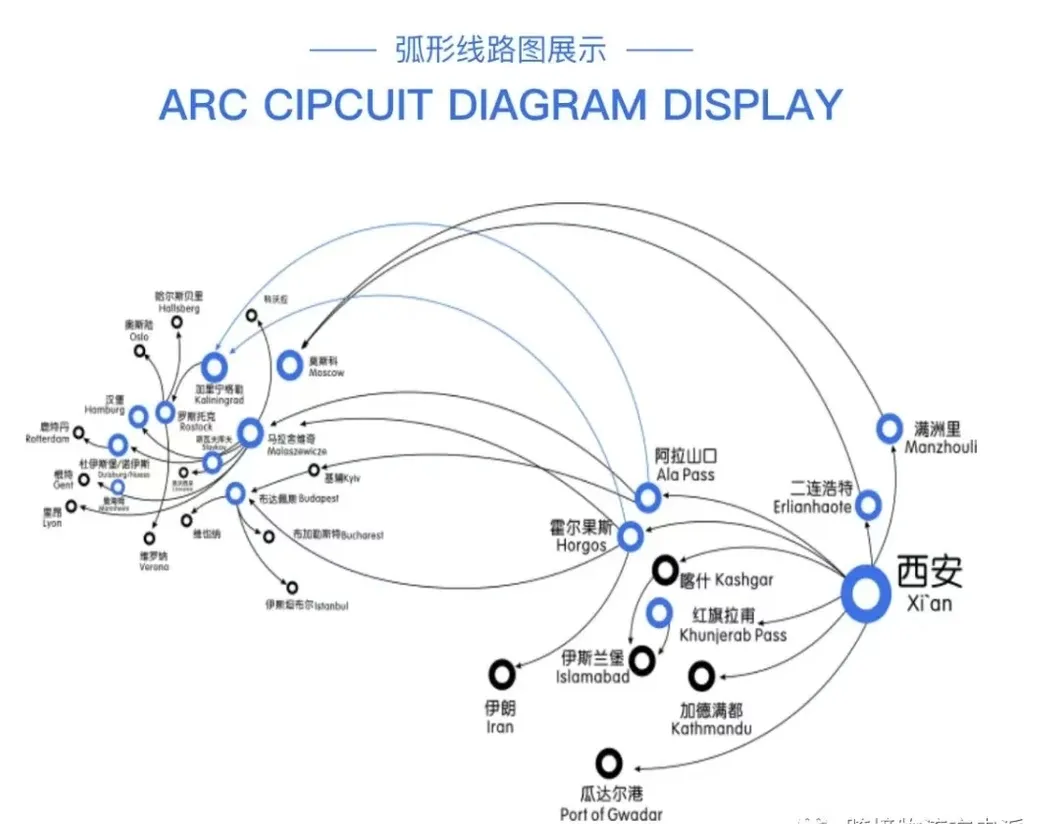
The China-Europe Railway Express (CRE, also known as CR Express), launched in March 2011 with the inaugural journey from Chongqing to Duisburg, Germany, has evolved into a cornerstone of transcontinental logistics under China's Belt and Road Initiative (BRI). Operated by the China State Railway Group, this rail network bridges Asia and Europe through three strategic corridors, revolutionizing international freight transport with its unparalleled efficiency and sustainability.
Economic & Geopolitical Impact
CRE facilitates China-EU bilateral trade, supporting vital industries from electronics to agriculture. During potential disruptions in maritime routes, this rail network serves as a critical alternative, absorbing up to 30% of rerouted containers to stabilize manufacturing operations. Strategic hubs like Xi'an and Leipzig have been revitalized, enhancing global inland port status.
Strategic Significance
CRE embodies "hard connectivity", fostering deeper Eurasian integration. Future plans include expanding to 150+ destinations by 2030, introducing innovations like block trains and rail-air intermodal solutions. This artery challenges traditional maritime monopolies and revolutionizes global logistics.
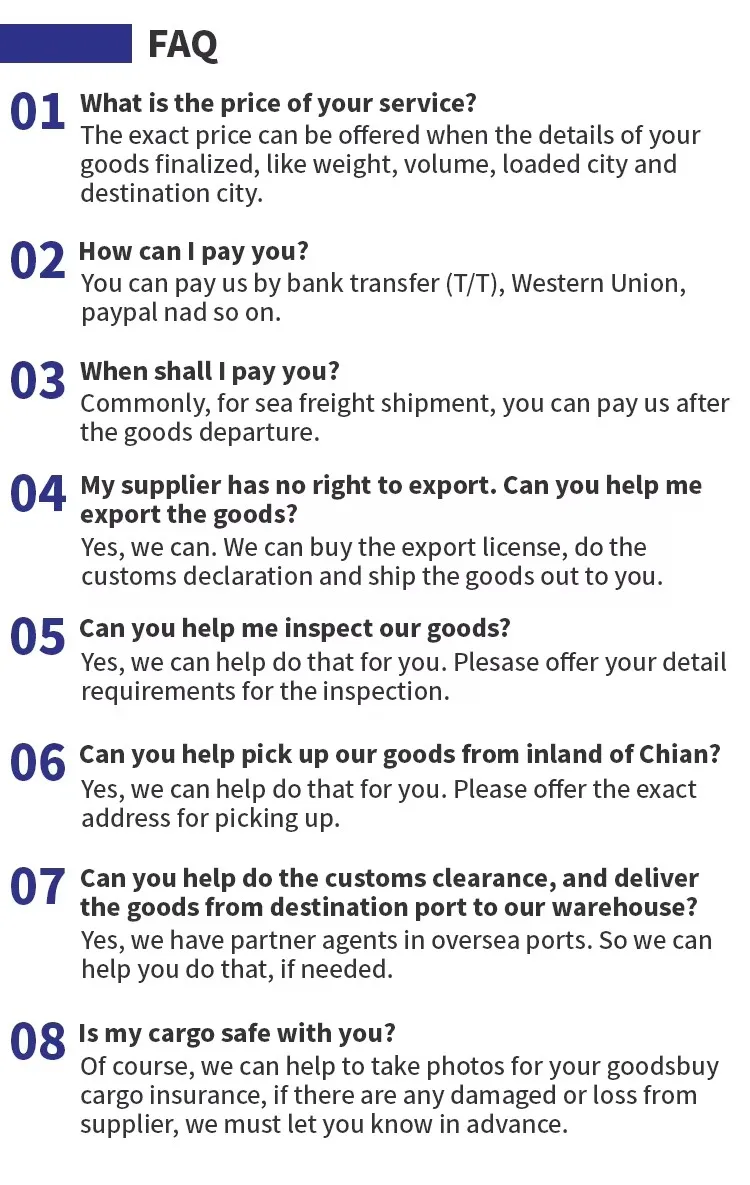
Frequently Asked Questions (FAQ)
What are the main corridors of the China-Europe Railway Express?
There are three main corridors: the Western Corridor (via Alashankou/Horgos), the Central Corridor (via Erenhot), and the Eastern Corridor (via Manzhouli/Suifenhe).
How long does the transportation take?
Standard transit times range from 10 to 18 days depending on the corridor, which is significantly faster than the 30-45 days required for sea freight.
Is rail transport more cost-effective than air freight?
Yes, transportation via CRE is approximately 60%-70% lower in cost compared to air freight, while being only 1/5 of the total expense.
What types of products are suitable for CRE?
It is ideal for high-value or time-sensitive goods, including new energy vehicles, photovoltaic modules, electronics, automotive parts, and perishable items.
How does CRE contribute to environmental goals?
CRE is a green logistics choice, achieving a 70% reduction in CO2 emissions compared to air freight, aligning with global carbon neutrality objectives.
What is the future expansion plan for the network?
By 2030, the network is planned to reach over 150 destinations, incorporating advanced solutions like rail-air intermodal transport and dedicated block trains.
 StudioWare Logistics