Optimized less-than-container-load (LCL) routes designed for high-density trade corridors via key South & Central Asian transit gateways.
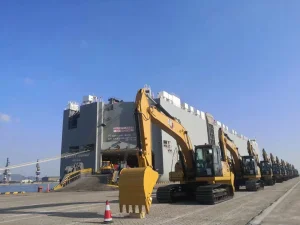
As a geostrategically positioned nation at the crossroads of Central Asia, South Asia, and the Middle East, the Islamic Republic of Afghanistan operates under unique supply chain constraints. Being entirely landlocked, its global import and export systems rely heavily on maritime gateways located in neighboring countries, predominantly Pakistan (via Karachi Port) and Iran (via Bandar Abbas and Chabahar Port). Over the past decade, economic rebuilding, infrastructure development, and localized consumer demands have shifted the import dynamics, positioning the People's Republic of China as one of Afghanistan's principal trading partners.
For Afghan enterprises, large-scale industrial projects, and merchant traders, sourcing commodities from China represents a reliable method to secure consumer products, mechanical systems, textiles, solar energy gear, and construction materials. However, transporting cargo from inland Chinese manufacturing zones like Yiwu, Shenzhen, Guangzhou, and Ningbo to destination cities such as Kabul, Herat, Kandahar, and Mazar-i-Sharif requires navigating a highly complex chain of customs protocols, bonded transit treaties, and rugged overland logistics corridors. This is where specialized Ocean Freight Consolidation Services become a critical supply chain tool.
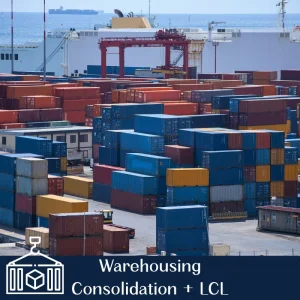
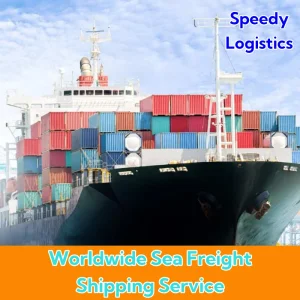
Many Afghan importers and Chinese exporters operate on tight inventory cycles and capital limits. Shipping full containers (FCL) might lead to excess stock holding, cash flow blockages, and high destination storage costs. Ocean Freight Consolidation, or LCL shipping, solves this problem. It allows multiple exporters to share the space of a single ocean container (FCL). Cargo is collected at Chinese logistics hubs, packed into one container, and shipped to a maritime gateway (e.g., Karachi), where it is transitioned into transit trucks for overland delivery to Afghanistan under bonded customs security.
Because direct maritime access does not exist, ocean cargo must land at external ports. Our services manage transit routes across the primary corridors:
The historical and most active route for Afghan import logistics runs through Pakistan under the APTTA (Afghanistan-Pakistan Transit Trade Agreement). Ocean containers from Ningbo, Shanghai, or Shenzhen dock at Karachi Port (KICT, QICT, or PIBT). From Karachi, the consolidated container is bonded and transferred via Pakistan customs onto dedicated, sealed transit trucks. The route splits into two primary inland passages:
As a vital alternative route designed to bypass geopolitical blockages, the Iranian transit pathway offers high reliability. Shipments are dispatched from China ports to Bandar Abbas (Shahid Rajaee Port). The cargo is cleared under transit terms (T1) and driven overland through eastern Iran to the Islam Qala border (entering Herat province) or the Zaranj border (entering Nimruz province). This route is particularly favored for cargo bound for Herat and western Afghanistan.
Shenzhen StudioWare Logistics Co., Ltd. stands at the forefront of this corridor, providing end-to-end multimodal transport expertise. As an elite international logistics and supply chain services provider, StudioWare integrates robust China-side warehousing with dedicated destination-side transit handlers.
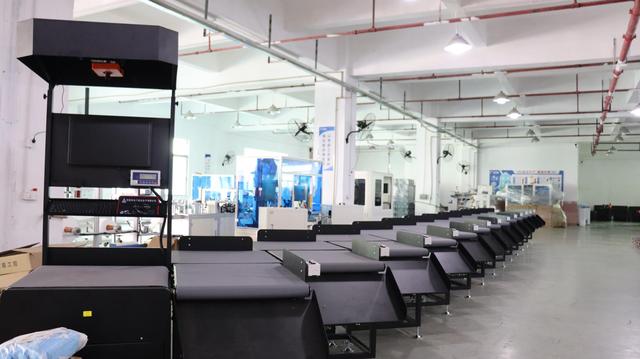
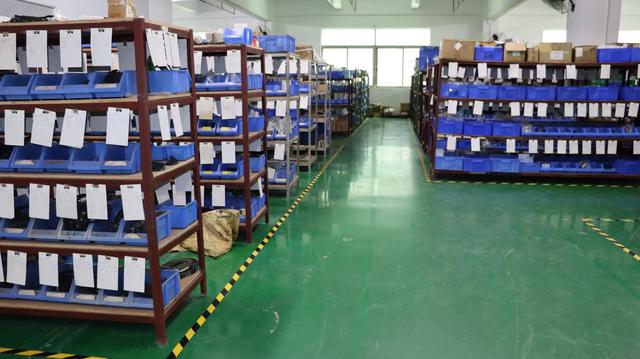
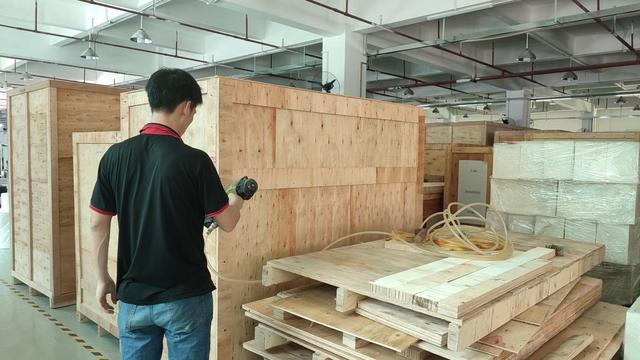
Operating a network of secure warehouses in Shenzhen, Yiwu, Guangzhou, and Ningbo, we receive, inspect, pack, and consolidate cargo from hundreds of Chinese suppliers. Our tracking systems provide visibility at every critical transit point, from initial departure in China, through ocean transit, transshipment customs at intermediate ports, and last-mile border deliveries into Afghanistan.
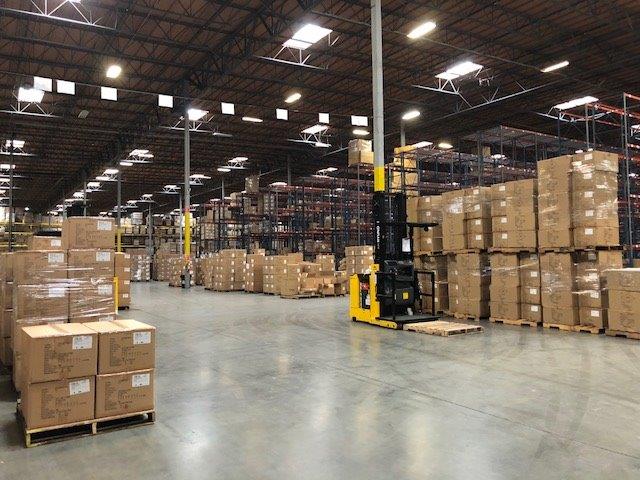

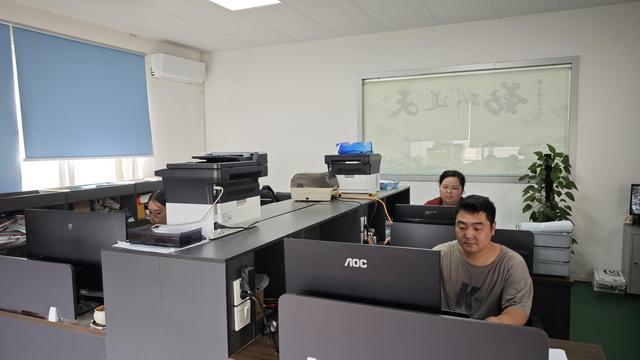
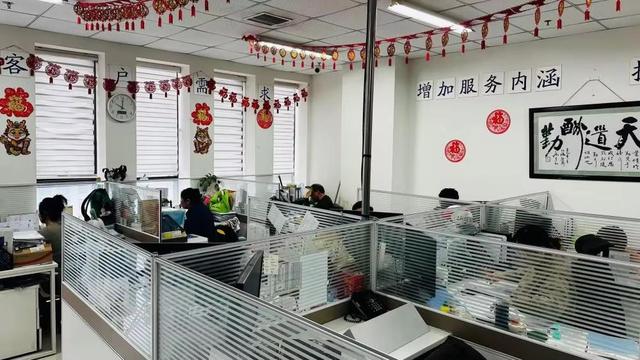

Working with experienced Chinese manufacturers who understand export compliance is essential. Factories based in manufacturing epicenters (e.g., Zhejiang, Guangdong, Jiangsu) are adept at producing goods that meet the cost-conscious yet durability-focused demands of the Afghan market. When combined with StudioWare's consolidated logistics pipelines, exporters benefit from:
A deep dive into our structural advantages and operational strengths in Central Asian freight routing.
Strategically positioned facilities across China and at key maritime transit ports to ensure secure, duty-free consolidation and cargo storage before transshipment.
We take care of complex multi-border compliance, transit manifest filings, and customs clearing under strict international transit regulations.
Seamless shifts from maritime shipping to heavy-duty mountain trucking, reducing transit timelines and preventing product wear.
Explore our full suite of logistics solutions tailored for different regions, industries, and cargo profiles trading with Afghanistan.


Clear answers to complex questions regarding transit trade, border custom regulations, and cargo consolidation into Afghanistan.
Contact StudioWare’s experienced logistics team today to design an optimized, cost-efficient, and secure ocean freight consolidation route from China to your Afghan destination.
 StudioWare Logistics