Explore our leading transcontinental shipping capabilities, specialized container services, and smart sorting machinery.
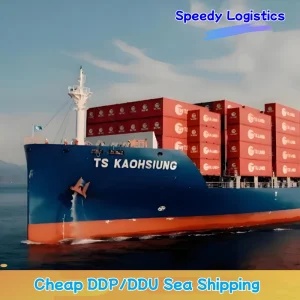
In an era defined by hyper-globalization and volatile trade environments, transcontinental shipping services act as the vascular system of global commerce. These services bridge manufacturing hubs across continents, facilitating the movement of raw materials, industrial equipment, and finished consumer goods. Ocean freight lanes across the Pacific and Atlantic, paired with rapidly growing Eurasian land bridges, represent the foundational channels for global trade.
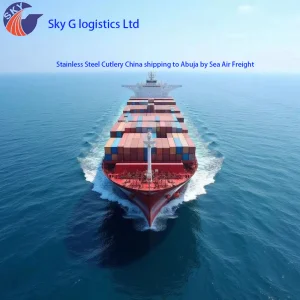
Current commercial and industrial realities require transcontinental networks to move beyond simple port-to-port transportation. Today's supply chains demand fully integrated intermodal networks—combining ocean, air, rail, and road transit. This integration is vital to bypass geopolitical disruptions, port congestion, and fluctuating fuel costs. Major shipping routes, such as transpacific crossings from Shenzhen (Shekou) to North American ports, or transatlantic routes connecting Europe to South America (e.g., Santos, Brazil), form the spine of global retail, automotive, and technology distribution.
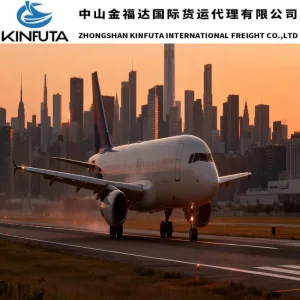
Global sea and air freight routes connecting manufacturing bases in China directly to key trade gateways across Europe, Middle East, and the Americas.
Real-time vessel tracking, automated ETA predictions, and continuous sensor monitoring for high-value cargo over long-distance lanes.
Advanced compliance screening, automated tariff classification, and end-to-end local customs brokerage at destination ports like Santos or Abuja.
Shenzhen StudioWare Logistics Co., Ltd. is a professional international logistics and supply chain service provider specializing in cross-border logistics, express delivery services, air freight, sea freight, and global supply chain solutions. The company is committed to offering efficient, reliable, and cost-effective transportation services for global trade between China and international markets.
With a strong global logistics network, StudioWare Logistics provides end-to-end shipping solutions including pickup, warehousing, customs clearance, freight forwarding, and last-mile delivery. Its services cover a wide range of international routes, supporting e-commerce businesses, manufacturers, and trading companies with stable and scalable logistics operations.
By integrating modern logistics management systems with real-time tracking technology, we ensure complete transparency, shipment visibility, and high on-time delivery performance. Optimizing transport routes across maritime alliances, air charters, and China-to-Europe trucking lanes helps our clients manage freight spend while minimizing lead times.
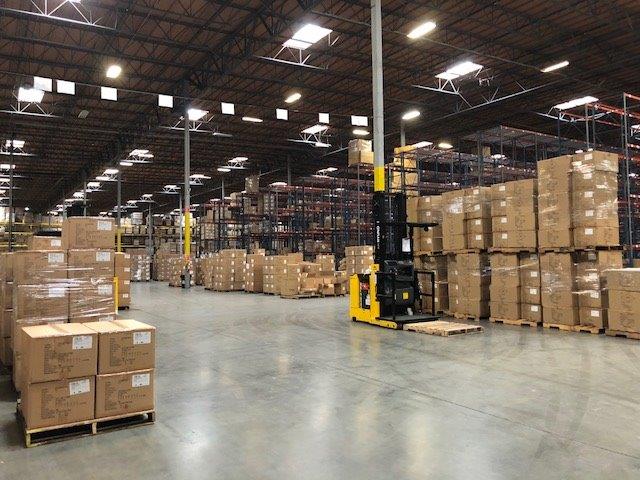
Our customized supply chain solutions are tailored to specific industry demands. This includes handling time-sensitive consumer electronics, bulky machinery components, heavy steel structures, and complex cross-border e-commerce consolidated shipments. Driven by digitization and innovation, we connect China's manufacturing core to major global markets in Europe, North America, Latin America, the Middle East, and West Africa.

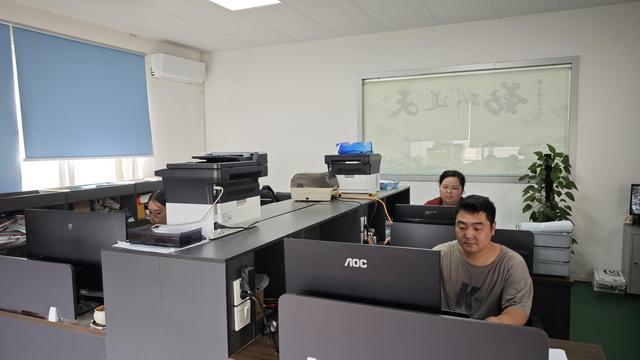
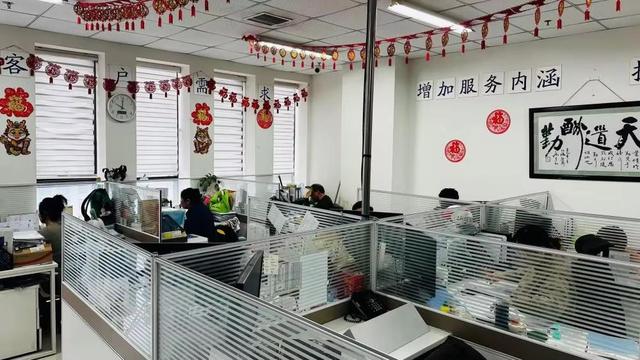
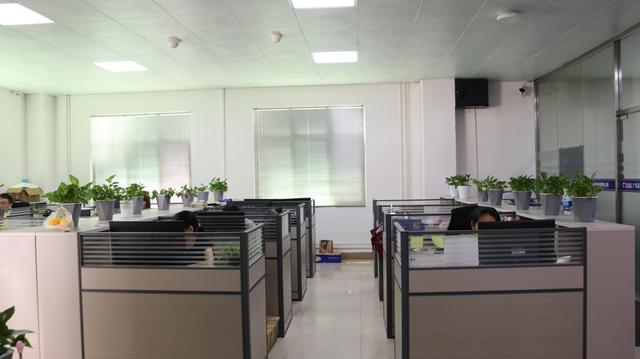
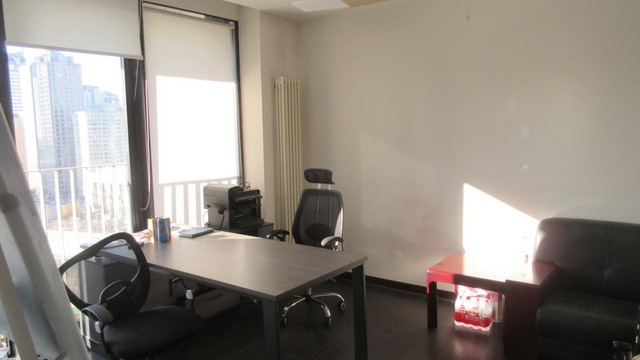
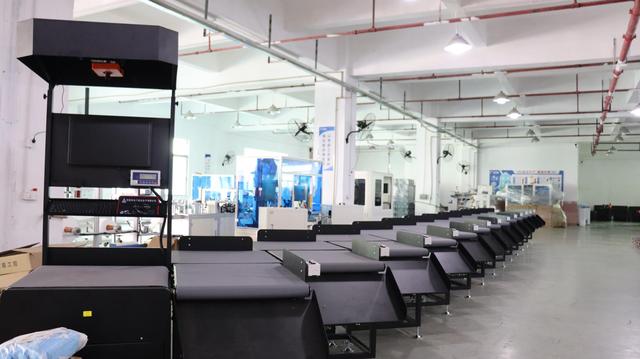
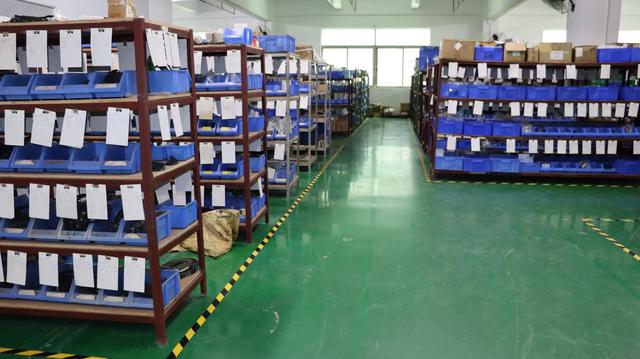
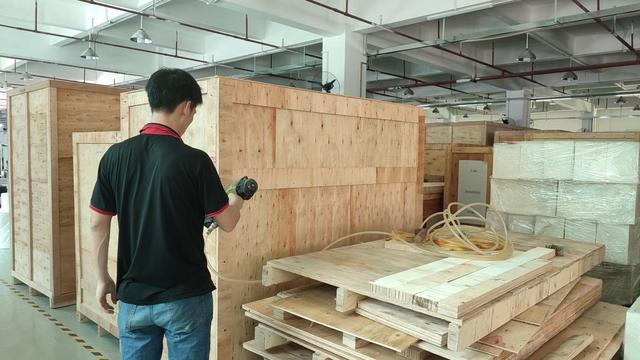
China continues to serve as a critical anchor in global manufacturing, driven not only by scale but also by its advanced integration of factory production and outward logistics. This synergy between manufacturing zones and supply chain networks creates a distinct efficiency advantage for international buyers.
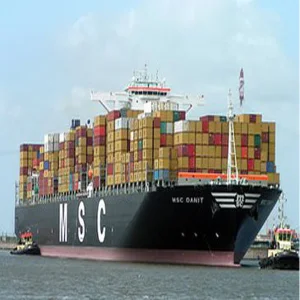
Deep-water ports like Shanghai, Ningbo-Zhoushan, and Shenzhen (Shekou) are equipped with automated terminal operating systems. These technologies allow mega-containerships to load and unload cargo rapidly, minimizing port stay times. These coastal gateways link directly with manufacturing zones, enabling cargo to move from factory floor to vessel container in less than 24 hours.
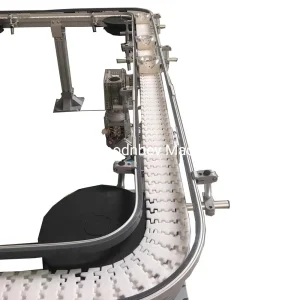
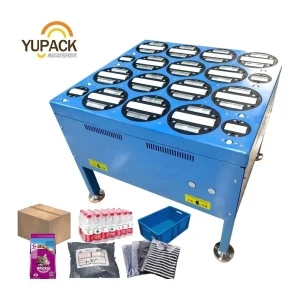
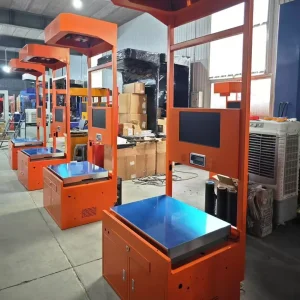
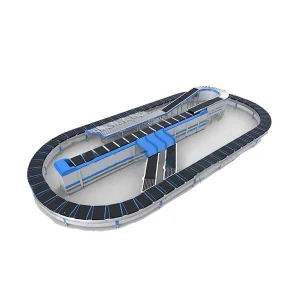
Modern Chinese logistics hubs use automated pivot sorters, high-speed modular chain conveyors, and automated dynamic scanner systems (DWS). These technologies streamline warehouse sorting, verify dimensional weights, and optimize package consolidation. This level of automation reduces handling times, prevents cargo damage, and helps ensure accurate billing for air and ocean parcel shipments.
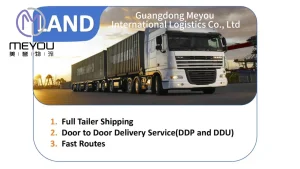
The China-Europe road and rail corridor provides a reliable alternative to traditional ocean and air freight. For time-sensitive industrial goods, overland truck transportation from Chinese hubs through Central Asia to Western Europe cuts transit times in half compared to ocean transport, while remaining more cost-effective than air freight.
How global enterprises utilize transcontinental routes, custom clearance solutions, and material-handling automation.
Utilizing high-speed Air Courier Shipping Consolidation from China straight to regional hubs in North America and Western Europe. Dynamic DWS scanners and sorting conveyor systems process thousands of direct-to-consumer parcels, ensuring quick delivery times and accurate tracking.
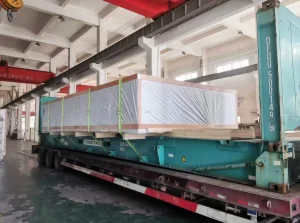
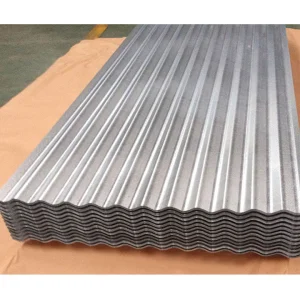
Shipping bulk building materials like zinc-coated corrugated steel roofing sheets. These heavy, volume-sensitive materials require flat-rack or open-top container solutions, and benefit from experienced customs clearance handling at complex destination ports such as Santos, Brazil.
Ocean freight routes from Shekou to Manzanillo, Mexico, designed for FMCG goods. The use of specialized flat-rack containers combined with local port customs clearance mitigates administrative delays, helping retail brands keep their store shelves stocked.
Global procurement has shifted from a strict low-cost focus to an emphasis on supply chain resilience and visibility. Today's procurement managers require logistics partners that can offer flexibility, transparent tracking, and reliable customs compliance.
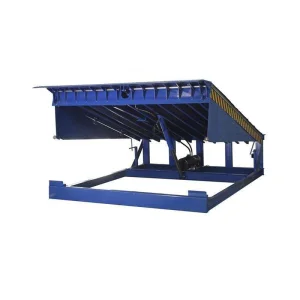
Automation and sustainability are defining the next generation of logistics. Warehouses are increasingly adopting automated loading dock systems and automated linear sorters to reduce manual labor requirements and speed up processing. At the same time, logistics providers are optimizing routes and improving container packing efficiency to help shippers lower their carbon footprint.
Expert insights on international transport transit times, customs procedures, and automation integrations.
Explore our industrial warehouse machinery, bulk building materials, and automated sortation technologies.
 StudioWare Logistics