An industrial-grade breakdown of modern logistics frameworks, hardware integrations, and compliant cross-border cargo systems.
As a premier international logistics and supply chain service provider, Shenzhen StudioWare Logistics Co., Ltd. is a professional entity specializing in cross-border logistics, express delivery services, air freight, sea freight, and global supply chain solutions. The company is strategically positioned to offer highly efficient, secure, and custom-tailored transport services bridging Chinese manufacturing hubs with crucial global destinations.
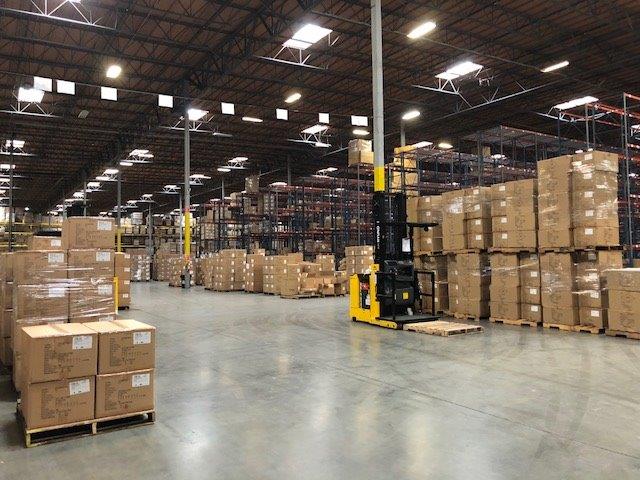
By leveraging a state-of-the-art global logistics network, StudioWare Logistics provides seamless, end-to-end shipping solutions. From physical cargo pickup and high-capacity warehousing to intricate customs clearance, freight forwarding, and local last-mile deliveries, we support major e-commerce enterprises, heavy industrial manufacturers, and global trading companies with stable and modular operations.
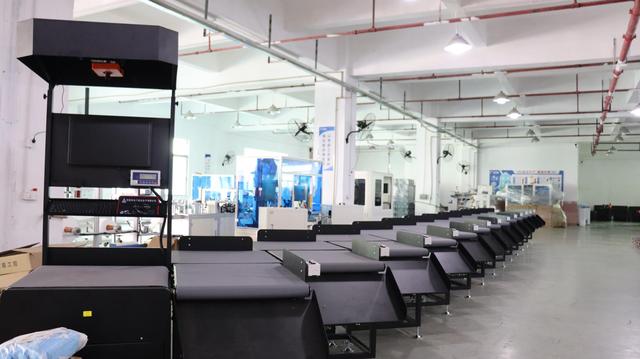
We integrate modern logistics management software with physical automated machinery (such as DWS scanning and sorting systems) and real-time GPS asset trackers to maintain absolute visibility throughout the shipment lifecycle. By implementing dynamic route planning and multi-modal transport combinations, we optimize client shipping expenses while ensuring strict SLA compliance.
How Fortune 500 manufacturers and growing enterprises optimize risk, lead time, and cargo security across borders.
Modern enterprises prioritize supply chain resilience over pure cost minimization. A diversified sourcing architecture—incorporating multi-modal transport lanes, flexible breakbulk alternatives (such as BBK split-lifting services), and regional warehouse hubs—shields global operations from regional delays, geopolitical developments, and natural challenges.
Managing global inventories requires real-time telemetry. Incorporating robust GPS and LTE trackers (such as 4G smart locating systems and pet/asset trackers) directly into the freight package allows supply chain directors to verify transit speeds, temperature integrity, geo-fenced perimeters, and humidity levels across land and sea routes.
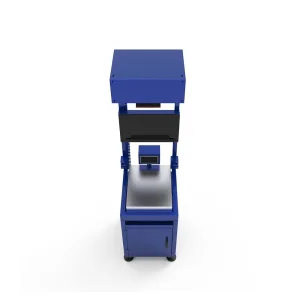
Manual sizing and weight measurements lead to billing inaccuracies and transit bottlenecks. Global procurement teams select logistics facilities that use automated Dimensioning, Weighing, and Scanning (DWS) hardware. These systems scan and register package profiles within milliseconds, streamlining carrier routing and container optimization.
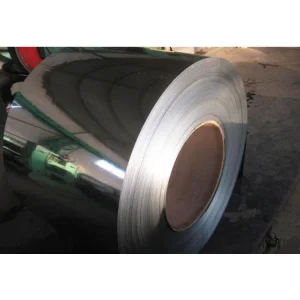
China retains its status as the world's premier manufacturing ecosystem due to its unparalleled industrial concentration, vertical integration, and infrastructure scale. From highly specialized metals like hot-dipped galvanized steel GI coils to advanced green energy platforms like the Zeekr X EV SUV, the Chinese supply chain provides rapid scalability and component availability.
This concentrated ecosystem significantly shortens R&D iterations, raw material assembly, and bulk logistics staging. When backed by regional hubs like Shenzhen and Qingdao, manufacturers can directly ship raw inputs, finished consumer goods, and industrial equipment from domestic facilities directly to international distribution centers.
Navigating complex international regulatory frameworks, customs guidelines, and cross-border duties.
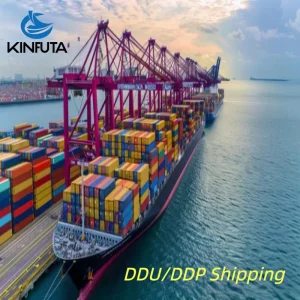
Navigating different tariff structures requires flexible trade terms. Using DDP (Delivered Duty Paid) shipping lanes ensures the shipper assumes all import clearances, taxes, and duties. This approach minimizes administrative tasks for recipient distributors in destinations like Germany, Canada, the US, and the Middle East, while FOB arrangements allow experienced purchasing groups to manage their own freight logistics.
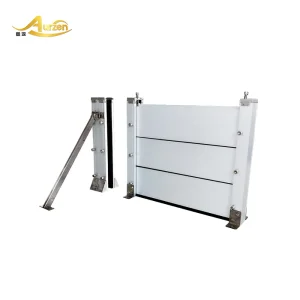
Global shipping routes face changing weather conditions and environmental hazards. In transit and at distribution warehouses, keeping cargo dry and secure requires heavy barrier equipment, impact-resistant flood gates, and specialized industrial containers. These tools protect physical capital from storm surges and unexpected water damage during transit and storage.
Entering international markets requires adhering to strict regulatory protocols. From complying with EU customs standards and US security filings (ISF 10+2) to obtaining SASO certifications in the Middle East, using professional agents ensures cargo documentation is accurate, preventing costly border delays or product rejections.
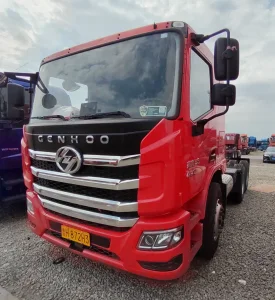
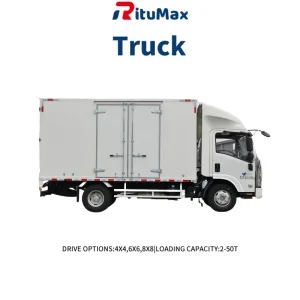
Port clearance is only part of the journey. Achieving reliable logistics relies on local last-mile capabilities. Working with dedicated logistics networks helps clear cargo through ports like Aarhus, Hamburg, or Aqaba, and transfers it to local rail, commercial trucks, or electric delivery tricycles to ensure timely, cost-effective final delivery.
How advanced artificial intelligence, automated measuring hardware, and green vehicles are shaping global trade.
Next-gen supply chains rely on smart, connected tracking devices. Integrating low-power 4G LTE location systems directly into inventory containers provides managers with real-time updates on location, shock impacts, and environmental conditions worldwide.
Automating warehouse intake via high-performance DWS (Dimension, Weight, Scan) stations cuts sorting errors and labor hours. Capturing dimensional metrics instantly speeds up shipping calculations and container space optimization.
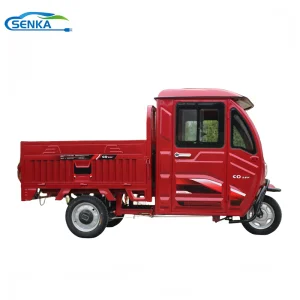
The push for sustainable shipping is driving the adoption of electric vehicles. From urban delivery routes utilizing electric cargo tricycles to long-distance EV transports, modern fleets are reducing their environmental footprint while keeping fuel costs in check.
Examining how different industries manage customs clearance, specialized transport, and final delivery logistics.
Shipping high-value electric vehicles (EVs) like the Zeekr X requires specialized car carriers, roll-on/roll-off (RoRo) ocean shipping, or reinforced container structures. Combined with comprehensive custom clearance protocols, these systems secure transport lanes from assembly lines to international car dealerships.
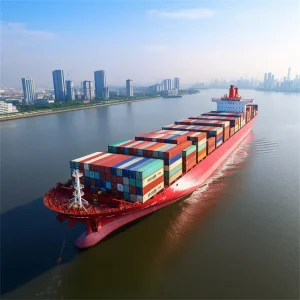
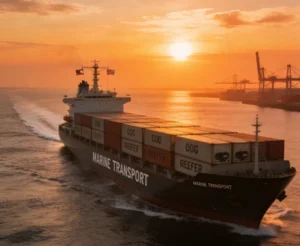
Heavy components and materials, such as galvanized steel coils or industrial sand and gravel, rely on bulk carriers and dedicated breakbulk (BBK) lifting services. Handling these cargo types requires strong port infrastructure and heavy-duty machinery to manage loading and unloading safely and efficiently.
Managing fast-moving consumer goods through platforms like 1688 requires reliable warehouse collection, fast consolidation, and air freight links to global markets. Using DDP shipping models simplifies import customs, letting retailers focus on sales rather than customs paperwork.
For urban deliveries, dense city centers require nimble transportation options. Using clean, electric cargo tricycles allows delivery teams to navigate narrow streets efficiently, offering a quiet, cost-effective, and emissions-free alternative to traditional diesel vans.
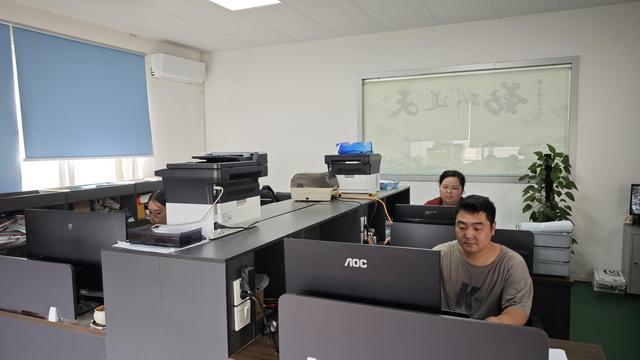
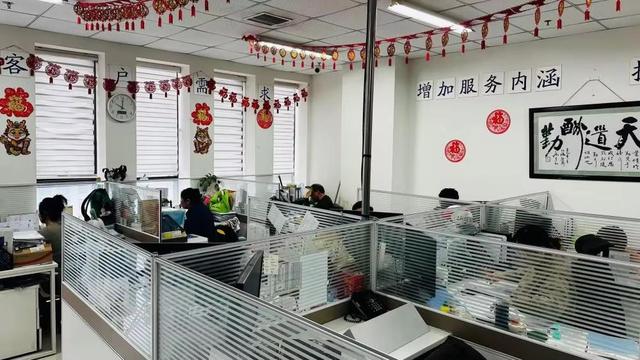
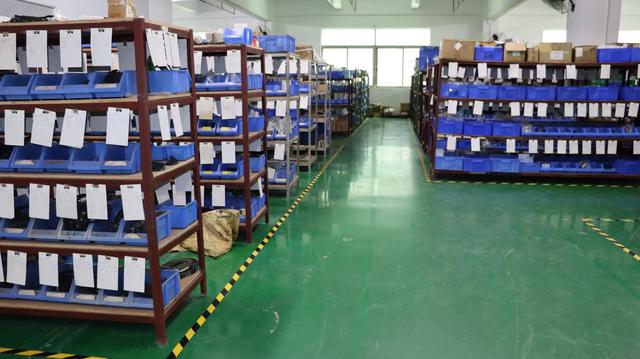
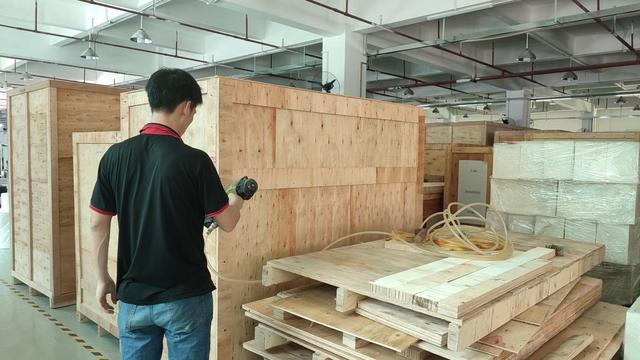
A look inside our modern fulfillment centers, logistics hubs, and global shipping operations.



Detailed technical answers to common questions about global freight, customs management, and smart logistics systems.

 StudioWare Logistics