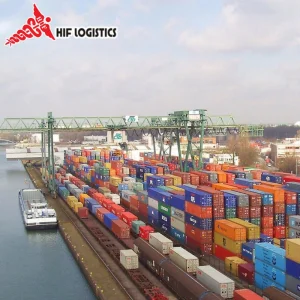
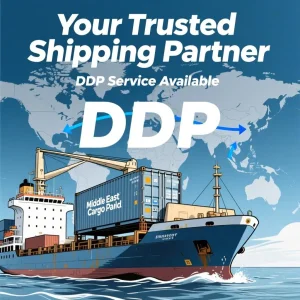
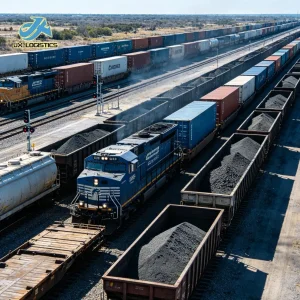
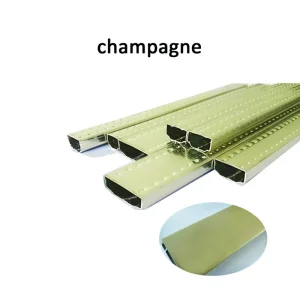
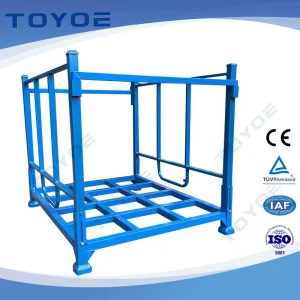
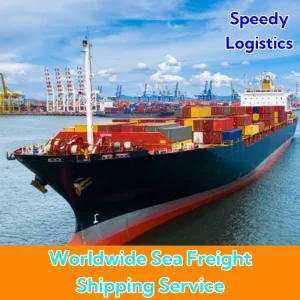
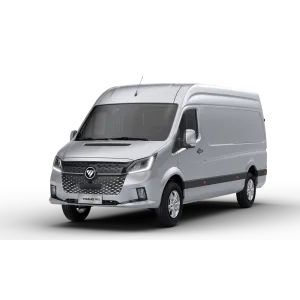
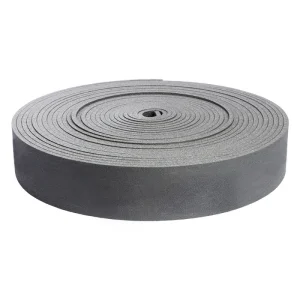
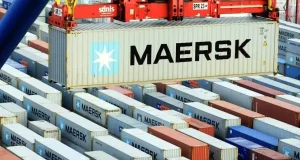
The following eight examples reflect the kind of commercial and industrial demand that defines an on-demand shipping program. They include e-commerce freight, express delivery, temperature-controlled cargo, custom manufactured goods, electric vehicles, fleet charging equipment, batteries for heated clothing, and multimodal rail-road transport. Each product page remains available through its original URL.
Buyers using this query usually have a layered intent. They want a logistics partner that understands regulated products, factory pickup, cross-border documentation, multimodal routing, and local delivery. The phrase can also reflect a common misunderstanding: CE marking applies to products placed on the EU market, not to freight forwarders themselves. A credible provider should separate product conformity from transport execution while coordinating both with evidence and traceability.
The buyer is testing whether the provider can handle product compliance, shipment visibility, landed cost, and delivery promise at the same time. For a factory, this means collection from origin, export handling, and appointment delivery. For an e-commerce seller, it means FBA or DTC delivery with reliable documentation and exception control.
On-demand shipping is not only a fast quote. It is an operating model that links supplier pickup, consolidation, warehousing, customs clearance, freight booking, tracking, delivery appointments, proof of delivery, and after-sales support into one visible workflow. The best programs are designed around demand signals rather than fixed annual volumes.
Shenzhen StudioWare Logistics Co., Ltd. is a professional international logistics and supply chain service provider specializing in cross-border logistics, express delivery services, air freight, sea freight, and global supply chain solutions. The company is committed to offering efficient, reliable, and cost-effective transportation services for global trade between China and international markets.
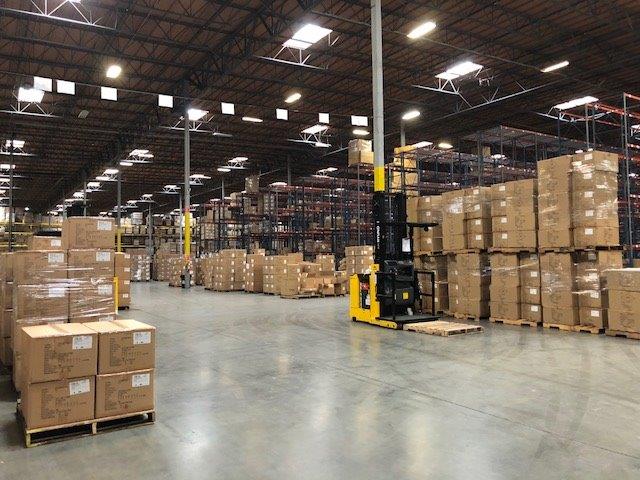
With a strong global logistics network, StudioWare Logistics provides end-to-end shipping solutions including pickup, warehousing, customs clearance, freight forwarding, and last-mile delivery. Its services cover a wide range of international routes, supporting e-commerce businesses, manufacturers, and trading companies with stable and scalable logistics operations.
The company integrates modern logistics management systems with real-time tracking technology to ensure transparency, shipment visibility, and timely delivery performance. By optimizing transportation routes and combining air, sea, and multimodal logistics options, Shenzhen StudioWare Logistics helps clients reduce shipping costs while improving delivery efficiency.
Shenzhen StudioWare Logistics Co., Ltd. also offers customized supply chain solutions tailored to different industries and cargo requirements, including time-sensitive shipments, bulk freight, and cross-border e-commerce logistics.
Driven by globalization and digital logistics innovation, the company aims to become a trusted global logistics partner, connecting China with key international markets such as North America, Europe, Asia-Pacific, and emerging economies through high-quality cross-border transportation services.
The company profile addresses the core entities that sophisticated buyers look for: China-origin logistics, cross-border freight, express delivery, air and sea freight, warehousing, customs clearance, last-mile delivery, real-time tracking, and customized supply chain solutions. For semantic search, these entities reinforce topical authority across “freight forwarder,” “DDP shipping,” “FBA shipping,” “multimodal transport,” and “door-to-door logistics.”






Global trade has shifted from a stable long-cycle model to a volatile, event-driven operating environment. Promotions, product launches, factory relocation, tariff changes, climate disruption, channel expansion, and compliance updates can change shipping demand within days. As a result, on-demand shipping is no longer only a tactical forwarding request; it is an operating capability that connects manufacturing, inventory, compliance, and customer promise.
E-commerce campaigns, marketplace restocking, new product launches, and B2B project deadlines create sudden volume spikes. An on-demand program should flex across air express, sea consolidation, rail-road, and local courier options without losing shipment visibility.
CE-marked electronics, machinery, toys, construction materials, batteries, and high-value consumer goods require structured document control. The logistics workflow should capture declarations, test reports, labels, and customs data before the cargo reaches the border.
Sea freight is cost-efficient but slower; air freight is faster but more expensive; rail-road can balance speed and cost for inland destinations. A strong partner explains trade-offs clearly instead of forcing every shipment into one mode.
Fresh goods and temperature-sensitive cargo depend on pre-cooling, packaging, modal choice, transit time, customs speed, and destination handling. Middle East perishable routes require particular attention to heat exposure and clearance timing.
Factory expansion joints, insulating-glass strips, storage racks, chargers, vehicles, and machinery require loading plans, packaging checks, lifting points, and delivery appointments. Industrial buyers value predictability as much as freight rates.
Final delivery is where many cross-border promises fail. Local language, appointment windows, proof of delivery, residential versus commercial access, returns, and after-sales handoffs must be designed into the original shipping plan.
From a macro perspective, buyers are not choosing between “cheap” and “fast” in isolation. They are balancing landed cost, inventory risk, compliance risk, customer promise, carbon reporting, and supplier reliability. In North America, FBA and DTC brands need appointment scheduling, marketplace reference data, and stable tracking. In Europe and the UK, CE/UKCA, VAT/IOSS, EPR, packaging, and product-safety documentation influence which shipping model is viable. In the Middle East, temperature control and destination clearance affect perishable quality. In Southeast Asia, DDP and multimodal road-rail options reduce friction for e-commerce and industrial goods. In South Asia and the Caucasus, door-to-door freight requires corridor planning and local agent coordination.
CE marking is a product conformity mark for specified products placed on the EU market. It is not a certification issued to a freight forwarder. For a shipping program to be described accurately as CE-supporting or CE-ready, it must preserve the manufacturer’s declaration, technical-file references, test reports, labeling, packaging, and customs documentation. The provider should also recognize when cargo needs additional controls, such as lithium batteries, electric vehicles, chargers, temperature-sensitive goods, construction materials, children’s products, watches, and industrial racks.
Collect the CE Declaration of Conformity, test reports, label artwork, model references, technical-file contacts, and packaging information. These documents should align with the commercial invoice and product description.
Heated clothing batteries, EV chargers, electric vehicles, and electronic devices may require UN38.3 test summaries, MSDS, battery statements, and mode-specific acceptance checks. Air and sea carriers apply different rules.
DDP, DDU, VAT, IOSS, duty, importer of record, HS classification, and destination requirements should be written clearly before booking. Ambiguity at this stage is a common source of delivery delay.
For perishables, define temperature range, pre-cooling requirement, packaging, maximum transit time, customs priority, and contingency handling. A sea route should be selected with destination clearance timing in view.
For watches, electronics, EV components, and premium consumer goods, use chain-of-custody records, tamper evidence, insured value verification, and delivery signatures where appropriate.
Expansion joint foam, decorative insulating-glass strips, heavy racks, and construction materials need packaging, loading, and unloading plans that match their dimensions, weight, and site access conditions.
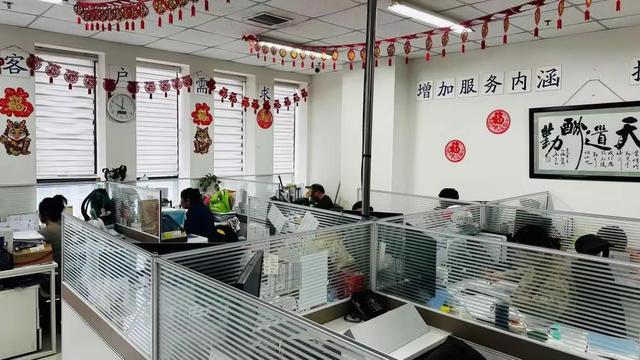
Localized support is not just a translated label. It includes origin pickup, supplier coordination, destination broker integration, local delivery appointments, proof of delivery, exception management, returns, and market-specific documents. For factories, a control tower should connect the factory dispatch plan with booking, container loading, export declaration, destination clearance, and final consignee call.
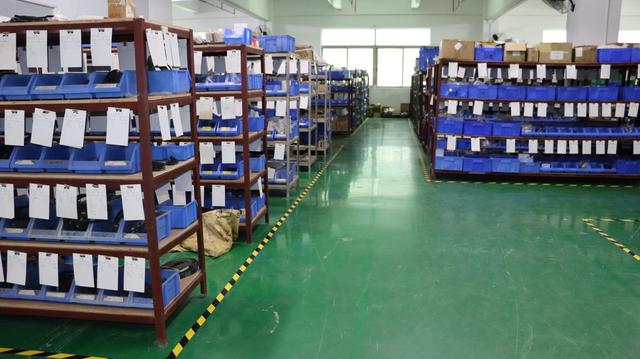
Factory collection, 1688 supplier coordination, consolidation, warehousing, export declaration, and port or airport handling can be managed as one origin workflow.
Define who pays duty, tax, destination charges, and final delivery. Clear DDP or DDU terms help prevent surprise fees and delivery disputes.
Keep invoice, packing list, HS code, certificate or declaration records, importer details, and payment evidence aligned with the shipment and destination rule set.
FBA, retail, warehouse, and project-site deliveries often require booking windows, reference numbers, unloading equipment, and local-language communication.
For e-commerce and consumer products, reverse logistics should be designed before launch, including address handling, inspection, consolidation, and replacement flow.
Port congestion, customs holds, weather, carrier rollovers, and failed deliveries need escalation rules, alternative routing, and proactive customer communication.
The same logistics capability can serve very different industries. The following scenarios show how an on-demand program connects products, trade lanes, compliance requirements, and final delivery experience.
Sea or air door-to-door freight from China to the USA, Canada, UK, Germany, France, Ireland, and Poland, with DDP/DDU options and marketplace delivery coordination.
DHL, FedEx, UPS, and air freight solutions for urgent samples, small parcels, spare parts, and time-sensitive commercial shipments.
Temperature-controlled sea shipping for fresh goods, with attention to packaging, transit time, customs speed, and destination handling.
Factory-to-warehouse or factory-to-retail movement for educational board books, including carton planning, print production readiness, and retail appointment coordination.
Vehicle and charger logistics require battery documentation, loading plans, mode selection, import checks, and installation-site delivery alignment.
High-capacity batteries need product compliance, battery documentation, packaging, and carrier acceptance checks before peak gifting seasons.
Multimodal rail and road combinations can improve cost and speed for inland destinations where direct air freight is too expensive and sea freight is too slow.
Expansion joint foam, insulating-glass strips, heavy storage racks, and construction products require dimensional checks, loading plans, and site delivery coordination.
The next stage of cross-border logistics will be defined by connected data, predictive decision-making, and compliance automation. A practical roadmap should improve visibility first, then orchestration, then prediction, and finally sustainable local execution.
API-based tracking, milestone alerts, document repositories, and a single shipment view across air, sea, rail, road, and last-mile partners.
Integration of order data, warehouse status, supplier readiness, customs milestones, mode selection, and delivery appointments into one operating rhythm.
AI-assisted document pre-checks, HS code support, landed-cost simulation, risk flags, and route recommendations based on service level and compliance profile.
Electric delivery vans, route optimization, consolidated last-mile networks, lower-emission transport options, and transparent carbon reporting.
Ask for examples of document control, carrier coordination, customs support, delivery proof, and exception handling. A provider should be able to explain its process clearly.
Confirm coverage for China-to-North America, Europe, the Middle East, Southeast Asia, South Asia, and the Caucasus, including air, sea, rail, road, express, and DDP/DDU options.
Check how CE declarations, test reports, battery documents, HS codes, invoices, packing lists, and destination requirements are collected and stored.
Compare freight, duty, tax, destination charges, warehousing, appointment fees, returns, and risk. The lowest quote is not always the lowest landed cost.
Ask what happens when a vessel rolls, customs requests more information, a delivery appointment fails, or a carrier misses a handoff.
Verify local-language support, destination agent coordination, final-mile access, proof-of-delivery standards, and after-sales communication.
No. CE marking is a product conformity mark for specified products placed on the EU market. A freight forwarder is not “CE certified” as a transport service. A credible logistics provider can support the movement of CE-marked products and help coordinate documentation, but the manufacturer remains responsible for product conformity.
It means arranging transport and related services when demand occurs, rather than relying only on fixed contracts or annual volumes. It can include factory pickup, consolidation, warehousing, customs clearance, air or sea freight, rail-road transport, last-mile delivery, and proof of delivery.
Yes, the operating model should support DDP and DDU where available, with clear definitions of duty, tax, destination charges, importer of record, and final delivery responsibility. The exact service depends on the destination and cargo profile.
The manufacturer’s CE Declaration of Conformity, test reports, label artwork, model numbers, and technical-file references should be aligned with the commercial invoice and packing list. Shipping documents should be checked before booking, especially for electronics, batteries, vehicles, chargers, children’s products, and industrial goods.
The company profile describes cross-border logistics, express delivery, air freight, sea freight, warehousing, customs clearance, and last-mile delivery. These capabilities can support FBA and 1688-origin workflows where supplier collection, consolidation, documentation, and destination delivery are required.
Temperature-controlled shipping can be evaluated for fresh goods and perishable cargo. The plan should define temperature range, packaging, transit time, customs priority, and destination handling. Middle East routes require particular attention to heat exposure and clearance timing.
These products may require battery documentation, UN38.3 test summaries, MSDS, carrier approval, and mode-specific handling. Air, sea, and road carriers have different acceptance rules, so early document review is important.
Provide product details, HS code if available, cargo dimensions, weight, carton count, pick-up location, destination address, required delivery date, Incoterm, declared value, battery or dangerous-goods status, and any CE or destination compliance documents.
These additional eight product examples show how localized shipping demand connects to construction materials, industrial storage, corridor-specific door-to-door freight, urban electric delivery, expansion-joint manufacturing, DDP services in Southeast Asia, and high-value custom watches.
For manufacturers, factories, e-commerce operators, and industrial buyers, the strongest on-demand shipping solution is one that connects product compliance, multimodal freight, destination support, and final-mile visibility into a single operating model.
 StudioWare Logistics