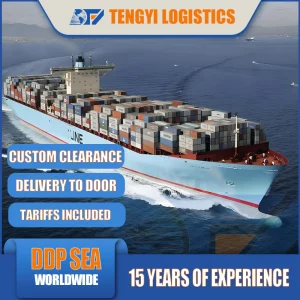
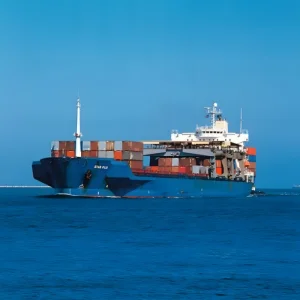
Explore our highly integrated equipment, freight services, and enterprise solutions designed to optimize your cross-border supply chain.
Exporters and manufacturing hubs are constantly operating in a highly volatile supply chain climate. The global shipping market suffers from unpredictable container shortages, labor fluctuations, sudden tariff implementation, and volatile fuel premiums. For factories, managing freight costs is not merely about finding the cheapest rates; it is about establishing a robust strategy that optimizes every single link of the shipment journey.
By implementing strategic measures such as consolidating shipments, negotiating long-term carrier contracts, optimizing packaging layout to prevent dimensional weight surcharges, and adopting end-to-end DDP (Delivered Duty Paid) schemes, global manufacturers can mitigate operational friction while stabilizing their cost structure.
Average Cost Reduction
Clearing Compliance Rate
Real-Time Tracking
Countries Covered
Actionable, data-driven approaches that factories and exporters can implement to lower operational expenses and secure their bottom line.
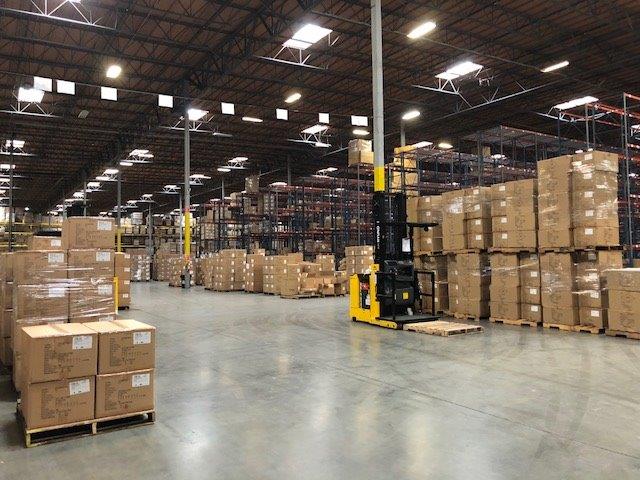
For manufacturers with regular small-batch orders, Less than Container Load (LCL) shipping rapidly inflates unit transportation costs. By leveraging consolidation centers, factories can group cargo destined for the same region into a Full Container Load (FCL). This reduces customs handling charges, prevents port delay penalties, and secures bulk carrier pricing models.
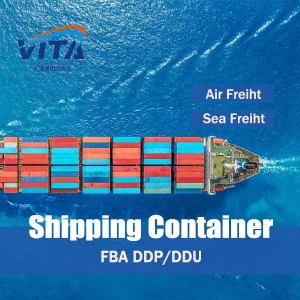
Unexpected demurrage and detention charges are primary drivers of budget overruns. Adopting professional DDP (Delivered Duty Paid) models through specialists like Shenzhen StudioWare Logistics ensures that customs clearance is handled proactively. Pre-clearing goods and securing precise HTS classifications eliminate surprise taxes and administrative storage fees at destination ports.
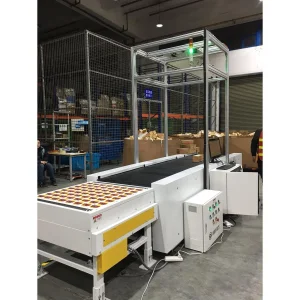
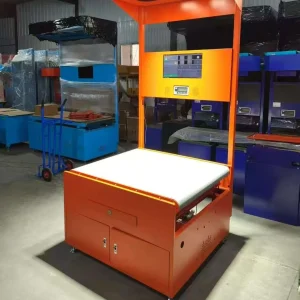
Manual dimensions and weight logging are prone to errors, which lead to costly carrier adjustments. Integrating advanced smart sorting systems and High Accuracy DWS (Dimensioning, Weighing, Scanning) systems captures parcel data instantly. This minimizes labor costs, avoids volumetric surcharges, and speeds up throughput velocities in logistics depots.
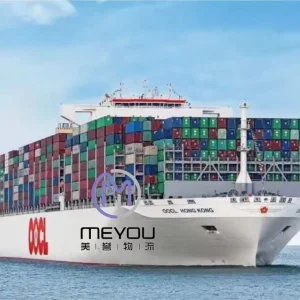
Relying solely on air freight to meet strict deadlines is financially unsustainable, while relying purely on sea freight can disrupt supply chains. Combining sea, air, rail, and road networks (e.g., Sea-Air transshipments through Dubai or intermodal rail lines across Central Europe) provides a middle ground. This saves up to 40% in shipping costs compared to direct air transport while slashing lead times by half compared to ocean routes.
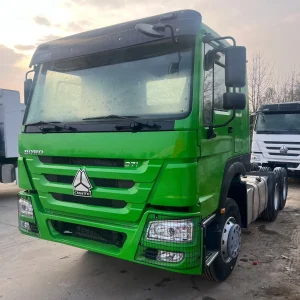
For last-mile delivery and localized heavy trucking, transitioning to EV power devices or low-carbon equipment is key to reducing fuel overhead. By establishing centralized fleet charging infrastructure at heavy-duty truck depots, fleet operators decrease energy and maintenance costs, insulate operations from fluctuating diesel prices, and satisfy strict environmental mandates.
Lack of cargo visibility leads to excessive panic-driven communications and administrative delays. Real-time tracing from pickup to final delivery allows dispatchers to adjust schedules and route vehicles dynamically. This helps prevent missed drop-off penalties and minimizes labor overhead associated with tracing shipments manually.
How robust manufacturing clusters combined with modernized freight forwarding optimize global commerce workflows.
China's manufacturing sector continues to lead the global supply chain, driven by extensive industrial ecosystems, advanced port automation, and a highly skilled workforce. This allows factories to keep production cycles short, even during complex supply chain shifts. However, to translate factory-gate efficiency into competitive landed prices, exporters need to align with specialized logistics partners.
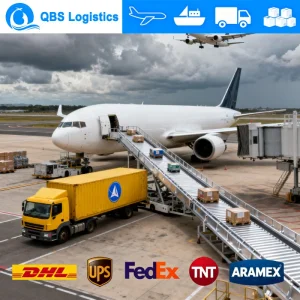
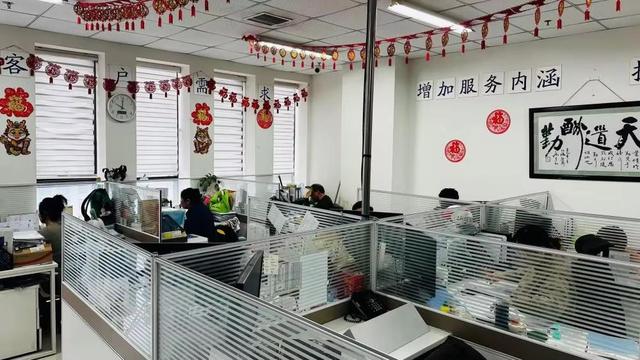
Shenzhen StudioWare Logistics Co., Ltd. serves as a reliable international logistics and supply chain service provider. Specializing in cross-border logistics, express courier services, air freight, sea freight, and complex global supply chain programs, the company is built to facilitate seamless trade routes connecting Chinese production bases with target international markets.
Integrating modern management systems with real-time tracking, StudioWare streamlines logistics, provides shipment visibility, and maintains predictable delivery times. By designing multimodal paths and managing customs clearance, StudioWare assists clients in minimizing overhead while scaling their operational footprint.
Whether handling time-critical retail shipments, bulky mining and construction machinery, high-volume e-commerce goods, or sensitive components, StudioWare designs logistics strategies tailored to specific industry demands. As global trade adopts digital tracking and green alternatives, the company continues to invest in optimizing routes to connect China with North America, Europe, Asia-Pacific, and emerging markets.


Specific regional strategies tailored to the complex regulatory and geographic demands of primary international markets.
Navigating post-Brexit logistics demands precise compliance to avoid costly border holds. Utilizing established DDP maritime agencies and deploying smart, cold-resistant EV fleet charging depots in major hubs like Warsaw allows exporters to secure stable distribution pathways across Central Europe despite harsh winter conditions.
With high labor costs and congested coastal ports, using intermodal transport and cross-border trucking via Mexican freight networks helps avoid port surcharges. Consolidating shipments at the origin and using automated sorting system checkpoints reduces warehousing overhead in expensive US facilities.
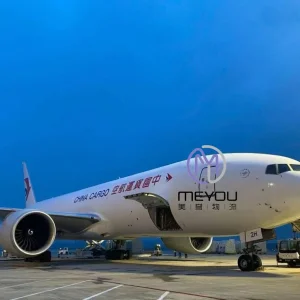
Dubai serves as a primary multimodal transshipment point. Exporters can utilize sea freight from China to Dubai, followed by rapid air cargo dispatch to Africa or Europe. This strategy balances cost and transit speed, keeping final delivery times predictable while reducing air freight premiums.
Due to strict biosecurity and customs rules in Oceania, incomplete cargo paperwork often results in heavy quarantine fees. Establishing dedicated door-to-door DDP ocean freight services avoids clearing delays and eliminates surprise port hand-back fees.
Complex import taxes make clearance challenging in South America. Using specialized freight forwarding partners with local compliance offices ensures smooth customs entry and reduces cargo detention risks at ports like Santos.
As manufacturing diversifies, cross-border road freight networks connecting China to Vietnam, Thailand, and Malaysia offer an alternative to ocean freight. This strategy balances cost and delivery speed for regional supply chains.
A strategic vision of how emerging technology, automation, and green energy will redefine supply chain cost structures.
Implementing automated dimensioning, weighing, and scanning systems to eliminate manual errors and stop shipping-charge discrepancies at the warehouse gate.
Deploying cellular GPS sensors in cargo shipments to track temperature, route deviations, and status changes, reducing delays and potential cargo losses.
Using predictive AI models to calculate traffic delays, port congestion, and optimal route changes, maximizing delivery speeds while reducing fuel consumption.
Integrating heavy-duty electric trucks with local battery energy storage systems, allowing logistics fleets to operate independently of fuel price volatility.



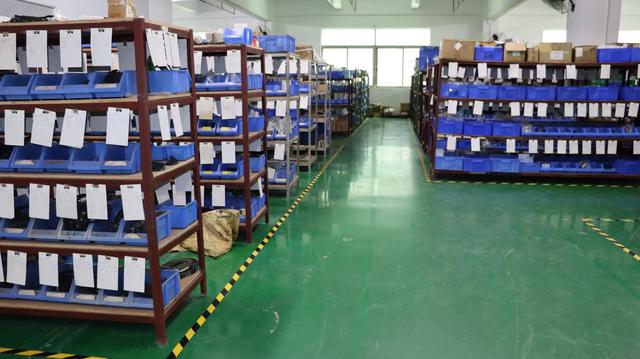
Navigating global trade requires managing complex regulations, customs rules, and environmental standards. A single compliance error can lead to cargo delays, port penalties, and potential legal issues.
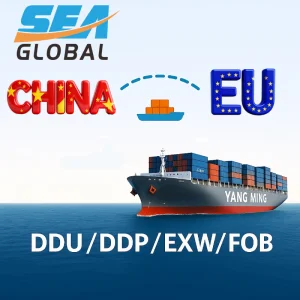
Exporters must handle and classify cargo properly, whether exporting raw materials, consumer goods, heavy trucks, or sensitive electronics. Using structured shipping terms (EXW, FOB, DDP) clarifies cost responsibilities and liability risks between buyer and seller, reducing shipping disputes.
Working with partners like Shenzhen StudioWare Logistics helps secure necessary local bonds, clear customs pre-checks, and ensure documentation complies with regional laws. This proactive approach helps keep supply chains running predictably and keeps shipping costs under control.
Expert insights on reducing logistics costs, optimizing trade agreements, and managing international supply chains.

Optimize your shipping routes and warehouse setups with our range of fleet assets, charging equipment, and freight handling solutions.
 StudioWare Logistics