Explore our highly integrated systems, customized components, and precision logistics capabilities built to optimize high-performance cross-border distribution channels.

Shenzhen StudioWare Logistics Co., Ltd. is a professional international logistics and supply chain service provider specializing in cross-border logistics, express delivery services, air freight, sea freight, and global supply chain solutions. The company is committed to offering efficient, reliable, and cost-effective transportation services for global trade between China and international markets.
With a strong global logistics network, StudioWare Logistics provides end-to-end shipping solutions including pickup, warehousing, customs clearance, freight forwarding, and last-mile delivery. Its services cover a wide range of international routes, supporting e-commerce businesses, manufacturers, and trading companies with stable and scalable logistics operations.
The company integrates modern logistics management systems with real-time tracking technology to ensure transparency, shipment visibility, and timely delivery performance. By optimizing transportation routes and combining air, sea, and multimodal logistics options, Shenzhen StudioWare Logistics helps clients reduce shipping costs while improving delivery efficiency.
Shenzhen StudioWare Logistics Co., Ltd. also offers customized supply chain solutions tailored to different industries and cargo requirements, including time-sensitive shipments, bulk freight, and cross-border e-commerce logistics.
Driven by globalization and digital logistics innovation, the company aims to become a trusted global logistics partner, connecting China with key international markets such as North America, Europe, Asia-Pacific, and emerging economies through high-quality cross-border transportation services.

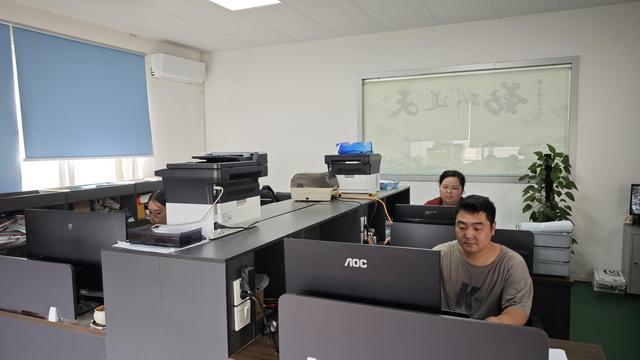
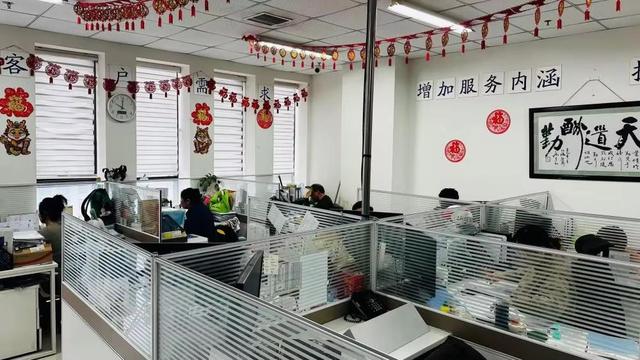


A data-driven outlook on our logistical infrastructure, demonstrating reliability and speed across key metrics.
Analyzing structural shifts in international trade, manufacturing consolidation, and the critical role of China's outbound supply chains.
In the modern era of hyper-globalized trade, logistics has transcended its traditional definition of simple freight carriage. It now functions as the core nervous system of multinational corporations. A Full-Service Logistics Provider (3PL/4PL) acts as the central orchestrator, managing everything from source raw-material engineering to end-mile DDP delivery.
As factories in China shift toward higher-value manufacturing, the integration between industrial production and logistical execution has tightened. High-tech products, such as 4G LTE tracking networks and specialized concrete chemical admixtures, require sophisticated, environmentally controlled logistics structures to preserve transit viability.
This shift has accelerated the rise of specialized exporters that do not just ship containers but design comprehensive distribution networks. A major factor is the mitigation of macroeconomic supply chain bottlenecks. Exporters must maintain highly agile, multi-route networks spanning rail, sea, air, and inland trucking corridors to ensure operations remain insulated from geopolitical disruptions, tariff fluctuations, and port congestions.
Technological advancement, regulatory pressures, and shifting trade patterns are redesigning international cargo movement.
The standard for cargo movement is transitioning from static updates to live telemetry. Real-time location, temperature, and shock-monitoring sensors are vital for high-value tech, pharmaceutical, and automotive shipments.
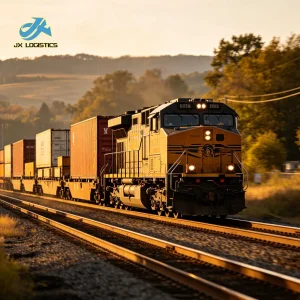
To bypass maritime backlogs and flight restrictions, logistics operators are utilizing mixed-mode models. Combining sea freight to major ports with express cross-border rail links has emerged as a resilient, cost-balanced strategy.
Global regulatory frameworks such as CBAM require detailed scope emissions reporting. Modern full-service logistics providers must offer carbon calculation metrics alongside eco-optimized ocean carriers and route-efficiency mapping.
How customized geographic solutions address region-specific bottlenecks, from GCC customs protocols to EU environmental compliance.
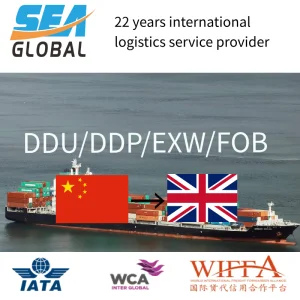
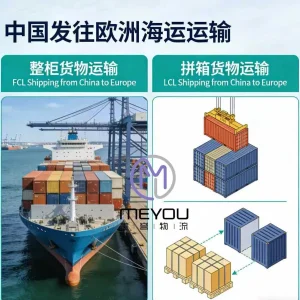
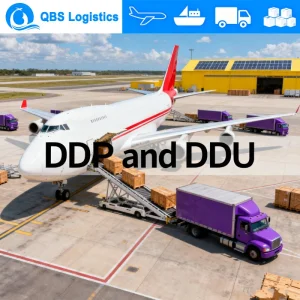
Moving commercial cargo from eastern Chinese ports into complex regulatory environments like the UK or Western Europe requires deep tariff engineering. By deploying automated customs clearance protocols and pre-sorting consolidated LCL containers in Shenzhen hubs, shipping lines to Felixstowe or Rotterdam bypass primary terminal processing delays. Under Delivered Duty Paid (DDP) structures, all import VAT, duty classifications, and local port handling charges are cleared prior to arrival, ensuring friction-free delivery to last-mile fulfillment centers.
Cargo bound for Saudi Arabia, the UAE, or Kuwait often utilizes multimodal shipping routes to maximize speed and cost-effectiveness. A combination of ocean freight to regional hubs followed by specialized land transport networks bypasses congested maritime choke points. This approach requires strict compliance with localized import regulations, SASO certifications, and customs declaration procedures to ensure seamless transition across GCC borders.
E-commerce shipping to Latin America (such as Mexico and Brazil) requires reliable cross-border logistics to manage complex import procedures and high shipping costs. Utilizing local bonded warehouses allows for expedited last-mile delivery and simplified returns management. Integrating regional customs brokerage ensures import duties are processed efficiently, minimizing transit times and enhancing consumer satisfaction.
How automation, algorithmic routing, and AI-driven hardware systems are reshaping traditional freight hubs.
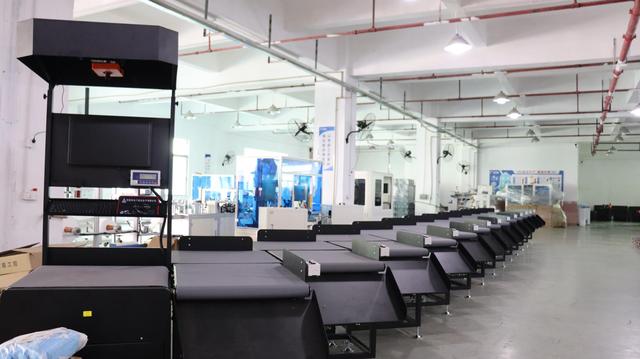
The integration of smart hardware within logistics infrastructures is accelerating rapidly. Warehouse sorting automation, including Automatic Pivot Sorter Systems, is replacing traditional manual sorting. These systems utilize advanced optical scanners and weight sensors to route packages down target chutes with near-zero error rates.
Simultaneously, route optimization software uses machine learning to dynamically reroute shipments based on real-time weather and port congestion data. Looking forward, the logistics industry is moving toward autonomous driving systems, electric delivery vehicles, and drone delivery for remote regions.
Tailored logistical frameworks designed for distinct industries, managing unique material challenges and cargo specifications.
Moving industrial goods like Polycarboxylate Ether requires precise chemical logistics. Temperature stabilization, anti-moisture containment, and reliable bulk sea freight solutions are critical to preventing material degradation during transit.
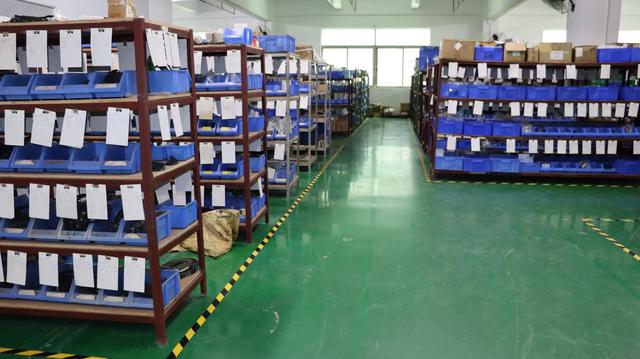
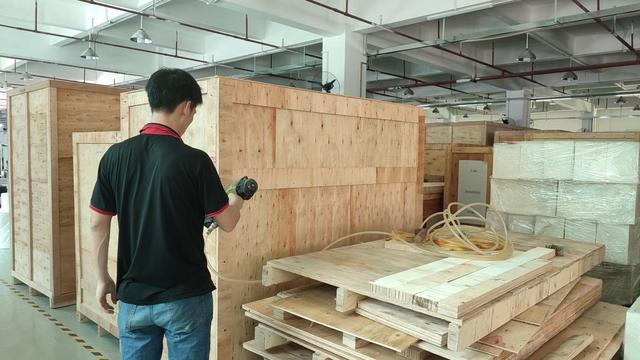
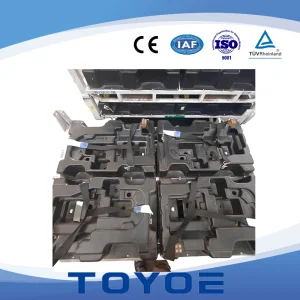
High-value automotive components require custom-engineered packaging and heavy-duty storage racks during transport. Designed to withstand ocean vibrations, these systems protect delicate vehicle parts from physical damage.
From IoT trackers to personal electronics, consumer goods logistics demands rapid fulfillment and precise tracking. Integrating tracking technology ensures real-time visibility from factory floors to last-mile delivery.
Addressing core concerns and logistical questions faced by global procurement officers and supply chain directors.
Browse our advanced material sorting hardware, specialized heavy transport racks, and end-to-end global delivery networks.
 StudioWare Logistics