Global supply chains rarely fail for one simple reason. A container may leave Shanghai on schedule, yet arrive weeks late in Rotterdam. Between these ports, weather, labor shortages, equipment imbalances, customs reviews, and changing customer demand can disrupt carefully planned routes. This raises a practical question: what causes delays in global supply chains? The answer usually involves several connected pressures, not one isolated event.
This introduction examines how disruptions spread from factories to warehouses and retail shelves. A missing truck appointment can delay loading. A crowded terminal can keep containers waiting outside the gate. Even small forecasting errors may leave manufacturers without essential components. Logistics managers often track vessel schedules, inventory levels, port congestion, and supplier performance to reduce these risks. Reliable analysis also requires evidence from shipping records, customs data, and industry reports. Personal experience matters, but it can reveal only one route or company.
The picture is uneven.
Some delays are visible. Others remain hidden inside paperwork, booking changes, or poor communication. Resilience does not mean avoiding every disruption. It means preparing alternatives, sharing accurate information, and recovering without creating new bottlenecks. However, businesses sometimes overstate their readiness. A backup supplier may lack capacity when demand rises sharply. That uncomfortable gap deserves attention. Understanding these weaknesses can help companies build supply networks that are more transparent, flexible, and dependable.
Why Do Global Supply Chains Face Delays?
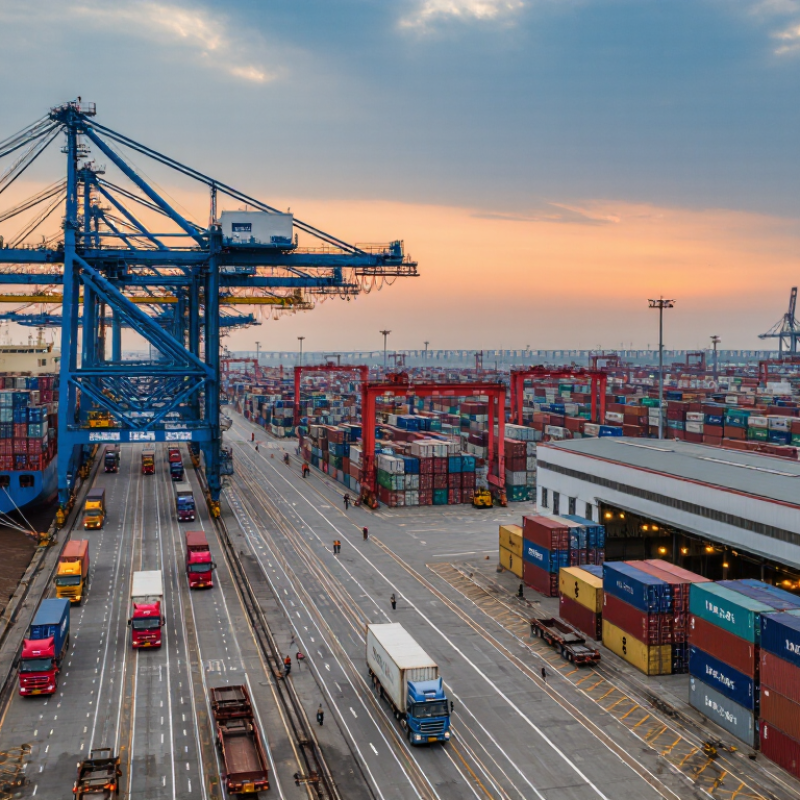
More than 80% of world trade by volume moves by sea, according to UNCTAD. This figure makes maritime transport the backbone of global supply chains. A delay at one major port can affect factories, retailers, and consumers across several continents. The problem often begins with a simple queue: ships wait offshore, containers wait for cranes, and trucks wait for loading appointments.
Weather creates another visible risk. Strong winds can slow vessel operations or close terminals temporarily. Rough seas may also change shipping schedules. Inside a port, limited cranes, labor shortages, damaged equipment, or missing paperwork can add more hours. A container might leave a ship quickly but remain stranded inland because rail cars or trucks are unavailable.
The sea is only one link.
Supply chain teams usually monitor port notices, vessel positions, inventory levels, and inland transport capacity. These practices improve planning, but they cannot remove every uncertainty. Forecasts can be wrong, and emergency decisions may shift delays elsewhere. This is where many explanations become too simple. Maritime dependence matters greatly, yet disruptions often grow through several connected systems. A late vessel, a crowded terminal, and a delayed warehouse appointment can create one long chain of waiting.
The Suez Canal is a narrow maritime chokepoint linking Europe and Asia. According to UNCTAD, it handles 12–15% of global trade. That share gives the canal enormous influence over delivery schedules. A vessel waiting outside the canal can affect cargo far beyond the waterway. Small disruptions become visible quickly.
When traffic slows, ships may reroute around Africa to avoid the blockage. That detour can add days or even weeks to a voyage. Fuel use rises. Container arrivals shift. Ports may receive several delayed vessels together, creating crowded berths and slower cargo handling. A factory might then wait for one missing component, even when most materials have arrived.
Reliable planning requires more than a single estimated arrival date. Logistics teams should map alternative routes, maintain realistic safety stock, and monitor canal conditions daily. They should also check port capacity along possible detours. In practice, forecasts are imperfect. Weather changes, inspection delays, and equipment shortages can still disrupt a careful plan. A useful risk review asks what happens when the expected route fails. It should also identify which customer orders need earlier protection. Even a well-built schedule can break at the quay.
Why Do Global Supply Chains Face Delays?
Climate Constraints: Panama Canal Transits Fell to 24 Daily in December 2023
In December 2023, Panama Canal transits fell to 24 daily because drought reduced available freshwater. The canal depends on rainfall to operate its locks and maintain safe vessel drafts. Lower lake levels forced authorities to restrict ship passages and cargo weight. Water became the bottleneck.
For logistics planners, this was not a simple scheduling problem. Fewer transits created queues, longer waiting times, and pressure on alternative routes. Some vessels carried less cargo to meet draft limits. Others faced higher fuel use and extended sailing distances after rerouting.
The effects moved beyond the canal. Delayed containers disrupted factory schedules, warehouse planning, and retail replenishment. Companies with limited inventory felt the impact sooner. Critical components could remain unavailable even when production capacity still existed.
Good planning now requires climate data alongside freight rates and port schedules. Teams should monitor rainfall, reservoir levels, vessel restrictions, and booking changes. They also need realistic buffer stock and more than one transport option. That sounds obvious.
It is not always easy.
Many supply models still treat weather as a temporary exception. That assumption failed in Panama. Forecasts can also be imperfect, especially when drought conditions change faster than contracts and production plans. A careful response combines official canal updates, carrier notices, and direct communication with suppliers. Guesswork becomes expensive when every daily transit slot matters.
Severe drought reduced water availability in the canal system, limiting the number of vessels that could pass each day. Daily transit capacity fell from approximately 36 vessels under normal conditions to 24 in December 2023, increasing waiting times and adding uncertainty to global shipping schedules.
Data basis: publicly reported canal transit capacity figures for normal operations and December 2023 drought restrictions.
Why Do Global Supply Chains Face Delays?
Port Congestion: Liner Schedule Reliability Dropped Below 35% in 2021
In 2021, liner schedule reliability fell below 35%, meaning fewer than four in ten vessel arrivals met their published schedules. This figure exposed how fragile global shipping had become. A container could wait outside a crowded port for days, then face another delay at the berth. Yard cranes, chassis, truck appointments, and rail capacity all competed for limited space.
Port congestion was not caused by one problem. Surging consumer demand filled vessels faster than terminals could process them. Labor shortages reduced operating hours in some locations. Weather interruptions and uneven equipment availability added pressure. A shipment planner might see a vessel leave on time, yet find the cargo delayed during transshipment. That distinction matters.
The statistic is useful, but imperfect. Schedule reliability usually measures arrival performance against the carrier’s announced timetable. It does not fully show customs clearance, inland transport, or warehouse delays. Still, the number gives supply-chain managers a credible warning. Published transit times could no longer support tight inventory planning. Many companies responded by ordering earlier, holding more safety stock, or using alternative ports. These choices improved resilience, but increased storage and financing costs. The lesson remains uncomfortable: even a carefully planned route can fail when every handoff depends on a congested network.
A shipment rarely becomes late at one single checkpoint. In logistics reviews, I often see a small delay expand across several handoffs. A vessel arrives two days late, leaving less time for customs preparation. The clock changes. Missing invoice details or inconsistent product descriptions can hold a container for inspection. While clearance waits, warehouse staff keep inventory records open and production plans uncertain.
Inventory pressure then creates another delay. A factory may request urgent replenishment, but the nearest stock is already allocated elsewhere. Teams may split an order across several shipments, increasing handling and scheduling risks. That choice feels practical during a shortage. It can also create more paperwork, more transfers, and more opportunities for error. Small errors spread.
Inland transport often multiplies the original problem. A released container may still wait for a chassis, a driver, or a suitable delivery window. Congestion near distribution centers can add hours after customs has finished. I have seen appointment changes push a delivery into the next operating day, even when the cargo was physically nearby. Tracking systems reveal movement, but not always the reason for silence. This is where supply-chain planning needs humility: estimated transit times are useful, yet they are not promises. Teams should compare inventory buffers, document quality, clearance status, and inland capacity together, rather than treating each delay as an isolated event.
It connects major trading regions and carries a large share of global cargo. Small slowdowns spread quickly.
They may travel around Africa, adding days or weeks. Fuel use rises, and arrival dates move.
Yes. Several delayed vessels may arrive together. Berths become crowded, and cargo handling slows.
One missing component can halt production. A nearly complete shipment is still incomplete.
They should map alternative routes, keep realistic safety stock, and monitor conditions daily.
Late arrivals leave less preparation time. Missing invoices or inconsistent descriptions may trigger inspections.
A cleared container may still lack a chassis, driver, or delivery appointment.
No. Tracking shows movement, but silence may hide customs, equipment, or scheduling problems.
Estimates support planning, but they are not promises. Weather, inspections, and equipment shortages can change them.
Global supply chains face delays because their operations depend on highly interconnected maritime, port, customs, and inland transport systems. More than 80% of world trade by volume moves by sea, making disruptions in major shipping routes especially significant. The Suez Canal carries approximately 12–15% of global trade, so congestion or interruptions at this chokepoint can affect delivery schedules worldwide. Climate conditions add another layer of uncertainty: during December 2023, daily transits through the Panama Canal fell to just 24, limiting capacity and creating additional pressure on alternative routes.
To understand what causes delays in global supply chains, it is also important to consider port congestion and unreliable schedules. Liner schedule reliability dropped below 35% in 2021, increasing waiting times and disrupting production planning. Once a shipment is late, the impact can cascade through inventory management, customs processing, and inland transportation, multiplying total transit times and making recovery more difficult.

StudioWare Logistics