How Does Temperature Controlled Shipping Ensure Product Quality?

Time:2026-06-07 Author:Mason
0%

Temperature-controlled shipping has become crucial in maintaining product quality, especially for perishable goods. According to the "Global Temperature-Controlled Packaging Market" report, the industry is projected to grow at a CAGR of 14.2% from 2021 to 2028. This growth reflects a rising demand for safe and effective transport solutions.

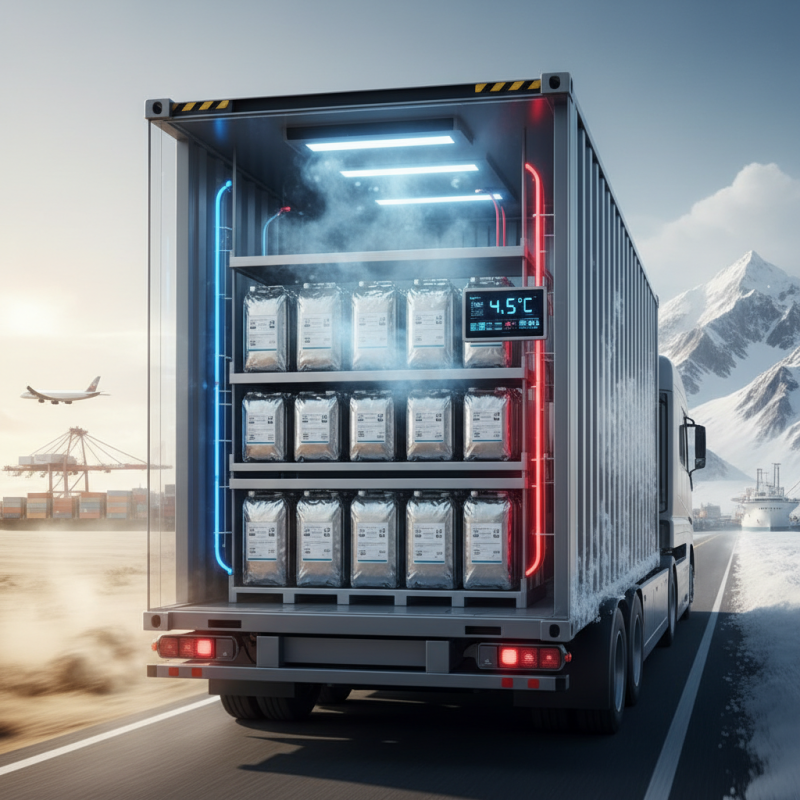
So, how does temperature controlled shipping work? This method uses insulated containers and advanced technologies to regulate temperatures throughout transit. Monitoring systems track conditions in real-time, allowing immediate interventions if necessary. For instance, a study by the International Journal of Refrigeration showed that improper temperature variations can lead to 25% spoilage in food products. This statistic underscores the importance of proper handling.

Challenges remain in the sector. Not all suppliers consistently implement the best practices. Variations in local regulations can impact effectiveness. Companies must commit to ongoing training and technology upgrades to meet standards. Ensuring product quality is not merely about compliance; it’s about safeguarding consumer health and trust. Striving for excellence in temperature-controlled shipping is essential for businesses aiming to thrive in a competitive landscape.
How Does Temperature Controlled Shipping Ensure Product Quality?

Understanding Temperature Controlled Shipping and Its Importance

Temperature controlled shipping is vital for the quality of perishable goods. Many products, such as pharmaceuticals and food items, require specific temperature ranges to maintain their effectiveness. A minor temperature deviation can compromise product safety and integrity. This shipping method uses insulated packaging and temperature monitoring to ensure compliance throughout transit.

Understanding temperature controlled shipping involves recognizing its importance to various industries. For instance, in the pharmaceutical sector, vaccines must be stored within narrow temperature margins. If these temperatures fluctuate, the effectiveness may diminish. Similarly, fresh produce transported under improper conditions may spoil, leading to significant financial loss and waste.

While technology has advanced, gaps still exist in some processes. Not all systems provide real-time temperature monitoring. Occasionally, packaging fails to meet strict standards, raising concerns about reliability. Companies must continually assess their logistics and cooling solutions to uphold product quality. Embracing these challenges can lead to better practices in temperature controlled shipping.

Key Temperature Ranges for Different Products in Shipping

Temperature-controlled shipping is essential for maintaining the quality of perishable products. Different products require specific temperature ranges to ensure safety and freshness during transit. For example, pharmaceuticals typically need to stay within a range of 2 to 8 degrees Celsius. This control is critical; according to the World Health Organization, 25% of vaccines lose effectiveness due to improper temperature storage.

Food products show similar sensitivity. Fresh fruits and vegetables usually perform best in 0 to 4 degrees Celsius. Keeping them in this range minimizes spoilage and waste. A study from the Food and Agriculture Organization indicates that improper temperature management contributes to about 30% of food waste globally. It’s alarming, especially as consumers demand fresher options.

It’s worth noting that achieving these temperature goals is not always foolproof. Technical errors or equipment failures can lead to lapses. Data from industry reports suggest that nearly 13% of shipments experience temperature deviations. Such statistics highlight areas for reflection and improvement. Organizations must consider investing in better solutions to minimize risks and enhance product integrity throughout the shipping process.

Key Temperature Ranges for Different Products in Shipping

Impact of Temperature Fluctuations on Product Quality and Safety

Temperature fluctuations can severely impact product quality and safety, particularly in the food and pharmaceutical industries. When products are exposed to higher or lower temperatures than recommended, their integrity can be compromised. For example, vaccines require strict temperature controls to remain effective. A single breach could lead to significant health risks.

Fluctuations can promote bacterial growth in food items. Improperly stored perishable goods may spoil quickly, leading to waste and health hazards. This places a greater emphasis on monitoring systems that track temperature throughout transport. Many rely on real-time data to ensure conditions remain consistent.

Quality assurance in shipping relies heavily on these controlled environments. Yet, not all systems are foolproof. Human errors or equipment failures can occur. Regular maintenance and rigorous protocols are essential to prevent these lapses. Ensuring the safety of products during shipping is a continuous learning process for professionals in the field.

Technological Innovations in Temperature Monitoring and Control

Temperature-controlled shipping plays a crucial role in maintaining product integrity. The latest technological innovations in this field are ensuring that sensitive goods remain in ideal conditions. According to a recent study by the Food and Drug Administration (FDA), improper temperature control can lead to a 30% increase in spoilage rates for temperature-sensitive products.

Real-time temperature monitoring systems are now standard in the industry. These systems use advanced sensors and IoT technology to track conditions throughout the shipping process. They provide precise data that helps shippers make informed decisions. For example, a cold chain monitoring report by the Global Cold Chain Alliance found that companies utilizing advanced temperature monitoring solutions saw a 25% reduction in product loss.

However, the challenge remains in effectively managing these technologies. Not all organizations fully understand the capabilities of their systems. Some companies still rely on less effective manual checks, leading to gaps in temperature control. Ensuring constant training and knowledge sharing is essential for leveraging these innovations. As the industry continues to evolve, the push for improved systems is constant. Companies must adapt or risk falling behind.

How Does Temperature Controlled Shipping Ensure Product Quality?

Dimension Importance Technological Innovations Examples
Temperature Monitoring Prevents spoilage and ensures safety Real-time temperature sensors IoT temperature trackers
Temperature Control Maintains quality during transit Automated refrigeration systems Active and passive cooling
Data Analysis Enhances decision making and compliance Cloud-based analytics platforms Temperature history reports
Alerts & Notifications Immediate action on potential risks SMS and email alerts Automated alerts system
Tracking & Tracing Ensures product accountability GPS and RFID technology Real-time location tracking

Regulatory Standards and Compliance for Temperature Controlled Shipping

Temperature controlled shipping is vital for preserving product quality, especially in industries like pharmaceuticals and food. Regulatory standards ensure that temperature-sensitive items are transported within specific ranges. These regulations help protect consumers and maintain the integrity of products. Compliance with these standards is essential for all stakeholders involved.

Organizations must document their processes meticulously. This includes monitoring temperature throughout transit. Each shipment should have a record to verify conditions were met. Regular audits may uncover gaps in compliance, prompting necessary changes. Failure to adhere to regulations can lead to significant losses and legal issues.

Tips: Always choose reliable transport partners. Invest in proper training for staff on temperature monitoring. Frequent inspections of shipping containers and equipment are beneficial. Developing a contingency plan for temperature deviations can mitigate risks.

Meeting regulatory requirements is not just a legal obligation. It builds trust with customers and partners. Yet, maintaining compliance can be complex. Staying updated on regulations is a continuous challenge for businesses. A proactive approach helps in navigating these hurdles.

FAQS

: What temperature range is ideal for pharmaceuticals during shipping?

: Pharmaceuticals should be kept between 2 to 8 degrees Celsius. This is crucial for their effectiveness.

How can temperature issues affect food products?

Temperature fluctuations can spoil food quickly. This can lead to waste and create health risks for consumers.

What is the ideal temperature for fresh fruits and vegetables?

Fresh produce should be maintained at 0 to 4 degrees Celsius to minimize spoilage.

How significant is the impact of improper temperature management on food waste?

About 30% of food waste is due to poor temperature control. This figure is troubling for sustainability.

What percentage of shipments experience temperature deviations?

Nearly 13% of shipments face temperature issues. This highlights the need for better management.

Are temperature monitoring systems always reliable?

No, they can fail due to technical errors. Continuous monitoring and regular maintenance are necessary.

Why is quality assurance important in temperature-controlled shipping?

Quality assurance safeguards product integrity. It prevents potential health risks associated with unsafe shipping practices.

What risks do temperature breaches pose to vaccines?

A single breach can compromise vaccine effectiveness, leading to serious health concerns.

Can human errors affect temperature control in shipments?

Yes, human mistakes can lead to temperature lapses. Training and protocols should be reinforced.

What is a continuous learning process for shipping professionals?

Ensuring product safety involves constant improvement and learning from past temperature management lapses.

Conclusion

Temperature controlled shipping is essential for maintaining the quality and safety of temperature-sensitive products. Understanding how does temperature controlled shipping work involves recognizing its critical role in ensuring that products remain within specific temperature ranges, which vary by product type. This shipping method mitigates the risks associated with temperature fluctuations, which can adversely affect the integrity and efficacy of pharmaceuticals, perishables, and other sensitive goods.

Technological innovations in temperature monitoring and control, such as real-time tracking systems and automated alerts, have significantly enhanced the reliability of temperature controlled shipping. Additionally, compliance with regulatory standards ensures that companies adhere to best practices in the transportation of sensitive items, thereby safeguarding public health and consumer trust. Overall, effective temperature controlled shipping not only protects product quality but also strengthens market competitiveness through improved logistics and customer satisfaction.

Mason

Mason

Mason is a seasoned marketing professional with a deep expertise in the company's offerings and a passion for driving brand awareness. With a strong background in digital marketing strategies, he has an innate ability to connect with diverse audiences and effectively communicate product benefits.......