Managing cross-border logistics poses significant challenges for small businesses. These enterprises often lack the resources and expertise of larger organizations. So, how does cross-border logistics work for small businesses? Understanding the intricacies is vital for success.
Small businesses must navigate various factors. These include different regulations, customs requirements, and shipping conditions. Each country has its own set of rules, which can be daunting. Additionally, language barriers may complicate communication with suppliers and logistics partners.
Many small businesses rely on third-party logistics (3PL) providers. These partners can help simplify the logistics process. However, choosing a reliable 3PL can be overwhelming. Small businesses must ensure that they select a provider that understands their needs. They need clarity and reliable information. Often, these businesses struggle with fluctuating shipping costs and unexpected delays, leading to more reflection and planning for future shipments.
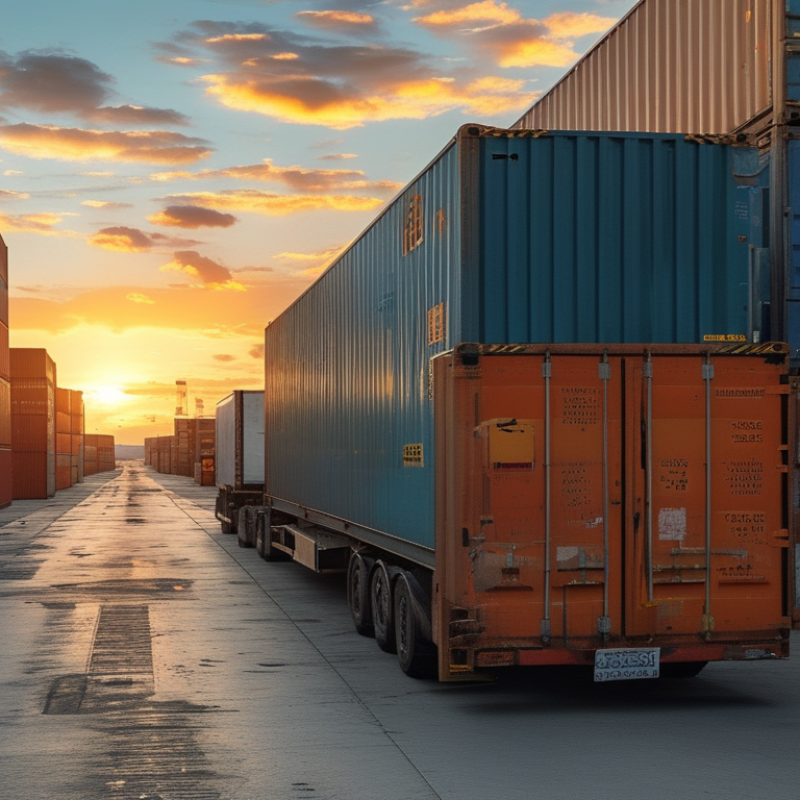
Understanding cross-border logistics is crucial for small businesses seeking to expand their market reach. According to a report by the World Bank, global trade has increased by 25% in the past five years. This growth means small enterprises can tap into diverse markets. Yet, managing logistics can be complex.
Many small businesses lack comprehensive knowledge of international shipping regulations, customs duties, and documentation. In fact, 46% of small businesses report delays due to miscommunication with shipping partners. Effective communication and partnerships with reliable logistics providers can mitigate these issues. Utilizing technology, such as software for tracking shipments, enhances visibility.
Despite the potential for increased sales, challenges remain. Fluctuating tariffs and customs regulations may impact costs unpredictably. Small businesses often struggle to adapt quickly to these changes. Furthermore, understanding customer preferences in different regions adds another layer of complexity. Embracing a flexible approach to logistics management may lead to better outcomes in this dynamic environment.
| Logistics Aspect | Description | Challenges | Solutions |
|---|---|---|---|
| Customs Clearance | The process required for cross-border shipment approval. | Complex regulations and paperwork. | Partnering with customs brokers. |
| Transportation | Moving goods across borders through various modes. | High costs and fluctuating shipping schedules. | Negotiating contracts with multiple carriers. |
| Warehousing | Storage facilities for goods in transit. | Limited space and inventory management issues. | Utilizing third-party logistics (3PL) providers. |
| Technology | Systems that facilitate logistics management. | Integration challenges and costs. | Investing in user-friendly logistics software. |
| Regulatory Compliance | Adhering to international trade regulations. | Varying laws across countries. | Regular training for staff on compliance issues. |
: It helps businesses expand market reach and navigate complex regulations effectively.
Many businesses experience delays due to misunderstandings with customs clearance, affecting delivery times.
Building strong partnerships with reliable logistics providers and utilizing tracking technology enhances communication.
Fluctuating tariffs and complex regulations can lead to unpredictable shipping expenses.
The inconsistency can overwhelm businesses, causing mistakes in order fulfillment and potential penalties.
Logistics expenses can account for about 30% of total costs in cross-border trade.
Regular training and consultation with logistics experts can help maintain compliance and avoid delays.
Missing documents can lead to shipment delays, impacting customer satisfaction and sales.
A flexible approach can help businesses adapt to market changes and improve outcomes.
Building relationships with customs officials and engaging local experts can simplify procedures significantly.
Cross border logistics plays a crucial role for small businesses looking to expand their market reach internationally. Understanding how cross border logistics work for small businesses involves navigating various complexities, including shipping regulations, customs processes, and delivery services. Small businesses often face challenges such as high shipping costs, longer transit times, and compliance with international laws.
To address these issues, effective strategies include optimizing supply chain routes, leveraging technology to track shipments, and considering partnerships with logistics providers that specialize in cross-border solutions. Additionally, staying informed about regulatory requirements is essential to avoid penalties and ensure smooth operations. By implementing these strategies and embracing technological advancements, small businesses can successfully manage their cross border logistics and enhance their competitiveness in the global market.

 StudioWare Logistics