How to Ship Large Cargo Internationally Safely and Efficiently?

Time:2026-06-13 Author:Henry
0%

Shipping large cargo internationally can be complex. Companies must navigate regulations, logistics, and risks. Knowing how to ship large cargo internationally safely is crucial for businesses seeking to expand globally.

Efficient transportation requires careful planning. Each shipment is unique, requiring tailored solutions. Factors like size, weight, and destination influence decisions. Detailed documentation is essential. Missing paperwork can delay shipments or incur fines. It’s vital to choose reliable carriers. They must have expertise in handling oversized cargo.

Mistakes can happen. Underestimating costs leads to budget issues. Failing to account for customs regulations can cause long delays. Reflecting on past shipments can improve future strategies. Investing in training and expertise helps avoid pitfalls. Understanding the process is key to safe and efficient international shipping.
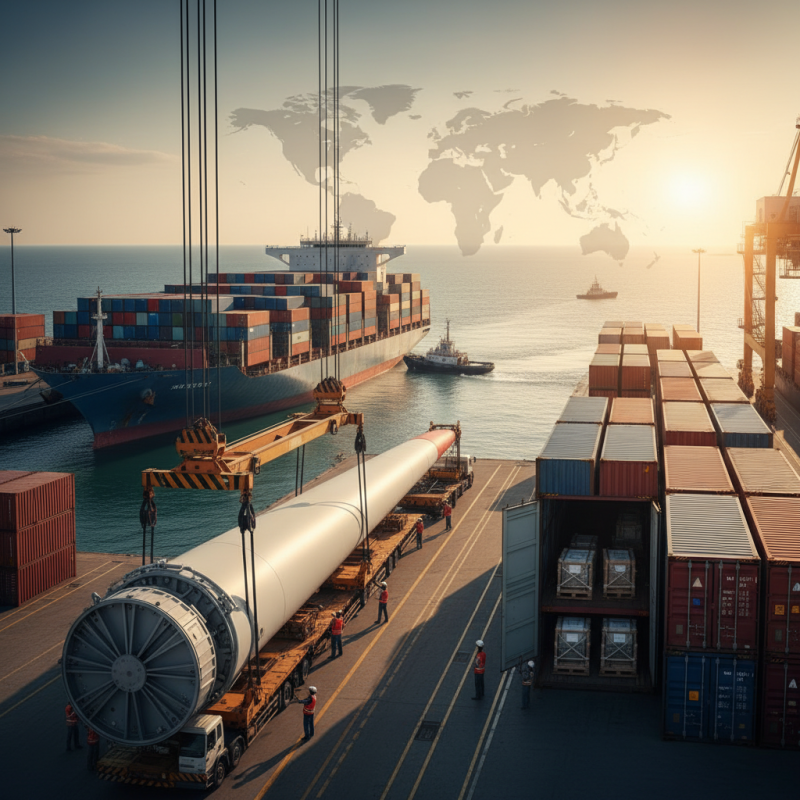
How to Ship Large Cargo Internationally Safely and Efficiently?

Choosing the Right Shipping Method for Large Cargo Internationally

When choosing the right shipping method for large cargo internationally, it's important to consider several factors. Air freight is often the fastest option. However, it comes with higher costs. Sea freight, on the other hand, is more economical but requires patience. If you're shipping heavy machinery or oversized items, these shipping modes will greatly impact your decision.

Another aspect to ponder is the destination. Some countries have strict customs regulations. Understanding these rules can prevent costly delays. Additionally, packaging your cargo properly is crucial. Poor packaging can lead to damage during transit. This not only increases expenses but can impact your reputation as a reliable shipper. Consulting with an experienced shipping expert can provide valuable insights into the complexities of international transport.

Finally, recognize that logistics is rarely perfect. Unexpected challenges may arise, such as weather-related delays or shipping route changes. Flexibility is key. Being prepared for the unforeseen will help you manage stress. Analyze past shipping experiences, even those that didn’t go as planned. This reflection will help refine your approach over time, enhancing your understanding of effective shipping strategies.

How to Ship Large Cargo Internationally Safely and Efficiently?

Shipping Method Transport Mode Transit Time Cost Estimate Best For
Ocean Freight Sea 2-8 weeks $1,000 - $5,000 Heavy and bulk items
Air Freight Air 1-7 days $5,000 - $10,000 Urgent and high-value cargo
Rail Freight Rail 1-4 weeks $1,500 - $4,000 Heavy loads over land
Truck Freight Road 1-2 weeks $800 - $3,000 Short to medium distance
Multimodal Freight Combined Varies Price varies Flexible routing options

Understanding International Regulations and Compliance for Cargo Shipping

Shipping large cargo internationally requires adherence to complex regulations. Understanding these rules is crucial for safe and efficient transport. According to a recent report from the International Maritime Organization, around 80% of global trade by volume relies on maritime shipping. Non-compliance not only delays shipments but can also result in hefty fines. The World Customs Organization emphasizes that accurate documentation is vital for customs clearance, making knowledge of international regulations essential.


Different countries have unique regulations that govern shipping practices. For instance, the International Air Transport Association (IATA) provides strict guidelines for air cargo. A shipment that isn't properly classified can cause problems. Errors may lead to cargo rejections or damaging delays. Shippers must stay informed about changes in regulations. Communication with freight forwarders can aid compliance and facilitate smoother operations.


Each medium of transport—land, sea, or air—has distinct paperwork requirements. The complexity increases with multiple destinations. A recent survey indicated that nearly 30% of shippers encounter regulatory challenges. Adapting to these challenges is vital for success. Keeping abreast of legal requirements should be a priority for any company engaging in international cargo shipping. This awareness can lead to better planning and ultimately reduce shipping-related risks.

Packaging Requirements and Best Practices for Large Cargo Transport

Shipping large cargo internationally requires careful attention to packaging. Proper packaging safeguards your items during transit. It minimizes the risk of damage from impacts, moisture, or other environmental factors. Selecting the right materials is essential. Sturdy crates, foam padding, and moisture barriers can make a significant difference.

Consider the dimensions and weight of your cargo. Overly tight packaging might seem efficient, but it can lead to issues. Insufficient cushioning may not protect items adequately. Each cargo type has unique needs. Heavy machinery, for example, may require custom pallets. Documents outlining the packaging process enhance transparency, fostering trust.

Double-check regulations in destination countries. Packaging must meet local standards. Some countries have specific requirements for labeling and materials. A failure to comply can result in costly delays or fines. Continuous learning becomes crucial. Tracking changes in shipping regulations helps maintain compliance and efficiency.

Cost Considerations and Budgeting for Large Cargo Shipping

When shipping large cargo internationally, cost considerations play a crucial role. A clear budget helps avoid unexpected expenses. Factors like transportation mode, distance, and cargo type greatly influence costs. Researching shipping options thoroughly can provide valuable insights.

Tracking costs meticulously is vital. A small oversight can lead to significant budget overruns. It's essential to include customs fees, insurance, and handling charges in your calculations. Always prepare for contingencies. Unexpected delays or changes in shipping routes can incur additional fees.

**Tips**: Always compare rates from multiple shipping companies. This can save money. Opt for consolidating cargo to reduce overall shipping costs. Additionally, ensure you understand each part of the shipping process. Knowledge is power, especially with complex logistics. Unforeseen expenses can arise, making it critical to review budget forecasts regularly.

Cost Considerations for Large Cargo Shipping

This chart illustrates the average cost breakdown of shipping large cargo internationally, highlighting key expenses such as transportation, insurance, customs duties, and handling fees.

Tracking and Managing Large Cargo Shipments Throughout Transportation

Tracking and managing large cargo shipments can be complex yet essential for international transport. Effective tracking begins with robust software tools. These tools provide real-time updates and allow businesses to monitor their shipments throughout the journey. GPS tracking systems offer pinpoint accuracy. They help in identifying delays or potential issues promptly. It’s crucial to ensure that all data is regularly updated to avoid misinformation.

Communication is another key aspect. Regular updates with logistics partners can prevent misunderstandings. Establishing clear lines of communication ensures everyone is on the same page. Mistakes can occur in cargo management, like mislabeling or incorrect documentation. Addressing these issues promptly can avoid bigger problems down the line.

Handling large shipments also requires attention to detail. Packaging should be tailored to the specific type of cargo. For fragile items, additional cushioning is necessary. Poorly managed shipments can lead to losses or damage. It's vital to reassess procedures regularly for continuous improvement. Adapting to new challenges keeps operations running smoothly.

FAQS

: What is the fastest shipping method for large cargo?

: Air freight is often the fastest option for shipping large cargo internationally.

Why is sea freight considered more economical?

Sea freight is generally more affordable but requires more time and patience for delivery.

How can destination customs regulations affect shipping?

Strict customs regulations can lead to delays, emphasizing the need to understand these rules.

What role does packaging play in cargo shipping?

Proper packaging prevents damage during transit and helps maintain a shipper's reputation.

What should you do to ensure compliance when shipping?

Familiarize yourself with international regulations and maintain accurate documentation for customs clearance.

How can tracking tools help in managing shipments?

Robust tracking software gives real-time updates, assisting in identifying delays or issues efficiently.

What common mistakes can occur in cargo management?

Mislabeling or incorrect documentation are frequent mistakes that can lead to bigger shipping problems.

Why is communication important in shipping logistics?

Regular updates with logistics partners help prevent misunderstandings and keep everyone informed.

How can shipping procedures be improved over time?

Regular reassessment of shipping practices promotes continuous improvement and adapts to new challenges.

What should you prepare for in logistics?

Be ready for unexpected challenges, such as delays or route changes, to manage stress effectively.

Conclusion

Shipping large cargo internationally requires careful planning and consideration to ensure safety and efficiency. To determine how to ship large cargo internationally safely, it's essential to choose the right shipping method based on factors like size, weight, and destination. Understanding international regulations and compliance is also crucial to avoid any legal complications during the shipment process.

Additionally, packaging plays a significant role in protecting cargo during transit. Employing best practices for packaging can prevent damage and ensure that the cargo arrives in optimal condition. Cost considerations should not be overlooked; budgeting for all potential expenses, including insurance and customs fees, is vital for a successful shipping experience. Finally, tracking and managing large cargo shipments throughout transportation helps maintain visibility and addresses any issues that may arise, contributing to a smoother shipping process.

Henry

Henry

Henry is a dedicated marketing professional with a profound expertise in the company's offerings. With years of experience in the industry, he possesses an impressive understanding of the market dynamics and consumer behaviors that drive success. Henry is committed to sharing his insights through......