When considering shipping fragile goods internationally, many ask, "what is the safest way to ship fragile goods internationally?" The answer involves experience and strategic planning. Proper packing can make a significant difference. Using cushioning materials, such as bubble wrap or foam peanuts, helps absorb shock.
Choosing the right shipping service is crucial. Not all carriers offer specialized handling for fragile items. Researching options can prevent costly mistakes. Different countries have unique requirements. Understanding these can enhance protection during transit.
It's also important to reflect on past experiences. Learning from previous shipments can guide improvements. Remember, even with precautions, risks exist. Contingency plans can help you manage unexpected damages effectively. Ship with confidence by following these guidelines.
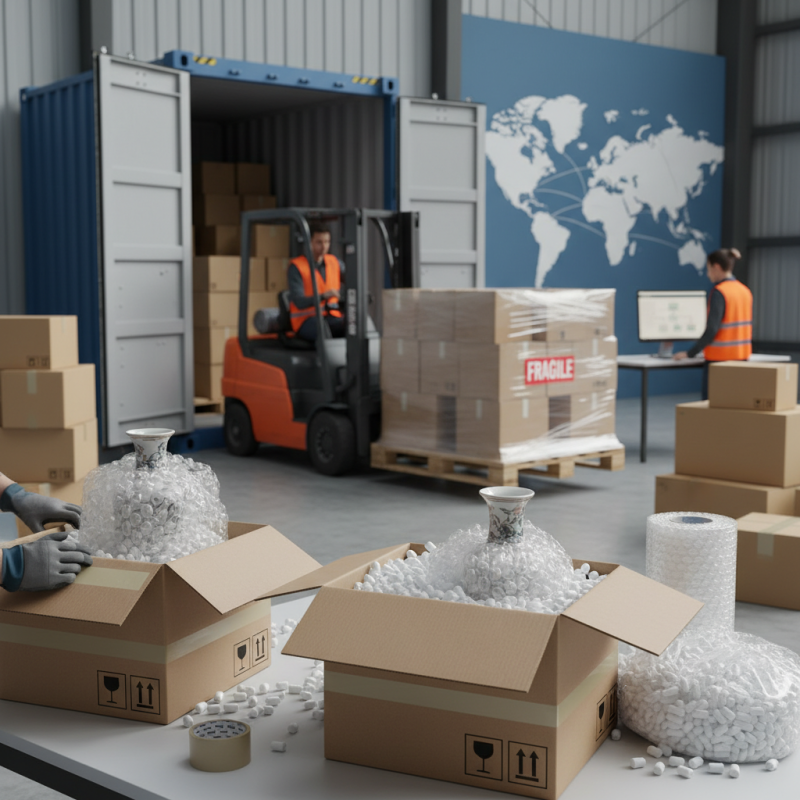
Shipping fragile goods internationally presents specific challenges. Understanding the unique qualities of these items is crucial for safe transportation. Fragile goods include glassware, ceramics, and electronic devices. These items can easily break or become damaged in transit. This vulnerability requires careful planning and execution.
The packaging of fragile goods plays a pivotal role. Using high-quality materials is important, but so is ensuring proper cushioning. Bubble wrap, foam inserts, and sturdy boxes are commonly used. However, even with good materials, mistakes can happen. Overpacking can cause damage just as easily as underpacking. It's essential to find a balance that protects without overwhelming.
Moreover, environmental factors can impact fragile items. Changes in temperature and humidity can cause significant damage. Diverse shipping routes expose goods to different conditions. Understanding the journey of these fragile items can minimize risks. Selecting the right shipping methods that offer climate control may add costs but can prevent loss. Shipping fragile goods demands attentiveness and adaptability. This highlights the need for continuous learning and improvement in shipping practices.
When shipping fragile goods internationally, selecting appropriate packaging materials is crucial. Start with sturdy cartons, as they provide excellent support. Reinforced boxes are a better option for heavier items. Use bubble wrap to cushion delicate objects. Wrap each item individually to prevent movement within the box. This step is often overlooked but is vital for safety.
Another effective method is using foam inserts. These can cradle items perfectly, preventing any shock during transit. Consider adding packing peanuts or air pillows as additional cushioning. This combination can significantly reduce the risk of damage. Remember, however, too much cushioning can lead to unnecessary weight and cost.
It's essential to test your packaging before finalizing your shipping method. This helps identify any weaknesses. While standard methods work for most, every item is unique. Evaluate the specific needs of your fragile goods. Doing so reduces the chance of unpleasant surprises during delivery.
| Packaging Material | Protection Level | Weight | Cost Efficiency | Sustainability |
|---|---|---|---|---|
| Bubble Wrap | High | Lightweight | Moderate | Recyclable |
| Foam Peanuts | High | Lightweight | Low | Not biodegradable |
| Cardboard Boxes | Moderate | Moderate | High | Recyclable |
| Wooden Crates | Very High | Heavy | Low | Sustainable if sourced ethically |
| Air Cushioning | High | Lightweight | Moderate | Recyclable |
When shipping fragile goods internationally, choosing the right method is crucial. Different shipping techniques offer varying levels of protection. Air freight is often the fastest but can be costly. Sea freight is cheaper but may expose items to longer transit times and potential damage. Carefully weigh the trade-offs between cost and speed.
Packaging plays a vital role in protecting your goods. Use sturdy boxes and plenty of padding materials. Bubble wrap, foam inserts, and cushioning are essential. However, even the best packaging can't guarantee safety during rough handling. Sometimes, despite precautions, items suffer damage. Think about this risk when weighing options.
Insurance is another factor to consider. Many carriers offer coverage for fragile items. However, the terms can be confusing. Understand what is covered and for how much. Some items may not be insured at all. Awareness of these details can help manage expectations and minimize losses.
When shipping fragile goods internationally, implementing insurance and tracking options is crucial. According to a report by the International Air Transport Association (IATA), about 5% of all shipments face damage. This underscores the importance of proper measures. Insurance can protect against financial loss due to breakage or damage. Coverage typically ranges from 80% to 100% of the item's value.
Choose a reliable shipping service that offers tracking features. Real-time tracking allows both shippers and recipients to monitor the package. This reduces anxiety and can prevent potential losses. Research shows that packages with tracking are less likely to go missing. A survey by Statista indicates 60% of customers expect tracking information for their shipments.
Still, there are challenges. Delays can occur even with advanced tracking systems. Not all insurance policies cover every scenario, leaving shippers vulnerable. It’s essential to read the fine print and choose coverage that aligns with your needs. Reflecting on these factors can help ensure the safe shipment of delicate items.
When shipping fragile goods internationally, proper labeling and handling are crucial.
Clear labels notify handlers about the care required. Use “Fragile” stickers on all sides of the package.
This simple step can significantly reduce the risk of damage during transit.
Tips for labeling include adding pictograms, like a broken glass icon.
These visuals reinforce the message and grab attention.
Ensure labels are secure and won’t peel off during shipping. It’s frustrating to find a package damaged due to improper handling.
Handling fragile shipments also requires care. Workers must be trained to understand the importance of such shipments.
Encourage them to handle packages gently and keep them upright when required.
Remember, the environment can be tricky. Changes in temperature and humidity can also affect fragile items,
so consider using cushioning materials like bubble wrap or foam inserts.
Sometimes, it's easy to overlook these details. Take a moment to double-check before shipping.
: Insurance protects against financial loss due to damage. It can cover 80% to 100% of the item's value.
Tracking allows shippers and recipients to monitor packages in real-time. It reduces anxiety and helps prevent losses.
A survey shows 60% of customers expect tracking for their shipments. This indicates a growing demand for transparency.
Delays can still occur despite advanced tracking. Not all insurance covers every scenario, leaving shippers potentially exposed.
Use “Fragile” stickers on all sides. Adding pictograms like a broken glass symbol can grab attention and increase caution.
Workers should handle fragile items gently and keep them upright. Proper training can help minimize damage during transit.
Changes in temperature and humidity may harm delicate items. Using cushioning materials is essential for added protection.
Improper handling can lead to damage. Labels inform handlers of the care required, reducing the risk of mishandling.
Double-check the labels and packaging. Neglecting details can lead to frustrating outcomes and damaged shipments.
Ensure that labels are secure and won’t peel off. Frustration stems from damaged packages due to inadequate labeling.
When considering what is the safest way to ship fragile goods internationally, it is essential to understand the nature of these items, as their delicate composition necessitates careful handling. Appropriate packaging materials, such as foam inserts, bubble wrap, and sturdy boxes, play a critical role in safeguarding fragile items during transit.
Additionally, selecting the right shipping method is vital; options that prioritize careful handling and offer tracking capabilities can enhance security. Implementing insurance for valuable shipments further mitigates risk. Lastly, adopting best practices for labeling and handling, such as clear "Fragile" markings, is crucial in ensuring that handlers take necessary precautions, ultimately contributing to a safer shipping experience for fragile goods.

StudioWare Logistics