International shipping has become increasingly unpredictable. Many businesses and consumers are asking: why is international shipping taking longer than expected? The complexities of global logistics have intensified. Factors like port congestion, labor shortages, and changing regulations significantly impact delivery times.
Shipping delays are not just numbers; they affect real lives. Businesses have faced increased costs and lost sales opportunities. Meanwhile, consumers experience frustration when waiting for essential goods. Supply chain disruptions caused by the pandemic still linger, adding to the complexity of shipping schedules.
The situation requires reflection on our logistics systems. Companies must adapt to shifting market demands and global conditions. Acknowledging these challenges is crucial for finding effective solutions. Understanding why shipping delays occur can lead to better planning and communication for all involved.
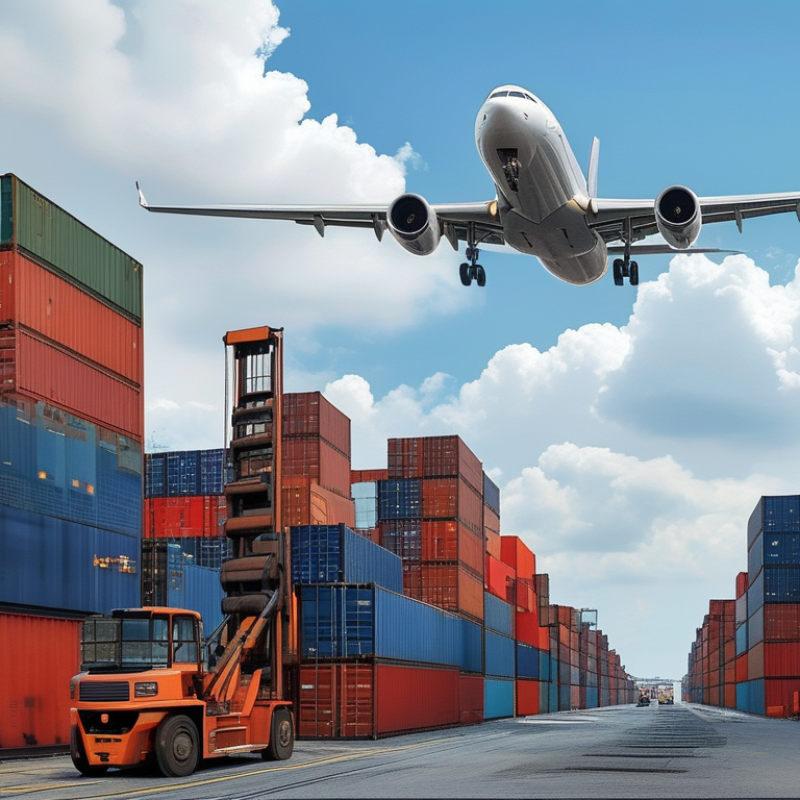
The Impact of Global Pandemic on Shipping Logistics
The global pandemic has dramatically reshaped shipping logistics. Port closures and labor shortages have created significant bottlenecks. Many shipping containers are stranded at various terminals. This situation leaves companies scrambling for solutions.
As countries experienced lockdowns, shipping schedules fell apart. Ships sat idle, waiting for cargo to be loaded or unloaded. Delays grew longer, and costs surged. Clear communication became crucial yet often muddled. Logistics providers faced unprecedented challenges, leading to slowdowns.
Flexibility in supply chains is now essential. Many have learned hard lessons about inventory management. Companies that relied heavily on just-in-time practices faced severe disruptions. Finding reliable shipping partners is more difficult than ever. The pandemic's impact on shipping logistics will continue to be felt for years.
Supply Chain Disruptions and Their Role in Delays
The current landscape of international shipping is fraught with delays, largely driven by significant supply chain disruptions. These disruptions stem from various causes, including the lasting effects of the pandemic, geopolitical tensions, and natural disasters. Ports worldwide face congestion, leading to long wait times for vessels. This bottleneck not only affects large shipments but also trickles down to smaller packages, impacting both businesses and consumers.
Labor shortages further complicate the situation. Many ports struggle to find available workers. This lack of manpower slows down loading and unloading processes, prolonging transit times. Equipment shortages, particularly in containers, add to the chaos. Many companies find themselves waiting for essential materials to arrive, stalling production cycles. This ripple effect demonstrates how interconnected our global supply chains are and how one delay can lead to significant ripple effects down the line.
Addressing these issues is complex and ongoing. While companies strive for efficiency, unexpected disruptions remind us of the vulnerabilities in global shipping. In the face of these challenges, flexibility and adaptability become crucial. Understanding the root causes helps all stakeholders, from manufacturers to consumers, to rethink their strategies. Exploring alternatives and diversifying sourcing may mitigate some effects of future disruptions.
Increased Demand for E-Commerce and Shipping Services
The surge in e-commerce has radically shifted shipping dynamics. With global e-commerce sales projected to reach $6.3 trillion in 2023, demand for shipping services is escalating. This increased workload has stressed logistics networks beyond their capacities. According to reports from the World Trade Organization, container shipping volumes have risen by over 8% in the past year.
However, the capacity challenges are glaring. Port congestion remains a significant issue, resulting from labor shortages and equipment delays. A recent analysis from the International Maritime Organization highlighted that over 75% of major container ports experienced severe congestion. Such bottlenecks slow down the entire shipping process, leaving many stranded.
The situation is complex. Online retailers face immense pressure to meet customer expectations for speedy deliveries. Yet, inconsistent supply routes and unpredictable delays undermine these efforts. Transparency in shipping timelines is now vital. Businesses need to rethink their strategies, adapting to this evolving landscape. More often than not, the solutions are not straightforward.
Global E-Commerce Growth and Shipping Delays (2020-2023)
This chart illustrates the growing demands of e-commerce in terms of percentage growth alongside the increasing number of shipping delays measured in days from 2020 to 2023. E-commerce has seen significant growth, which correlates with the increased delays in shipping due to heightened demand.
Port Congestion and Limited Workforce Availability
International shipping faces unprecedented delays, primarily due to port congestion and a limited workforce. According to industry reports, global shipping capacity has decreased by about 15% this year. Labor shortages at ports exacerbate delays, with many terminal operations running at only 60% of their usual staffing levels. This reduction hampers the unloading and loading processes.
Port congestion is not new but has reached alarming levels. The average wait time for ships at major ports now exceeds 10 days. In Los Angeles and Long Beach, the nation's busiest ports, ships are often anchored for over two weeks. These delays ripple through the supply chain, affecting inventory levels and driving up costs for businesses and consumers alike.
Tip: Stay informed about shipping schedules. Regular updates can help you manage expectations.
Another consideration is planning ahead. With limited workforce availability, consider seasonal trends. Peak times for shipping often lead to increased delays.
Tip: Assess your inventory needs early. This proactive approach can mitigate disruption.
Maintaining flexibility is crucial. Adjusting delivery timelines could save you from unexpected delays.
Changes in Shipping Regulations and Procedures
International shipping delays have surged, largely due to evolving shipping regulations and procedures. Recent reports indicate that 40% of shipping routes now experience longer than expected transit times. Complexity in global trade regulations compounds this issue. New compliance requirements often lead to slower customs processes, resulting in increased delays.
For instance, the International Maritime Organization has recently increased standards for emissions, complicating shipping logistics. Carriers must now adapt to stricter controls and environmental reporting. This puts additional pressure on companies to ensure compliance, leading to potential disruptions. Furthermore, port congestion has escalated, with some ports reporting a waiting time of up to 10 days for vessels to dock.
Tips: Always stay informed about changes in regulations. Regularly review your shipping practices to align with new compliance standards. This can significantly reduce delays. Consider using automated tracking solutions to enhance visibility on shipping progress. This helps you anticipate delays and inform customers accordingly. Proactive communication can turn a frustrating experience into a more manageable one.
FAQS
: The rise in global e-commerce sales is a primary factor, projected to reach $6.3 trillion in 2023.
Severe port congestion, worsened by labor shortages, has slowed shipping times, often leaving ships stranded for over 10 days.
Many ports operate at only 60% capacity, hindering the unloading and loading processes and causing significant delays.
Limited workforce availability during peak seasons can lead to increased delays and disrupt inventory management.
Regular updates on shipping schedules are vital for managing expectations and adapting to delays.
They need to maintain flexibility in delivery timelines and assess inventory needs early to mitigate disruptions.
Delays in shipping can lead to lower inventory levels, impacting businesses and driving up costs for consumers.
No, solutions are complex and require businesses to rethink strategies in light of changing shipping dynamics.
Heightened demand and delays in shipping can drive up costs for both businesses and consumers.
Transparency is vital to meeting customer expectations and navigating the challenges of unpredictable delays.
Conclusion
The global pandemic has significantly impacted shipping logistics, contributing to the question of why is international shipping taking longer than expected. A surge in e-commerce has escalated demand for shipping services, straining the already fragile supply chain. Coupled with this increased demand are substantial supply chain disruptions that have become prevalent during these times.
Moreover, port congestion has worsened due to limited workforce availability, hampering the efficiency of shipping operations. Additionally, changes in shipping regulations and procedures have introduced further complexities, complicating the movement of goods across borders. Together, these factors underscore the multifaceted challenges faced by the shipping industry, leading to prolonged delays in international shipping.

 StudioWare Logistics