How to Improve Delivery Speed for International Orders?

Time:2026-06-01 Author:Henry
0%

In today's global marketplace, businesses increasingly seek ways to enhance their logistical efficiency. A critical focus is on how to improve delivery speed for overseas orders. Consumers expect timely shipments, and delays can negatively impact customer satisfaction and loyalty. Many companies struggle to balance cost and speed, often leading to decisions that hinder performance.

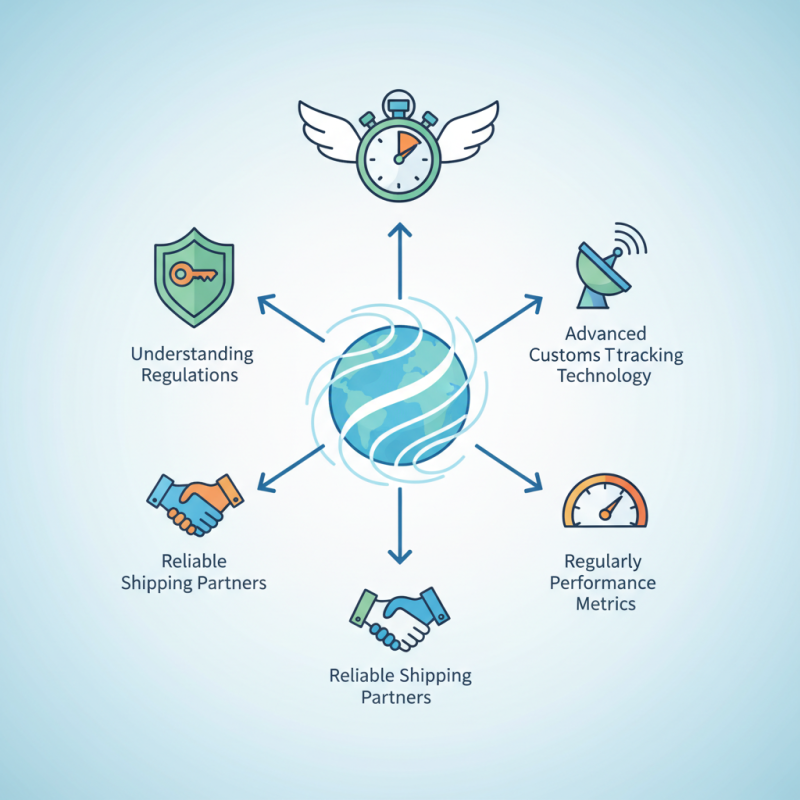
Effective strategies exist to streamline international shipping. Understanding customs regulations can prevent unforeseen delays. Utilizing advanced tracking technology helps both businesses and customers stay informed. Moreover, choosing reliable shipping partners is essential. These measures collectively enhance the overall delivery process.

Nevertheless, some businesses may overlook critical areas needing improvement. Regularly reviewing performance metrics is vital. It allows companies to identify weaknesses and make informed decisions. Focusing on how to improve delivery speed for overseas orders can be the difference between success and frustration in the competitive global market.
How to Improve Delivery Speed for International Orders?

Best Practices for Optimizing International Shipping Logistics

When it comes to optimizing international shipping logistics, understanding the challenges is crucial. Different countries have varied customs regulations, which can cause delays. Maintaining clear communication with carriers helps in overcoming these hurdles. Prioritizing the right shipping methods can significantly impact delivery speed.


Tips to improve shipping logistics include leveraging technology for tracking shipments. Real-time updates help customers stay informed. Monitoring shipping performance metrics is important too. Look for patterns in delays to identify problem areas. Collaborating with local partners can streamline customs clearance.


Another effective strategy is to evaluate your packaging. Using lightweight yet durable materials reduces shipping costs and speeds up transit times. Reliable labeling can hasten customs processing. It's vital to prepare for unforeseen delays, like extreme weather. Having contingency plans ensures a smoother operation. Each strategy requires feedback and iteration for continuous improvement.

Leveraging Technology for Real-Time Tracking in Global Deliveries

In today's global market, efficient delivery plays a pivotal role in customer satisfaction. Real-time tracking is one of the most effective technologies in enhancing international logistics. By utilizing GPS and IoT, businesses can offer customers precise updates on their orders. This technology provides transparency, which is crucial for building trust.

When customers can see the status of their orders, they feel more in control. They expect timely updates, but not all systems are flawless. Delays can still occur due to customs issues or weather conditions. Therefore, businesses must remain proactive. Automated notifications should inform customers of any changes, ensuring they are never left in the dark.

Additionally, integrating data analytics can improve delivery predictions. Analyzing past order trends helps identify potential bottlenecks. However, it's essential not to overlook human elements. Technology can enhance processes, but challenges often arise that require personal interaction. Balancing automated solutions with excellent customer service is essential for gaining a competitive edge.

Choosing the Right Shipping Partners for Fast International Services

Choosing the right shipping partners is crucial for improving delivery speed in international orders. Reliable partners can streamline processes and enhance customer satisfaction. Look for carriers that specialize in international logistics. They often have established networks that can reduce transit times. Research their track record on speed and reliability. Customer reviews can provide insight into their performance.

Consider the shipping options they offer. Some may provide express services for faster delivery, even if it costs more. It’s essential to balance cost and speed. Additionally, assess their tracking systems. Real-time tracking can keep customers informed and reduce anxiety. Yet, some systems have glitches. Investigate how frequently issues arise and how they are resolved.

Evaluating shipping partners requires ongoing reflection. It’s not just about choosing the fastest option but also about assessing overall reliability. Consider the countries you ship to frequently. Some regions have logistical challenges that can affect delivery times. Regularly review your partners’ performance. Adjust your strategy based on data and feedback. Continuous improvement is key to ensuring efficient service.

Customs Compliance: Streamlining Processes to Reduce Delays

Streamlining customs compliance is crucial for improving delivery speed in international orders. A well-organized approach to customs can reduce delays significantly. Many businesses overlook paperwork accuracy, leading to unexpected holdups. Accurate customs declarations can save time and resources. It is vital to ensure that all required documents are filled out correctly. Missing or incorrect information often triggers inspections, which can slow down shipments.

Collaboration with experienced customs brokers can enhance compliance efforts. They offer valuable insight into specific import regulations in various countries. By leveraging their expertise, companies can avoid common pitfalls. Regular training for staff involved in logistics is another effective strategy. Keeping everyone updated on changing regulations helps maintain compliance. However, even with training, mistakes can happen. Learning from these errors is essential for continuous improvement.

Implementing technology solutions can assist in streamlining customs processes. Customs management software automates documentation and tracks shipment statuses. This reduces manual errors and enhances workflow efficiency. Yet, technology is not a silver bullet; it requires consistent monitoring. Relying solely on automated systems without oversight can lead to neglecting critical checks. Balancing automation with human input ensures a smooth customs process, ultimately improving delivery speeds.

Delivery Speed for International Orders

This chart displays the average delivery speed in days for international orders during various months, highlighting the importance of customs compliance in reducing delays.

Implementing Efficient Packaging and Inventory Management Strategies

Efficient packaging and inventory management can significantly enhance delivery speed for international orders. Streamlined packaging ensures that products are protected while minimizing weight and space. This approach not only reduces shipping costs but also accelerates transit times. Utilizing flat-pack designs or biodegradable materials can create a positive impact, aligning with sustainability trends.

Tips: Always measure your packaging. It can lead to better shipping rates and prevent delays. Adjust your packaging based on the product's fragility. A delicate item might need more cushioning, while others require less. Continuous evaluation of your packaging strategy allows room for improvement.

Inventory management plays a crucial role in order fulfillment. Real-time tracking systems help identify stock levels and predict demand fluctuations. When your inventory is organized, it prevents backorders, leading to faster processing. However, reliance on technology can sometimes lead to errors. Manual checks ensure accuracy and highlight discrepancies.

Tips: Implement a periodic review of stock. This avoids overstocking or running out of popular items. A clear layout in your warehouse saves time for employees. It enables quicker access and boosts overall efficiency. Balancing between manual and automated processes is key for effective inventory management.

How to Improve Delivery Speed for International Orders?

Strategy Description Impact on Delivery Speed Implementation Cost
Efficient Packaging Use lightweight and minimal packaging materials to reduce shipping weight. Decrease in overall shipping time due to weight reduction. Low
Advanced Inventory Management Utilize inventory management software to track stock levels and automate reordering. Faster fulfillment and reduced risk of stockouts. Medium
Local Distribution Centers Establish local warehouses in key regions to expedite order processing. Significant decrease in international shipping times. High
Choosing the Right Carriers Partner with reliable logistics providers to optimize shipping routes. Improved reliability and speed of deliveries. Medium
Order Consolidation Combine multiple orders into one shipment to save time and reduce costs. Faster processing and shipping due to lower volume of shipments. Low

FAQS

: What is the role of real-time tracking in deliveries?

: Real-time tracking enhances customer satisfaction by providing precise order updates. It builds trust through transparency.

How can delays in delivery be minimized?

Proactive notifications can inform customers about changes. Stay updated on customs and weather issues to mitigate delays.

Why is accurate customs compliance important?

Accurate customs paperwork reduces unexpected holdups, saving time and resources. Mistakes can lead to inspections and delays.

How can businesses improve customs compliance?

Collaborating with experienced customs brokers helps navigate regulations. Regular staff training is essential for maintaining compliance.

What packaging strategies enhance delivery speed?

Efficient packaging protects products while minimizing weight. This approach reduces shipping costs and accelerates transit times.

Why is inventory management crucial for orders?

Organized inventory prevents backorders and facilitates quicker processing. Real-time systems help identify stock levels accurately.

How can technology help in customs processes?

Customs management software automates documentation, reducing errors. However, it requires regular monitoring and oversight.

What are the risks of over-relying on automated systems?

Sole reliance on automation can lead to neglect in critical checks. It’s important to balance technology with human input.

What can be done to improve packaging effectiveness?

Measure packaging to enhance shipping rates and prevent delays. Adjust protection levels based on product fragility.

How can businesses maintain efficiency in logistics?

Periodic reviews of stock and clear warehouse layouts boost efficiency. Balancing manual checks and automated processes is essential.

Conclusion

In today's global marketplace, understanding how to improve delivery speed for overseas orders is crucial for businesses aiming to satisfy their customers and remain competitive. Best practices for optimizing international shipping logistics include streamlining operations and enhancing supply chain efficiency. Leveraging technology for real-time tracking can significantly improve visibility, allowing businesses and customers to monitor their shipments closely.

Choosing the right shipping partners is vital for ensuring fast international services, as reliable carriers can facilitate quicker transit times. Additionally, addressing customs compliance by streamlining processes helps to reduce delays at international borders. Finally, implementing efficient packaging and inventory management strategies not only protects products during transit but also enhances overall delivery efficiency. By focusing on these key areas, companies can effectively enhance their international order delivery speed and improve customer experiences.

Henry

Henry

Henry is a dedicated marketing professional with a profound expertise in the company's offerings. With years of experience in the industry, he possesses an impressive understanding of the market dynamics and consumer behaviors that drive success. Henry is committed to sharing his insights through......