How Does Temperature Controlled Shipping Work in 2026?

Time:2026-10-18 Author:Ethan
0%

In 2026, temperature-controlled shipping protects products from factory doors to receiving docks. But how does temperature controlled shipping work in real operations? It begins with a defined temperature range, validated packaging, and a documented transport plan. Many refrigerated medicines travel between 2°C and 8°C. Frozen products may require -20°C or colder. Biologics can demand even tighter limits.

The World Health Organization has reported that nearly 50% of vaccines may be wasted globally each year, partly because of temperature and logistics failures. This figure is older, but the warning remains relevant. WHO guidance recommends continuous monitoring, calibrated equipment, and trained personnel. IATA’s Temperature Control Regulations also emphasize standardized handling, acceptance checks, and airport coordination. A shipment may include insulated containers, phase-change materials, gel packs, and an electronic data logger. The logger records conditions inside the package, not merely outside the aircraft.

Modern carriers add GPS visibility, IoT sensors, predictive alerts, and lane-risk analysis. A warehouse worker checks the seal, scans the shipment, and confirms the logger before loading. At a transfer hub, staff may move the container into a chilled room within minutes. Small delays matter.

No system is perfect. Packaging can be validated, yet poorly handled. Sensors can report data, yet miss a damaged product. That assumption deserves scrutiny. Reliable shipping therefore combines engineering, human training, contingency planning, and clear excursion procedures. Reports from WHO, IATA, and major healthcare logistics providers show the same lesson: cold-chain performance depends on every handoff, not one impressive technology.
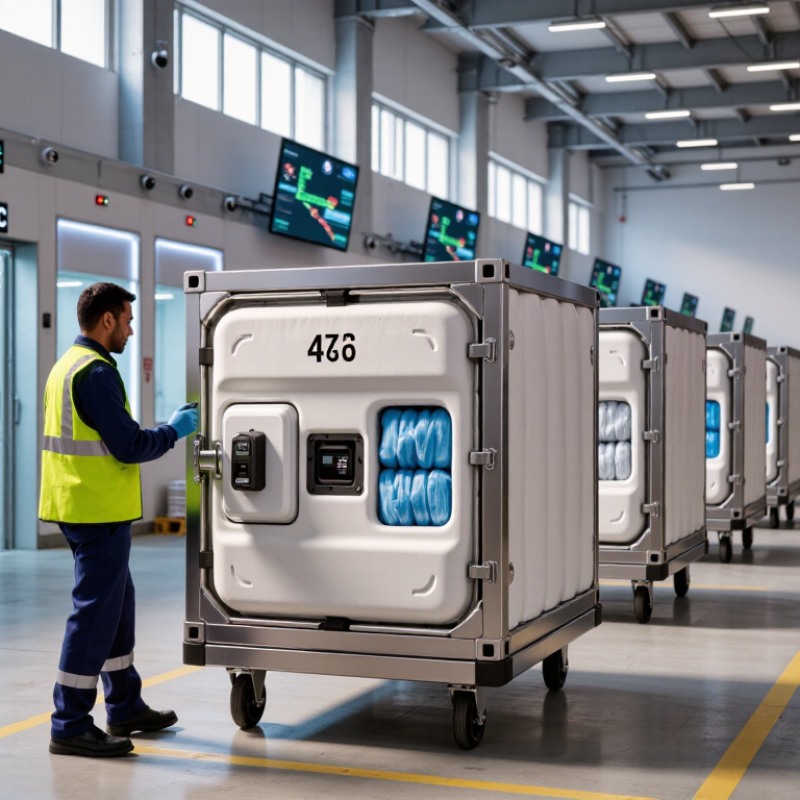
How Does Temperature Controlled Shipping Work in 2026?

Temperature-Controlled Shipping Classes: 2–8°C, 15–25°C, and −60°C to −90°C

How Does Temperature Controlled Shipping Work in 2026?

Temperature-Controlled Shipping Classes: 2–8°C, 15–25°C, and −60°C to −90°C

Temperature-controlled shipping begins with the product’s validated temperature range, not the shipping container. For 2–8°C shipments, insulated packaging, conditioned cool packs, and calibrated sensors help protect sensitive materials. The shipper must prevent direct contact with frozen packs. Otherwise, the product may freeze near the package wall.

The 15–25°C class usually supports controlled room-temperature goods. These shipments may need insulation during summer heat or winter cold. Data loggers record conditions throughout packing, transit, and delivery. In practice, handoff delays create more risk than normal transport time. A package can leave a qualified facility correctly, then sit beside a loading door for hours.

The −60°C to −90°C range requires a far stricter system. Dry ice or specialized mechanical equipment maintains deep-frozen conditions. Packaging must allow safe ventilation and enough cooling capacity for the planned route. Teams should review sensor placement, replenishment timing, and airport delays before dispatch. Small details matter.

A sensor reading alone does not prove product quality. Staff must examine the complete temperature history and compare it with approved excursion limits. Those limits should come from stability data, not guesswork. Sometimes, shipment records reveal weak assumptions. A previously successful route may fail during a heatwave, weekend delay, or unexpected transfer. Continuous monitoring improves decisions, but it cannot replace trained handling and realistic route qualification.

How Does Temperature-Controlled Shipping Work in 2026?

Temperature-controlled shipments are assigned an operating range, monitored during transit, and reviewed against the required limits at delivery. The chart shows three widely used pharmaceutical and life-science shipping bands in degrees Celsius.

Interpretation: Cold-chain products are commonly maintained at 2–8°C, controlled-room-temperature products at 15–25°C, and deep-frozen products at approximately −60°C to −90°C. Actual limits depend on the product specification, packaging qualification, and applicable regulations.

How GDP Standards Define Product Limits, Stability Data, and Lane Qualification

How Does Temperature Controlled Shipping Work in 2026?

GDP standards define temperature-controlled shipping through evidence, not assumptions. A product’s permitted range usually comes from its approved labeling, manufacturer data, and stability studies. Common ranges may include 2–8°C, controlled room temperature, or frozen conditions. The number alone is not enough. Teams must understand how long a product can tolerate heat, cold, light, or brief excursions.

Stability data should reflect real storage and transport risks. Studies may examine potency, appearance, moisture, and chemical degradation over time. They also help establish excursion limits, such as 15 minutes above the target range. These limits must be documented and scientifically justified. A vague instruction like “keep cool” is not reliable. It creates room for inconsistent decisions.

Lane qualification tests the complete journey, including packing, handling, customs delays, and delivery. Professionals review temperature mapping, seasonal conditions, transit duration, and monitoring records. They may use calibrated data loggers inside the shipment and near vulnerable points. Real routes vary. That matters. A qualified lane can still fail when a flight is delayed or a package sits on a hot loading dock. This is where GDP practice becomes practical judgment, not paperwork alone. Investigators should compare the excursion with stability evidence before deciding whether the product remains suitable. Not every alarm means automatic rejection. Not every short deviation is harmless. Some qualification plans remain too tidy for messy transport conditions, so periodic review and honest risk assessment are essential.

How Packaging Maintains Temperature with −78.5°C Dry Ice and Phase-Change Packs

How Does Temperature Controlled Shipping Work in 2026?

Temperature-controlled shipping begins with choosing the correct coolant. Dry ice stays near −78.5°C while it sublimates, creating a very cold environment without becoming liquid. It suits frozen shipments, but it can damage sensitive products through direct contact. Phase-change packs work differently. They absorb heat while melting or solidifying at a selected temperature, such as 2–8°C or 15–25°C. The package normally uses an insulated container, coolant, payload space, and a temperature logger. The logger records reality, not assumptions.

The World Health Organization has reported that roughly half of vaccines may be wasted globally, with temperature control failures among the major causes. The 2024 IATA Temperature Control Regulations also highlight dry-ice handling, ventilation, labeling, and quantity controls.

These requirements show one important point: −78.5°C does not mean the product itself remains at −78.5°C. Good packaging creates a controlled thermal zone. It does not perform magic.

In field practice, poor preconditioning remains a common weakness. One frozen pack can create a cold spot beside the product.

Tips: Precondition phase-change packs according to their validated instructions. Keep dry ice away from direct product contact. Place sensors near the payload, not beside the coolant. Record loading time, ambient exposure, and delivery time. Review every temperature excursion with stability data, because an isolated alarm may not prove product damage. A small mistake matters. Validation should reflect real routes, seasonal heat, delays, and imperfect handling.

How IoT Sensors Record Excursions, Location, Humidity, and 15-Minute Readings

Temperature-controlled shipping now depends on more than insulated packaging. IoT sensors travel inside cartons, pallets, or containers, recording temperature, humidity, location, and handling events. Many systems capture readings every 15 minutes, creating a time-stamped chain of evidence. A sudden rise from 2°C to 8°C may indicate a delayed transfer, open door, or failed cooling unit.

The data becomes useful only when teams interpret it quickly. Geofencing can flag unexpected route changes, while humidity readings expose condensation risks inside packaging. Sensors transmit alerts through cellular, satellite, or low-power networks, depending on coverage. The World Health Organization has reported that about 50% of vaccines are wasted globally, with temperature control among the contributing risks. The figure is broad, but it shows the operational stakes.

Data quality still needs judgment. A sensor may record 15-minute readings but miss a short excursion between intervals. Calibration errors can also create false alarms. WHO’s Vaccine Management Handbook and the U.S. Food and Drug Administration’s data-integrity guidance both emphasize calibrated equipment, audit trails, and documented corrective actions. In practice, I review the graph, route history, packaging condition, and receiving notes together. One number rarely tells the whole story. Humidity is often overlooked.

How IATA CEIV and WHO GDP Verify 2026 Cold-Chain Compliance and Data Integrity

In 2026, temperature-controlled shipping depends on more than refrigerated trucks and insulated boxes. It depends on verified processes. IATA CEIV assessments examine facilities, equipment, staff training, handling procedures, and quality systems across the transport chain. WHO GDP guidance adds documented risk management, temperature mapping, calibrated devices, deviation review, and corrective action. These controls matter as air cargo demand expands. IATA’s 2024 market analysis reported an 11.3% increase in global air-cargo demand.

The data trail must be as reliable as the temperature itself. A compliant shipment should record probe identity, calibration status, location, timestamps, alarms, and handover conditions. WHO Technical Report Series No. 961, Annex 9, supports controlled storage and transport using qualified equipment and documented monitoring. Electronic records should preserve original values, user actions, audit trails, and review dates. A smooth graph is not enough. It may hide a late sensor start.

During a CEIV-style review, auditors may compare logger data with warehouse scans, flight milestones, and receiving records. GDP verification then tests whether staff investigated excursions properly, assessed product impact, and completed corrective actions. A 3°C reading at departure proves little if the probe sat beside the door. I have seen teams trust dashboards before checking sensor placement. That habit needs challenging. Strong compliance combines independent certification, GDP discipline, and honest data review at every handoff. Mistakes still happen. The system must make them visible.

FAQS

What temperature range is used for chilled shipments?

Chilled shipments commonly use 2–8°C. Insulated packaging and conditioned cool packs help maintain this range. Avoid direct pack contact. Otherwise, the product may freeze near the package wall.

What does controlled room temperature mean?

Controlled room temperature usually means 15–25°C. Insulation may be necessary during hot summers or cold winters. Data loggers record conditions during packing, transit, and delivery. The range alone does not explain every risk.

How are deep-frozen shipments maintained?

Shipments between −60°C and −90°C need dry ice or specialized mechanical equipment. Packaging requires enough cooling capacity for the planned route. It must also allow safe ventilation. Small details matter.

Why are handoff delays dangerous?

Handoff delays can expose packages to uncontrolled conditions. A shipment may sit beside a loading door for hours. That risk can exceed normal transport time. Delays deserve serious planning.

Does one sensor reading prove product quality?

No. A single reading cannot prove quality. Teams should review the complete temperature history and approved excursion limits. Sensor placement also matters. Data needs context.

Where do excursion limits come from?

Excursion limits should come from stability studies and approved product information. Studies may assess potency, appearance, moisture, and chemical degradation. A vague instruction like “keep cool” is inadequate. Guesswork creates inconsistent decisions.

What does lane qualification examine?

Lane qualification examines the complete journey. It includes packing, handling, customs delays, transit time, and delivery. Teams should review seasonal conditions and temperature mapping. A qualified route can still fail.

Does every temperature alarm require rejection?

Not always. Staff should compare the excursion with stability evidence and approved limits. A short deviation may be acceptable. A longer deviation may not be. We should avoid automatic decisions.

Conclusion

How does temperature controlled shipping work? It begins by matching each product with the correct temperature class, such as 2–8°C for refrigerated goods, 15–25°C for controlled room temperature products, or −60°C to −90°C for deep-frozen materials. GDP standards establish acceptable product limits, supported by stability data and qualified shipping lanes. These requirements help determine handling procedures, transit duration, and responses to unexpected temperature changes.

Packaging systems maintain conditions through insulated containers, phase-change packs, and dry ice at approximately −78.5°C when appropriate. IoT sensors continuously record temperature, location, humidity, and readings at intervals such as every 15 minutes, creating an auditable shipment history. At each stage, documented procedures, trained personnel, and data integrity controls support compliance. Independent assessments based on IATA CEIV and WHO GDP principles help verify that packaging, monitoring, storage, transport, and excursion management consistently protect product quality throughout the cold chain.

Ethan

Ethan

Ethan is a seasoned marketing professional with a deep expertise in our company's innovative product line. With a passion for sharing knowledge and insights, he takes the lead in regularly updating our corporate blog, where he explores industry trends, product features, and effective marketing......