Top Fastest Ways to Ship Goods from China in 2026?

Time:2026-04-13 Author:Amelia
0%

In 2026, businesses are seeking efficient ways to ship goods from China. With the global marketplace ever-evolving, understanding logistics is crucial. What is the fastest way to ship goods from China? Industry expert Henry Liu emphasizes, "Speed and reliability are key to global logistics success."

Experts believe air freight is the quickest method. It offers speed, yet can be costly. Conversely, sea freight remains cheaper, but slower. Finding a balance between cost and efficiency is the challenge many face today.

Modern technology plays a significant role. Real-time tracking and automated procedures can enhance shipping times. Yet, despite advancements, one must constantly reassess strategies. This industry is not without its flaws. Bottlenecks and delays can still occur. Adapting to changes and learning from setbacks is vital for future success.
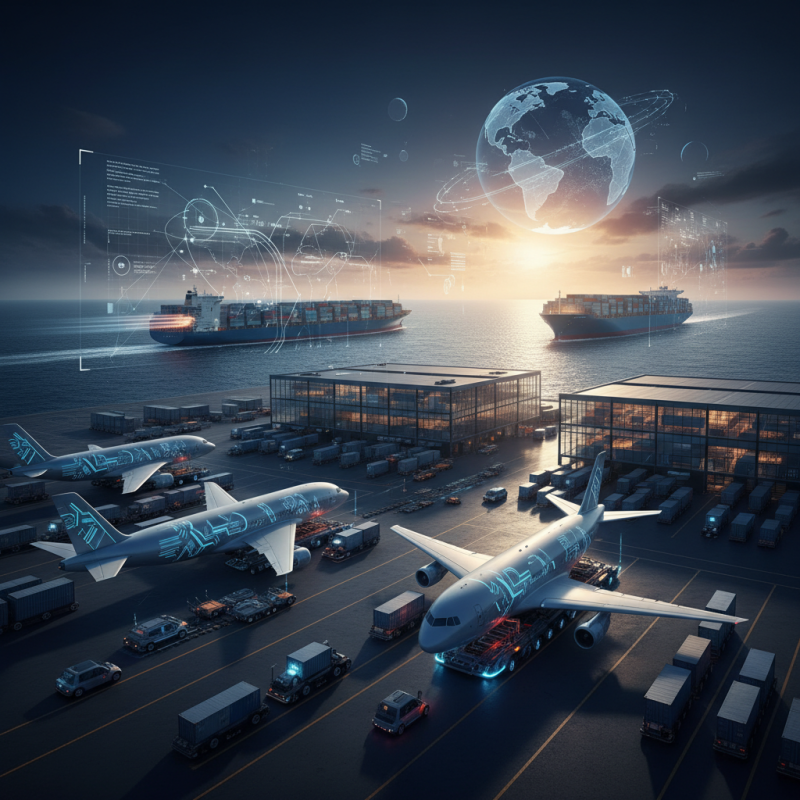
Top Fastest Ways to Ship Goods from China in 2026?

Overview of Shipping Methods from China in 2026

In 2026, shipping goods from China presents various methods, each with distinct advantages and drawbacks. Air freight remains the fastest option, often delivering goods within 3-5 days. Reports indicate that air cargo volume is expected to reach 80 million tons annually by 2026. The cost, however, can be prohibitive compared to sea freight, which typically takes several weeks but offers significant savings for bulk shipments.

Sea freight continues to dominate global shipping. It accounts for about 90% of international trade by volume, according to industry statistics. In 2026, this method will still be the most efficient for large shipments. However, transit times can vary greatly due to port congestion or labor issues. It’s essential to consider these factors when planning. Inland transportation adds another layer to the logistics puzzle. Delays in this phase can disrupt the entire supply chain.

Rail freight is gaining traction as an alternative to traditional methods. The China-Europe rail service shortens shipping time to around 12-20 days. Despite this, its reliability can fluctuate. Lastly, integrating technology into shipping processes offers creative solutions. Blockchain and IoT improve traceability and transparency, yet adoption rates remain uneven across the industry. Understanding these aspects is crucial for optimizing shipping strategies in the coming years.

Comparison of Air, Sea, and Rail Freight for Speed

When shipping goods from China, choosing the right freight method is vital. Air freight is the fastest option, typically taking 1-3 days. This speed is ideal for urgent deliveries. However, costs can be prohibitive. According to the International Air Transport Association, air freight accounts for just 0.5% of global trade volume but generates over 35% of trade value.

Sea freight is slower, taking 20-40 days, but it’s more economical for large shipments. Reports indicate that shipping costs by sea have continued to rise, impacting the overall logistics costs significantly. Rail freight emerges as a middle ground. It takes about 10-15 days, positioning it as a viable alternative. While it’s faster than sea and cheaper than air, it’s less flexible in terms of routes.

Logistics efficiency is paramount in 2026. Yet, companies often grapple with choosing the best mode. Many overlook hidden costs, such as delays or port congestion. With evolving trade dynamics, understanding these factors is crucial for effective decision-making.

Top Fastest Ways to Ship Goods from China in 2026

Shipping Method Average Transit Time Cost per kg Ideal for
Air Freight 1-3 days $5.00 - $10.00 Urgent shipments
Sea Freight 20-40 days $0.10 - $0.50 Large bulk shipments
Rail Freight 10-20 days $0.30 - $1.00 Intercontinental shipments
Express Courier 2-5 days $10.00 - $20.00 Small, urgent parcels

Emerging Technologies Influencing Fast Shipping

In 2026, shipping goods from China will be transformed by emerging technologies. Automated drones may dominate the airspace, enabling faster deliveries. A recent industry report from Statista forecasts that drone shipping could reduce transit times by up to 70% over traditional methods. These drones can navigate direct routes, bypassing traffic and minimizing delays.

Artificial intelligence (AI) also plays a key role in optimizing shipping processes. AI algorithms analyze logistics data to predict bottlenecks. For instance, a 2023 report indicated that AI-driven systems can improve shipping efficiency by as much as 30%. This technology enables companies to make real-time adjustments, ensuring on-time arrivals.

Yet, challenges remain. Security and regulatory issues can slow the adoption of these technologies. While industries are eager to embrace innovation, the integration of AI and drones requires a careful approach. Balancing efficiency and compliance is crucial. As we move forward, companies will need to refine their strategies. Learning from both successes and missteps will shape the future landscape of shipping from China.

Regulatory Considerations for Expedited Shipping

When shipping goods from China, regulatory considerations play a crucial role. Understanding customs regulations is essential. Different countries have unique import rules. These rules can affect the speed and cost of shipping. For expedited shipping options, compliance with regulations is non-negotiable. One misstep can lead to delays.

Documentation is a key component. Accurate invoices and certificates are vital for smooth transit. Often, companies overlook nuances in regulations. Improper documentation can lead to customs holds. This directly impacts delivery timelines. Staying informed about changes in trade policies is equally important. Regulations can shift, and businesses must adapt accordingly.

Choosing the right shipping method is interconnected with regulatory compliance. Air freight offers speed, yet comes with stringent customs checks. Understanding duties and taxes is another factor. High costs can deter businesses from choosing expedited options. Ignoring these can lead to financial loss and damaged relationships with clients. Remaining vigilant and proactive in regulatory aspects is not just advisable; it's essential for success in global trade.

Top Fastest Ways to Ship Goods from China in 2026

Cost Analysis of Fast Shipping Options from China

In 2026, shipping options from China are evolving rapidly. Fast shipping methods like air freight and express couriers remain prominent. According to industry reports, air freight accounts for about 30% of global shipping in terms of value. This method is efficient but costly. The average cost per kilogram can range from $5 to $15, depending on distance and urgency.

Sea freight also plays a critical role. While slower, it is significantly cheaper for bulk shipments. Tapping into trend data, the cost of container shipping from China is averaging around $1,500 to $3,000 for a 20-foot container. With increased demand, costs may fluctuate, leading to potential budgetary concerns for businesses.

It's essential to weigh these options carefully. Choosing a fast shipping method can be beneficial for urgent needs but may not be sustainable for all shipments. Some companies overlook the importance of planning and often face unexpected charges. Reducing costs is possible, but it requires thoughtful decision-making and understanding market dynamics. Businesses must evaluate the balance between speed, reliability, and cost-effectiveness.

FAQS

: What is the fastest shipping method from China?

: Air freight is the fastest, usually delivering in 3-5 days.

How much air cargo volume is expected by 2026?

Air cargo volume could reach 80 million tons annually by 2026.

Why is sea freight still popular for shipping?

Sea freight accounts for about 90% of international trade by volume, ideal for large shipments.

What are some issues with sea freight?

Transit times can vary due to port congestion or labor issues, causing delays.

How does rail freight compare to other methods?

Rail freight takes 12-20 days and is becoming a viable alternative but may be unreliable.

Why is technology important in shipping?

Technologies like blockchain and IoT enhance traceability and transparency but are not widely adopted.

What role do customs regulations play in shipping?

Understanding customs regulations is key. Errors can lead to delays and increased shipping costs.

How important is documentation for shipping?

Accurate documentation is critical. Mistakes can result in customs holds and delivery delays.

What happens if you ignore shipping regulations?

Ignoring regulations can lead to financial losses and damaged client relationships.

What should businesses do to succeed in global trade?

Staying informed and proactive about regulations is essential for success in logistics and shipping.

Conclusion

In 2026, the landscape of shipping goods from China is shaped by diverse methods, each offering distinct advantages in terms of speed and efficiency. Among these, air freight remains the fastest way to ship goods from China, providing rapid delivery for urgent needs despite higher costs. In contrast, sea freight, while slower, offers a more economical option for larger shipments, making it a viable choice for many businesses. Rail freight is emerging as a competitive middle ground, combining reasonable speed and cost-effectiveness.

Emerging technologies, such as automated logistics systems and drones, are set to revolutionize fast shipping, increasing efficiency in the transport process. Additionally, companies must navigate regulatory considerations that impact expedited shipping and understand the cost dynamics associated with various methods. Ultimately, understanding what is the fastest way to ship goods from China will empower businesses to make informed decisions tailored to their shipping needs in an evolving global market.

Amelia

Amelia

Amelia is a seasoned marketing professional with a wealth of expertise in our company’s core offerings. With an unwavering passion for driving growth and innovation, she plays a pivotal role in shaping our marketing strategies and enhancing brand visibility. A key aspect of her responsibilities......