What Affects International Shipping Time Reliability Factors?

Time:2026-05-05 Author:Sienna
0%

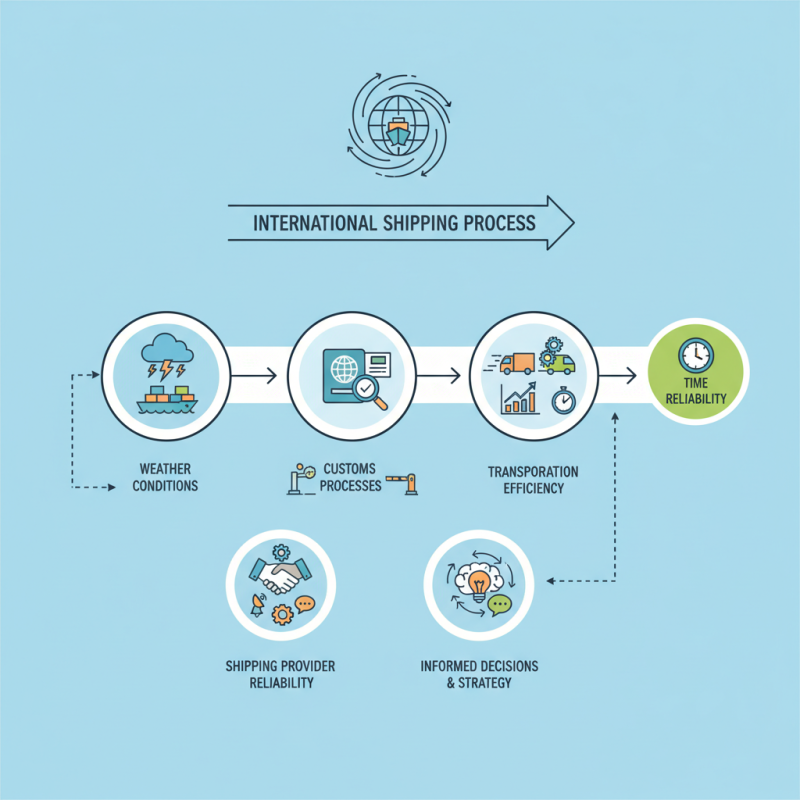
International shipping plays a crucial role in global trade. However, understanding what affects international shipping time reliability is essential for businesses and consumers alike. Delays in shipping can disrupt supply chains and lead to financial losses. Various factors contribute to these delays, including weather conditions, customs processes, and transportation efficiency.

The logistics involved in international shipping are complex. Each stage of transport has potential pitfalls that can impact delivery times. For instance, unforeseen weather events can hinder transportation routes. Additionally, customs clearance can add unexpected delays. Companies must navigate these challenges while striving to maintain reliability.

Furthermore, it's vital to recognize that not all shipping providers are equally reliable. Some may have better tracking systems and customer service. By examining what affects international shipping time reliability, businesses can make informed decisions. This awareness can lead to improved partnerships and more effective supply chain strategies. As global commerce continues to grow, understanding these factors becomes increasingly important.
What Affects International Shipping Time Reliability Factors?

Factors Influencing International Shipping Time Reliability

International shipping time reliability is influenced by several key factors. Weather conditions often play a significant role. Adverse weather can delay shipments. For instance, storms or heavy snow can hinder transport routes. Similarly, port congestion can lead to longer waiting times. Cargo that arrives late can affect the entire supply chain.

Another important factor is customs processing. Each country has its own regulations. Delays at customs can arise from incomplete documentation. Inspections can also lengthen the shipping time. Companies need to ensure all paperwork is accurate and complete to reduce these delays.

Finally, the choice of shipping methods contributes to reliability. Air freight is generally faster but more expensive. Sea freight is cost-effective but slower. Balancing cost and speed is essential for businesses. Companies often need to reevaluate their shipping strategies based on changing circumstances. Understanding these factors can help improve reliability in international shipping.

Logistics and Supply Chain Management Impact

Logistics and supply chain management play crucial roles in international shipping time reliability. A report by the World Bank indicates that effective logistics can reduce shipping times by nearly 30%. However, delays often stem from various factors, including port congestion and customs clearance. In fact, over 20% of shipments face delays due to bureaucratic processes.


Moreover, technology integration is vital for enhancing shipping reliability. Companies using advanced tracking systems report a 40% decrease in lost packages. Yet, many businesses remain hesitant to adopt these technologies fully, resulting in inefficiencies. Collaboration between logistics providers and shipper companies is essential. Reports indicate that 75% of delays can be traced back to poor communication between stakeholders.


Environmental factors also impact shipping times. Adverse weather conditions can lead to unpredicted delays. According to the Logistics Management report, about 15% of shipments experience disruptions due to weather. Hence, supply chain risk management has become increasingly important. While strategies exist, their implementation often highlights gaps in preparedness among companies.

Role of Weather Conditions in Shipping Delays

Weather conditions significantly impact international shipping times. Storms, fog, and heavy rainfall can delay vessels at sea and in ports. For example, hurricanes often force ships to alter their routes or seek shelter. This diversification leads to unexpected delays, disrupting logistics planning.

Fog can drastically reduce visibility. Many ships are forced to slow down or anchor until conditions improve. Such delays create a ripple effect on delivery schedules. Heavy rainfall can also affect infrastructure. Flooded ports or damaged roads hinder the movement of goods.

Even with advanced forecasting technology, not all weather events can be predicted accurately. Shippers must be flexible and ready to adapt to changes. The unpredictable nature of weather makes it a constant challenge in shipping logistics. Understanding these factors is crucial for better managing expectations.

Customs Procedures and Regulatory Compliance Issues

Customs procedures and regulatory compliance significantly affect international shipping reliability. When goods cross borders, they must conform to specific rules. Each country has its own regulations, which can vary tremendously. This variability sometimes leads to delays, as shipments await necessary documentation.

Inadequate paperwork is a common issue. Many shippers fail to provide all required documents. Missing invoices or incorrect declarations can halt the movement of goods. This situation can frustrate shipping companies and clients alike. Authorities may detain shipments, which worsens time reliability. Misunderstanding regulations can further complicate matters, especially for those new to international trade.

It's essential to stay informed about compliance requirements. Regular updates from government agencies can provide valuable information. However, not all companies prioritize this knowledge. Some underestimate the complexity of customs procedures.

Ultimately, it is critical for businesses to invest in training about these regulations. A proactive approach can enhance shipping reliability and reduce unexpected delays.

Technological Advancements and Their Effect on Delivery Times

Technology plays a crucial role in shaping international shipping time reliability. Innovations streamline logistics, enhancing tracking and communication. For instance, advanced GPS systems allow real-time monitoring of shipments. This enables proactive problem-solving. However, such systems also introduce complexities that can lead to unexpected delays.

AI and machine learning optimize routes by analyzing numerous variables. Yet, reliance on algorithms may overlook local conditions, such as weather or traffic. These factors can disrupt estimated arrival times. As technology evolves, human oversight remains vital to ensure reliable deliveries.

**Tip:** Always check the tracking updates. This minimizes anxiety and prepares you for any potential changes in delivery timings.

Innovative warehouse management systems reduce handling times. Nevertheless, technology can fail due to malfunctions or cyber threats. Such vulnerabilities can compromise shipping efficiency.

**Tip:** Build flexible timelines around shipping expectations. This approach accommodates unforeseen delays while maintaining customer satisfaction.

Factors Affecting International Shipping Time Reliability

FAQS

: How does logistics management affect shipping times?

: Effective logistics can reduce shipping times by nearly 30%. Delays still occur due to port congestion and customs.

What common issues cause shipment delays?

Bureaucratic processes delay over 20% of shipments. Inadequate paperwork also causes frustrations for shipping companies.

Why is technology integration important in logistics?

Companies using advanced tracking systems report a 40% decrease in lost packages. Yet, many are hesitant to adopt these technologies.

How does weather impact shipping reliability?

Adverse weather conditions lead to unpredicted delays. About 15% of shipments face disruptions due to such factors.

What role do customs procedures play in shipping delays?

Each country has specific regulations. Missing or incorrect documentation can cause goods to be detained and frustrate clients.

How can businesses improve their understanding of customs regulations?

Staying informed through regular updates from government agencies is essential. Some companies underestimate the complexity of these procedures.

What are the risks of relying solely on technology for shipping?

Although technology optimizes routing, it may overlook local conditions. Human oversight is necessary to ensure reliable deliveries.

How can proactive approaches enhance shipping reliability?

Investing in training about compliance regulations can decrease unexpected delays. Being proactive is crucial for improving reliability.

What should businesses consider when building shipping timelines?

Creating flexible timelines accommodates unforeseen delays. This helps maintain customer satisfaction despite unexpected issues.

Conclusion

The reliability of international shipping times is influenced by a multitude of factors that can cause significant delays. One of the primary considerations is logistics and supply chain management, where inefficiencies or mismanagement can lead to extended transport durations. Additionally, weather conditions play a crucial role; adverse weather can create unforeseen obstacles for shipping routes, resulting in delays.

Customs procedures and regulatory compliance present another layer of complexity, as customs clearance can often become a bottleneck if documentation is incomplete or regulations are not met. Finally, technological advancements have made tracking and logistical operations more efficient, thereby positively affecting delivery times. Understanding what affects international shipping time reliability is essential for businesses seeking to optimize their shipping processes and improve customer satisfaction.

Sienna

Sienna

Sienna is a skilled marketing professional with a deep expertise in our company’s core products and services. With a passion for innovation and detail, she plays a pivotal role in crafting insightful blog posts that not only highlight the unique features of our offerings but also provide valuable......