In today’s fast-paced world, shopping has evolved significantly. Online retailers offer various shipping options, including express and standard shipping. Consumers often opt for express delivery for its speed. However, many wonder why is express delivery more expensive than standard shipping. The answer lies in several key factors.
Express delivery involves faster processing times and prioritization. Packages are often shipped by air rather than ground. This increases operational costs, including fuel and logistics. Companies also invest in advanced technologies to ensure timely delivery. Moreover, express shipping often requires dedicated staff and resources. Thus, the cost is directly related to the quality of service provided.
Understanding these costs can be challenging for consumers. The difference in pricing can seem unfair at times. Yet, the value of convenience and speed often outweighs the higher price. Balancing speed and cost is essential for consumers making shipping choices. This ongoing dilemma invites reflection on personal preferences and budgeting.
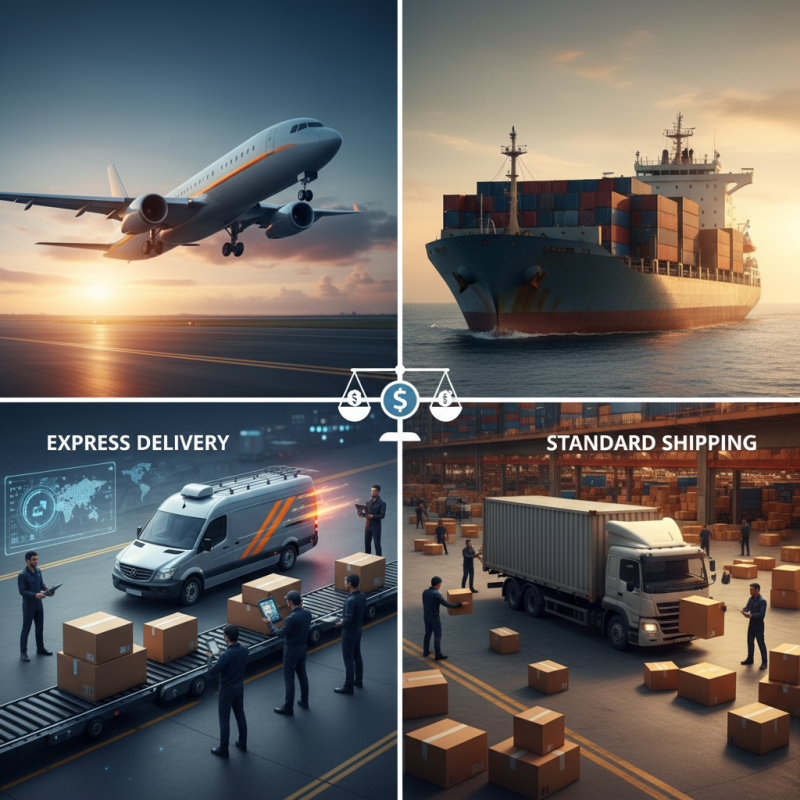
When comparing express delivery to standard shipping, the differences in costs are evident. Express delivery is often two to three times more expensive than standard options. According to industry reports, this surge in pricing stems mainly from logistics and speed. Express services prioritize rapid transit times, often promising delivery within one to three days. This urgency requires more resources, leading to increased operational costs.
Additionally, express shipping frequently involves premium handling and routing. Delivery networks prioritize these packages, allocating more vehicles and workforce to ensure timeliness. Data from logistics studies show that around 25% of express deliveries require specialized sorting facilities. Such facilities can handle high-economy shipping lanes more effectively, but they incur significant overhead costs.
While fast shipping appeals to many consumers, it raises questions about efficiency. Some analyses suggest that inefficiencies in logistics could be reduced. For example, not all express packages require immediate delivery. Shifting some customers' expectations could ease congestion. A reevaluation of consumer needs may bridge the gap between the cost of express and standard options. This complex relationship invites further discussion in the shipping industry, examining how to balance cost and speed effectively.
Express delivery services are increasingly popular, but they also come at a higher cost. Several key factors influence this pricing. One major aspect is speed. Express shipping ensures delivery within one to two days. This rapid service requires more resources and streamlined processes, which increases the overall cost.
Another significant factor is logistics. Companies must invest in advanced technology and infrastructure to manage expedited shipments. According to recent industry reports, approximately 25% of delivery costs are attributed to logistics optimizations. Furthermore, express services often rely on air transport, which is more expensive than ground shipping. The need for frequent communication and real-time tracking adds to operational expenses.
Labor costs also play a crucial role. There's a higher demand for skilled workers who can handle expedited processes efficiently. A study showed that wages in the logistics sector rose by 6% over the past year due to this demand. While express delivery is appealing, it is essential to understand these underlying factors driving the pricing. Each of these elements adds complexity to the service, reflecting its premium nature.
Express delivery often comes with a higher price tag due to its emphasis on speed. The logistics behind this service are complex. Warehouses are carefully stocked to meet rapid demand, and shipping routes are optimized for quick transport. This system requires a network that operates efficiently at all times. More personnel and resources are needed to ensure timely deliveries, translating to increased costs.
In contrast, standard shipping spreads the workload over a longer time frame. Packages can be processed in batches, which lowers operational expenses. However, this method may not suit every customer. People often need items urgently, which creates a dilemma. They may opt for express delivery despite its higher cost, valuing speed over savings.
Many shipping companies continuously evaluate their operations. They strive to balance affordability with efficiency. This ongoing effort is crucial in today’s fast-paced world. Yet, despite their best intentions, inconsistencies often arise. Prices can fluctuate based on demand or external factors. These variables can perplex consumers, leading to a misunderstanding of what they are paying for.
Express shipping often carries a higher price tag than standard shipping due to various operational expenses. One major cost is the expedited handling of packages. Companies need to allocate more resources to ensure that items are processed rapidly. This involves extra staffing, enhanced technology, and better logistics. Speed requires a complex coordination of transportation and warehousing, and that complexity raises costs.
Fuel expenses also contribute to the overall price increase. Express deliveries typically use faster modes of transport, which are more fuel-intensive. Route optimization further complicates things. While technology can minimize waste, it still requires investment and maintenance. Another factor is infrastructure. Express services often rely on a broader network of hubs to ensure timely delivery. Maintaining these facilities incurs significant overhead, ultimately passed on to customers.
While customers appreciate quick delivery, they should also consider each cost factor. Certain packages may not require the urgency of express shipping, making standard options more economical. This can lead to reflection on personal shipping choices and priorities. Balancing speed with cost remains a common challenge for both consumers and businesses in today's fast-paced world.
Express delivery options are often pricier than standard shipping. This cost difference is largely driven by customer demand for speed. According to a 2022 report from the Logistics Management Association, 90% of consumers expect same-day or next-day delivery. This growing expectation leads to increased pressure on logistics providers, pushing prices higher.
When businesses rush to meet these demands, operational costs rise. Express shipping requires more resources, such as additional staff and advanced technology. Notably, a study by the Council of Supply Chain Management Professionals found that 57% of logistics companies feel that rising demand for fast shipping directly affects their pricing strategies. As a result, companies may charge more for express options to maintain profit margins while delivering quickly.
Additionally, the limited availability of fast transportation options can drive up costs. Peak seasons often see an even sharper increase in prices due to surging demand. For instance, the National Retail Federation reported a significant spike in express delivery usage during holiday seasons. Customers ultimately see these cost increases reflected in their shipping fees. Balancing demand and affordability presents a challenge for both consumers and providers.
: Express delivery focuses on speed, requiring more resources and streamlined processes, which increases costs.
Key factors include speed, logistics, labor costs, and fuel expenses. Each plays a significant role in overall pricing.
Logistics optimizations account for about 25% of delivery costs. Companies invest in technology and infrastructure for expedited shipments.
Many need items urgently and value speed over savings, leading to a preference for express options.
Major costs include expedited handling, staffing, fuel, and maintaining a broader network of hubs for timely delivery.
Yes, prices can fluctuate based on demand and external factors, causing confusion for consumers about what they pay for.
Customers should assess urgency and consider if standard options meet their needs, potentially leading to cost savings.
There is a higher demand for skilled workers to handle expedited processes, leading to rising wages in the logistics sector.
While it can minimize fuel waste, optimizing routes requires investment and maintenance, contributing to overall expenses.
They should balance their need for speed with cost considerations, questioning if express shipping is necessary for every package.
Express delivery services typically come with higher costs than standard shipping, primarily due to several key factors. Firstly, the urgency of express delivery necessitates faster transportation methods, which inherently increases operational expenses such as fuel and labor. Additionally, the logistics involved in ensuring timely shipments, including prioritization in sorting facilities and the need for more efficient routing, contribute to these heightened costs.
Customer demand plays a significant role in determining why express delivery is more expensive than standard shipping. As more consumers seek quicker delivery options, providers often adjust pricing to reflect this demand while maintaining service levels. Ultimately, the combined effect of speed, operational requirements, and market demand explains the elevated prices associated with express shipping services.

StudioWare Logistics