Shipping rules vary widely across countries, raising the question: why do different countries have different shipping rules? This complexity stems from diverse cultural, economic, and legal factors. Each nation prioritizes regulations that reflect its values, security needs, and economic goals.
For example, a country's geographic location can impact its shipping policies. Coastal nations might emphasize maritime safety, while landlocked countries focus more on road transport regulations. Additionally, historical trade relations shape shipping laws. Some nations adopt more open policies to foster international trade, while others may impose strict rules to protect domestic industries.
Despite efforts to standardize shipping regulations, inconsistencies remain. This can lead to confusion and inefficiencies for businesses and consumers alike. Understanding why shipping rules differ is crucial for anyone involved in international trade. It highlights the need for ongoing dialogue and collaboration among nations to create a more cohesive global shipping framework.
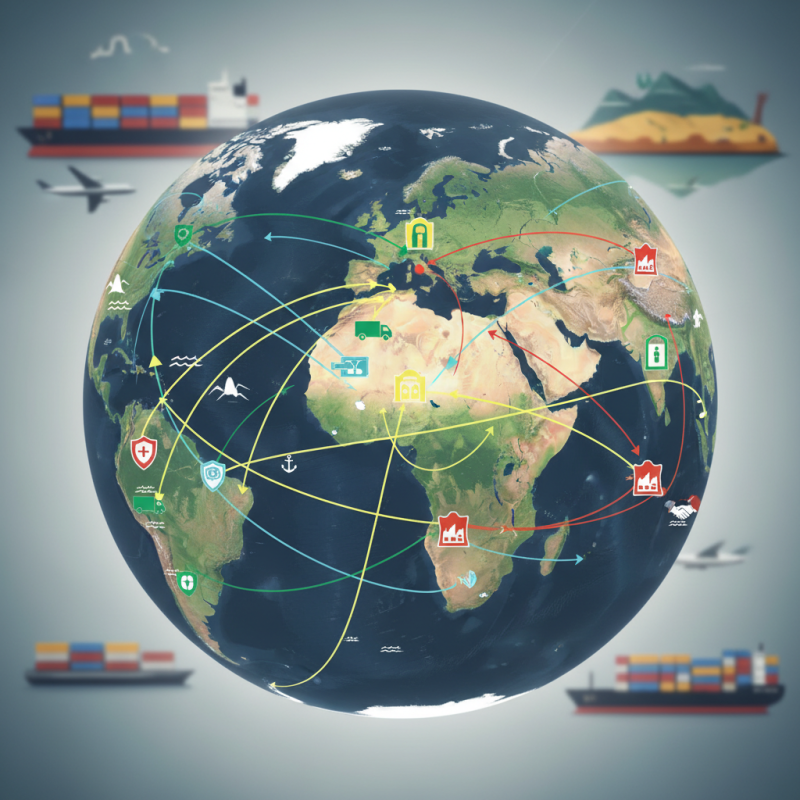
Shipping regulations vary immensely around the globe. This variation stems from each country's unique historical context. Colonial histories, trade routes, and economic needs have shaped policies over time. For instance, nations with rich maritime traditions, like Norway or Greece, often have well-developed shipping laws. Their rules often emphasize safety, environment, and commerce.
In contrast, landlocked countries face different challenges. Their regulations may focus more on logistics and transit agreements. Countries like Switzerland prioritize efficiency in overland transport. Historical trade relationships also play a role. Countries with deep trade ties often harmonize their shipping regulations. Yet, inconsistencies are common. This leads to confusion and legal complexities.
Regulations can also be influenced by political climate. Some countries adopt strict regulations to control imports or protect local industries. These laws can sometimes stifle foreign competition or exacerbate trade tensions. Thus, the historical context continues to impact modern shipping policies, making them a reflection of a country’s unique narrative.
The bar chart above illustrates the regulatory stringency of shipping rules across different countries, rated on a scale from 1 to 10. Variations in these regulations arise from historical contexts, economic conditions, and specific regulatory frameworks in place for each country.
Shipping rules vary widely across countries due to several key factors.
Geography plays an important role. Countries with vast coastlines and numerous ports have more complex regulations.
For instance, the World Trade Organization reports that countries like the United States implement stricter maritime regulations than landlocked nations.
This ensures better safety and environmental protection.
Cultural factors also shape shipping rules. In some regions, environmental considerations are paramount.
The International Maritime Organization states that nearly 90% of global trade is carried by sea.
Thus, nations prioritize regulations that address pollution from shipping. Conversely, countries focusing on economic growth may favor looser rules to facilitate trade.
Shipping rules differ widely across countries due to varying legal frameworks and compliance requirements. Each nation has its own set of laws governing trade, safety, and environmental standards. For example, some countries prioritize stringent safety regulations, while others focus on trade efficiency. This divergence often leads to complexities for international shipping companies.
Compliance requirements can vary significantly. Some nations require extensive documentation, while others have simpler processes. This inconsistency can create challenges for businesses trying to navigate the global marketplace. Issues may arise from unexpected customs checks or diverse packaging standards. Companies must stay informed about these differences to avoid costly delays.
Furthermore, local regulations can change unexpectedly, leading to confusion. A recent shift in shipping policies in one region may not be mirrored elsewhere. Adapting to these evolving rules requires businesses to be vigilant and flexible. Shipping professionals often find it necessary to maintain ongoing education about international laws. This constant learning environment fosters better compliance and operational efficiency.
Shipping rules vary greatly between countries. Each nation has its own regulations, affecting trade flows and costs. These variations can lead to significant economic impacts. Countries with strict regulations might face delays in shipping. Conversely, nations with looser rules may attract more foreign businesses.
Customs procedures differ widely. Some nations are efficient, while others are not. Inconsistent regulations can frustrate exporters. Shipping costs can skyrocket due to additional fees and tariffs. Countries with complex rules might push businesses to seek alternatives.
Here are a few tips for navigating these challenges:
Different countries exhibit varied shipping rules due to their unique trade agreements. These agreements shape how goods are transported and what regulations apply. For instance, a country may prioritize environmental standards, while another focuses on trade efficiency. Such differences can complicate international shipping. Shippers must stay informed about these variations to avoid costly mistakes.
Global trade agreements often dictate compliance standards. They establish guidelines for safety, customs clearance, and documentation. Countries with strict agreements typically require thorough inspections. Alternatively, others may streamline processes, aiming to attract foreign investment. This creates a patchwork of rules that can be confusing. Shippers must navigate these waters to ensure smooth operations.
Changes in trade agreements can also impact shipping regulations. A recent update in one agreement may relax tariffs but tighten safety protocols. Companies should adapt quickly to stay competitive. In this evolving landscape, ongoing education about shipping rules is essential. Without it, companies may find themselves facing unexpected challenges.
| Country | Shipping Rules and Regulations | Trade Agreements | Impact on Shipping |
|---|---|---|---|
| United States | Federal Maritime Commission regulations, customs compliance | USMCA, WTO | Streamlined trade with North America |
| European Union | EU shipping regulations, customs union policies | European Single Market | Facilitated intra-EU trade |
| China | Various state policies, strict customs controls | Belt and Road Initiative | Expanded trade routes across Asia |
| Australia | Australian Maritime Safety Authority regulations | ANZFTA | Benefits from regional trade agreements |
| Brazil | Overseeing by ANTAQ, customs regulations | Mercosur | Increased regional cooperation |
: Shipping rules vary due to geography, culture, technology, and legal frameworks in each nation.
Countries with extensive coastlines have more complex regulations, ensuring safety and environmental protection.
Some nations prioritize environmental protection, while others focus on economic growth, affecting regulation strictness.
Outdated customs procedures can slow shipping times by up to 30%, causing inefficiencies in international trade.
Compliance with local regulations prevents costly delays and ensures smoother transactions in the global marketplace.
Unexpected customs checks and diverse packaging standards can lead to confusion and delays for businesses.
Ongoing education about international laws and local regulations is essential for better compliance and efficiency.
Research local regulations and consider hiring a customs broker to facilitate smoother shipping transactions.
Strict regulations may lead to shipping delays, while looser rules can attract more foreign businesses and increase trade.
Regulatory changes often occur unexpectedly, and businesses must adapt quickly to maintain operational efficiency.
The question of "why do different countries have different shipping rules" can be understood through various lenses, including historical, economic, and legal perspectives. Historically, shipping regulations have evolved based on a country’s maritime history, colonial influences, and trade practices. These historical contexts shape the current framework of shipping laws in each nation.
Key factors influencing these rules include geographical considerations, economic priorities, and compliance requirements that differ significantly across borders. For example, countries with extensive coastlines may have stricter maritime safety regulations, while landlocked nations might prioritize trade agreements to facilitate shipping routes. Additionally, varying legal frameworks and compliance requirements create challenges for international shipping, leading to economic impacts as nations strive to adapt to or harmonize their shipping rules under global trade agreements. This complexity underlines the necessity for comprehensive understanding and collaboration among countries in the global shipping landscape.

StudioWare Logistics