Why Do Customs Delays Occur in Global Shipping Processes?

Time:2026-05-01 Author:Charlotte
0%

Delays in customs can significantly impact global shipping efficiency. According to the World Bank's Logistics Performance Index, over 50% of businesses report that customs processes are a major source of delays. This raises the question: why do customs delays happen in global shipping?

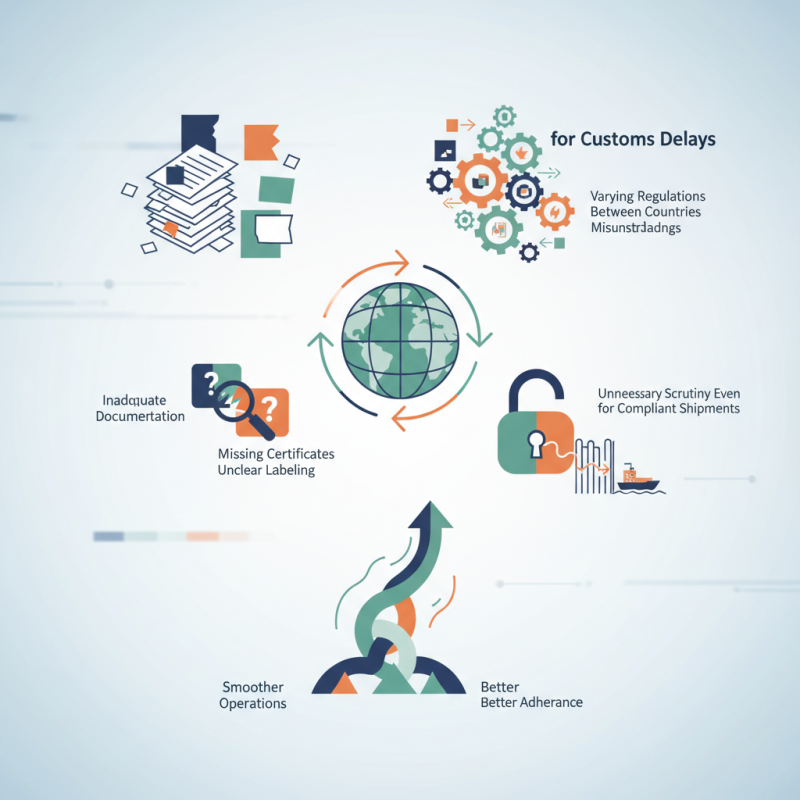
Various factors contribute to these delays. Inadequate documentation, for instance, is a frequent issue. A lack of clear labeling or missing certificates can halt shipments. Furthermore, customs regulations vary widely between countries, complicating compliance. A report from the International Chamber of Commerce indicates that misunderstandings regarding these regulations cause inefficiencies. Yet, there are instances where even compliant shipments face unnecessary scrutiny.

Awareness of these issues is essential for shippers. Understanding why do customs delays happen in global shipping can help businesses mitigate risks. Companies must continuously review their processes. Addressing these challenges proactively can lead to smoother operations. Ultimately, better adherence to customs regulations can enhance global shipping performance.
Why Do Customs Delays Occur in Global Shipping Processes?

Understanding Customs Delays in Global Shipping

Understanding customs delays in global shipping is vital for businesses. These delays can significantly impact supply chains. According to a report from the World Bank, customs processes can account for about 15% of transportation costs. Inefficiencies in customs can slow down the flow of goods.

One common cause of delays is insufficient documentation. Customs officials often require detailed paperwork, including invoices and shipping manifests. Missing information can lead to lengthy holds. A study by the OECD highlights that nearly 30% of customs-related delays stem from documentation errors. Every lapse adds time and cost to the shipment.

Another factor is the inspection procedures. Authorities often randomly select shipments for thorough checks. While this is crucial for security, it can lead to unpredictability. Research shows that shipments subjected to inspection can take up to three times longer to clear customs. Both businesses and consumers face the consequences of these delays. Understanding these complexities aids in developing strategies to minimize disruptions.

Factors Contributing to Customs Delays

Customs delays in global shipping can stem from various factors. A common issue is incomplete or inaccurate paperwork. Customs requires detailed information. Missing documents can lead to significant delays. Errors in declarations often trigger additional examinations, which slow down the process. It’s vital to double-check all entries before submitting.

Another crucial factor is customs regulations themselves. Different countries have specific rules regarding imports and exports. Changes in regulations can create confusion, resulting in compliance issues. Companies must stay updated on these laws to avoid unnecessary setbacks. The complexity of tariffs and duties adds another layer of challenge.

Tips: Always prepare documents ahead of time. Check for accuracy in every detail. Familiarize yourself with the customs regulations of each country involved in the shipment. Partnering with experienced customs brokers can mitigate risks and streamline processes.

Impact of Documentation and Compliance on Shipping Times

Customs delays in global shipping can often be traced back to issues with documentation and compliance. When shipments cross borders, they must meet specific regulatory requirements. Each country has its own set of rules, which can create confusion. Discrepancies in paperwork can lead to lengthy inspections or even redirection to additional processing facilities.

Accurate documentation is crucial for smooth shipping processes. Missing or incorrect information can slow things down. For instance, a single wrong date on import permits can trigger delays. Many businesses underestimate the importance of complete and precise documentation. They often rush these tasks, believing everything will go smoothly. This mindset can lead to significant hold-ups.

Compliance with regulations is another factor that impacts shipping times. Exporters must keep abreast of changes in customs laws. Failure to adapt can result in fines or shipment confiscation. New regulations can be complex and hard to navigate. Some businesses lack the necessary expertise to handle this. This gap in knowledge can make customs processes cumbersome and unpredictable.

Why Do Customs Delays Occur in Global Shipping Processes? - Impact of Documentation and Compliance on Shipping Times

Issue Description Impact on Shipping Time Frequency of Occurrence
Incomplete Documentation Missing or incorrect paperwork can cause significant delays. 1-3 days 15%
Regulatory Compliance Issues Goods may not meet local import regulations leading to inspections. 3-7 days 20%
Customs Inspections Random checks by customs can cause unexpected delays. 2-5 days 25%
Tariff Classification Disputes Misunderstandings on how goods are classified can lead to holds. 1-4 days 10%
Inadequate Broker Support Lack of professional customs brokers can lead to processing errors. 2-3 days 30%

Role of Customs Authorities in Global Trade

Customs authorities play a vital role in global trade. They ensure that imported and exported goods meet national regulations. Their responsibilities include assessing duties, enforcing trade laws, and conducting inspections. However, these processes can lead to delays. Each country has different rules, which complicates the shipping process.


Authorities might require additional documentation or inspections. For example, if a shipment lacks proper labeling, it can be held up. Delays are common when customs officers suspect a violation. They may need to investigate further. This can lead to frustration among businesses, affecting their supply chains and customer satisfaction.


Improving communication with customs can help mitigate delays. Companies should stay updated on regulations. Logistical transparency is key to avoiding missteps. Nonetheless, the varied nature of global trade means that challenges are inevitable. Embracing flexibility and learning from setbacks will enhance efficiency in customs processes.

Strategies for Reducing Customs Delays in Logistics

Customs delays are a common issue in global shipping. Various factors contribute to these delays. Inadequate documentation is a leading cause. If required papers are missing or incorrect, shipments can sit idle. Furthermore, changes in regulations can lead to unexpected hold-ups. Understanding these elements is crucial for businesses relying on timely deliveries.

To reduce customs delays, companies should focus on accurate documentation. All necessary paperwork needs to be prepared in advance. This includes invoices, packing lists, and any import/export permits. Investing in training staff can ensure they are up-to-date on the latest customs requirements.

Tips: Regularly review your documentation process. This can identify potential issues early. Consider using software tools that help in tracking compliance. Additionally, maintaining communication with customs officials might facilitate quicker clearance. Building relationships can also be beneficial.

Lastly, allocate enough time for shipping processes. Many companies underestimate how long customs procedures can take. Planning for unexpected delays can prevent operational disruptions. Always have a contingency plan ready.

FAQS

: What is a common cause of customs delays?

: Insufficient documentation is a leading cause of delays. Missing information can hold up shipments for long periods.

How much can customs processes affect transportation costs?

Customs processes can account for about 15% of transportation costs. This impact is often overlooked by businesses.

What happens if documentation is incorrect?

A single error can trigger serious delays. Even a wrong date on permits can lead to hold-ups.

Why are inspections necessary?

Inspections ensure security, but they can also slow down shipping significantly. Affected shipments can take three times longer to clear.

How can businesses reduce customs delays?

Accurate documentation is key. All necessary paperwork should be prepared in advance to avoid unnecessary delays.

Why is compliance with regulations important?

Keeping up with customs laws is crucial. Noncompliance can lead to fines or even confiscation of shipments.

How can companies improve their documentation process?

Regular reviews can help identify potential issues early. This proactive approach can save time and costs.

What role does staff training play?

Training staff ensures they stay updated on customs requirements. This knowledge reduces errors and streamlines the process.

How should businesses plan for customs procedures?

Allocate enough time for customs clearance. Always prepare a contingency plan for unexpected delays during shipping.

What is a common mistake businesses make regarding customs?

Many underestimate how long customs processes take. This lack of foresight can lead to operational disruptions.

Conclusion

Customs delays in global shipping are a significant challenge that can disrupt supply chains and increase costs. Understanding why do customs delays happen in global shipping involves recognizing various factors such as incomplete documentation, misdeclarations, and compliance issues. Documentation accuracy is crucial; any errors can lead to increased inspections and prolonged clearance times. Additionally, customs authorities play a vital role in regulating trade and enforcing compliance, contributing to potential delays when shipments do not meet their standards.

To mitigate these delays, importers and exporters can adopt several strategies, including better training for compliance, utilizing technology for documentation processing, and establishing clear communication channels with customs officials. By addressing the root causes and implementing efficient processes, businesses can enhance their logistics operations and reduce the impact of customs delays on their shipping times.

Charlotte

Charlotte

Charlotte is a seasoned marketing professional with a deep understanding of the company's portfolio and a passion for elevating its presence in the market. With a keen eye for detail and a commitment to excellence, she ensures that our professional blog is regularly updated with insightful articles......