When considering logistics options from China, buyers often face a critical choice: air freight or sea freight. Understanding how does air freight differ from sea freight is essential for making informed decisions. Both methods have unique advantages and disadvantages that can significantly impact costs, delivery times, and overall efficiency.
Air freight offers speed and reliability. It is ideal for urgent shipments, especially for high-value items. However, it comes at a higher price. Conversely, sea freight is more economical for large volumes. It takes longer and involves more complexities, such as customs regulations and potential delays. Buyers need to weigh these factors carefully, as the choice often relies on specific business needs and market conditions.
The decision process can be daunting. There are many variables to consider. Not every shipment benefits from air freight's speed, and not every product is suited for the slower sea freight. Buyers must analyze their unique situations. Identifying the right method can lead to significant cost savings and improved supply chain efficiency.
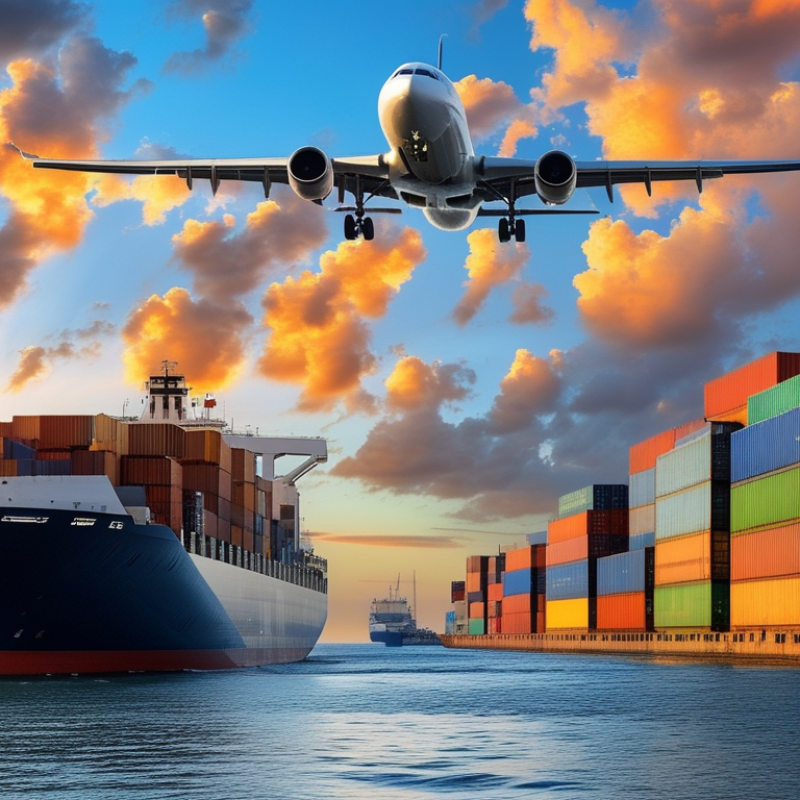
When deciding between air freight and sea freight, it’s vital to understand their differences. Air freight is fast and efficient but often comes at a higher cost. It’s suitable for urgent deliveries, such as perishable goods or critical equipment. On the other hand, sea freight is more economical for large shipments but takes longer. Businesses must weigh these factors based on their specific needs.
**Tips:** If time is crucial, opt for air freight despite the cost. For bulk items, sea freight can save significant money. Ensure to plan ahead to manage delivery times effectively.
Additionally, consider customs clearance procedures for both modes of transport. Air freight usually encounters less red tape compared to sea freight. However, delays can still occur. Packaging also plays a role; delicate items need careful handling. Understand the requirements for your products before shipping.
**Tips:** Always check the customs regulations for your destination. Proper documentation can prevent unexpected delays and costs. Stay informed about seasonal shipping trends, as demand fluctuates year-round.
Air freight is often the go-to choice for businesses prioritizing speed and efficiency. A report from the International Air Transport Association (IATA) shows that air freight can be up to 4-6 times faster than sea freight. This speed ensures that products reach their destinations promptly, catering to urgent customer demands. In industries like fashion and technology, where trends shift rapidly, air freight becomes essential.
However, air freight comes with a higher price tag. Businesses must weigh the costs against the benefits. The average cost of shipping goods by air can range from $2.50 to $3.50 per kilogram, compared to $0.10 to $0.50 for seafreight. Potentially, companies could overextend budgets on air shipping if not careful. A strategic approach is necessary to utilize air freight effectively without overspending.
**Tips:** Consider shipping lighter and high-value items by air. Utilize air freight for time-sensitive shipments to maximize efficiency. Ensure proper documentation and packaging to avoid delays. Air freight may not always be the affordable choice, but it offers unmatched speed when time is crucial. The key lies in balancing need and expense while constantly reassessing operational strategies.
When considering shipping methods from China, sea freight stands out for several reasons. A recent report indicates that sea freight can reduce shipping costs by up to 70% compared to air freight. This significant savings makes it an attractive option for businesses looking to maximize their profit margins. Particularly for bulk shipments, sea freight proves to be exceptionally cost-effective.
Shipping large quantities via sea can lead to economies of scale. For instance, a 40-foot container can hold up to 28,000 liters of liquid or about 22 tons of cargo. This capability enables companies to transport goods more efficiently than smaller air shipments. However, delays are common in sea freight. Weather conditions and port congestion can extend delivery times. Businesses must consider this factor in their supply chain planning.
Furthermore, sea freight is more environmentally friendly than air freight. It produces significantly lower emissions per ton of cargo transported. This characteristic aligns with the growing trend of sustainability in logistics. Nevertheless, businesses should weigh this eco-friendliness against the longer delivery times. In summary, while sea freight offers advantages in cost and bulk shipping, the trade-offs require careful consideration.
| Dimension | Air Freight | Sea Freight |
|---|---|---|
| Cost | Higher cost per kg | Lower cost per kg |
| Speed | Fast delivery (1-3 days) | Slower delivery (10-30 days) |
| Capacity | Limited cargo space | Large cargo capacity |
| Reliability | High reliability | Weather-dependent |
| Environmental Impact | Higher CO2 emissions | Lower CO2 emissions |
| Suitable for | Urgent and high-value goods | Bulk goods and non-urgent items |
When choosing between air and sea freight, buyers should evaluate several key factors. Speed is often the most critical consideration. Air freight is significantly faster, making it ideal for urgent shipments. In contrast, sea freight takes longer but offers substantial cost savings, especially for bulky items.
Cost is another crucial factor. Air freight rates tend to be higher due to speed and handling requirements. Consider your budget and the urgency of delivery. Sometimes, the lower cost of sea freight can be a more viable option for non-urgent shipments. Each choice has its trade-offs.
Tips: Always factor in delivery time when assessing costs. If a shipment is time-sensitive, air freight may justify the price. However, for larger shipments, plan for sea freight to maximize savings. Think about the nature of the goods, too. Fragile items may require faster transport, while Durable goods could endure longer transit.
Remember that customs clearance can affect both modes. Ensure that all documentation is prepared. Delays in paperwork can nullify any speed advantage from air freight. Ultimately, the best choice hinges on balancing speed, cost, and the nature of your cargo. Reflect on your priorities for each shipment to make a more informed decision.
This chart illustrates the comparison between air freight and sea freight based on five key factors: Cost, Speed, Reliability, Capacity, and Environmental Impact. Air freight tends to be faster and more reliable, but at a higher cost and with a larger environmental footprint. Conversely, sea freight is more cost-effective and can handle larger volumes, but is slower and less reliable.
When considering air freight versus sea freight from China, it's crucial to weigh several factors. Air freight is faster. It often takes days to reach its destination. This speed is beneficial for urgent shipments. However, it tends to be significantly more expensive. Buyers need to assess their budget. Is the urgency worth the extra cost?
On the other hand, sea freight is cost-effective for large shipments. It saves money, making it ideal for bulk goods. However, the transit time can take weeks. Patience is required here. It’s also important to consider the handling of goods. Sea freight can lead to delays due to weather or port issues. Buyers should think ahead and plan accordingly.
Buyers often face dilemmas. Choosing between cost and speed is challenging. Researching reputable freight forwarders is vital. They provide expertise and may offer flexible solutions. Remember, each shipment is unique. Analyze your specific needs carefully. A well-informed decision is essential for successful shipping outcomes.
: Air freight is faster, up to 4-6 times quicker than sea freight. It’s essential for urgent delivery.
Shipping by air costs $2.50 to $3.50 per kilogram. This is significantly higher than sea freight rates.
Companies should ship lighter, high-value items and ensure proper documentation to avoid delays.
Sea freight reduces shipping costs by up to 70%. It’s particularly effective for bulk shipments.
Delays due to weather and port congestion can extend delivery times. This is a common issue.
It produces lower emissions per ton transported compared to air freight, contributing to sustainability.
Evaluate speed, cost, and nature of goods. Understand that each choice has trade-offs.
Proper documentation is crucial. Delays in paperwork can undermine air freight's speed advantage.
Fragile or time-sensitive items are better suited for air transport due to their urgency.
Not always. For non-urgent shipments, sea freight may be more economical despite its longer time.
When considering "how does air freight differ from sea freight," it's essential to understand the fundamental differences between the two modes of transport. Air freight offers unparalleled speed and efficiency, making it ideal for time-sensitive shipments. In contrast, sea freight is more cost-effective for transporting large volumes of goods, albeit at a slower pace. Each method has its respective advantages, with air freight catering to urgent needs while sea freight excels in bulk shipping.
Buyers must consider several factors when deciding between air and sea freight, including cost, delivery time, and the nature of the goods being transported. Effective decision-making in freight shipping involves weighing these aspects carefully to choose the best option for their specific needs, ultimately leading to informed and strategic logistics solutions.

StudioWare Logistics