How to Avoid Delays in International Shipping Customs Issues?

Time:2026-07-02 Author:Charlotte
0%

International shipping is often plagued by customs delays. According to the World Bank, delays can extend delivery times by 5 to 10 days on average. This affects supply chains globally, leading to increased costs. For businesses, knowing how to avoid delays in international shipping customs is crucial.

A report by the International Chamber of Commerce highlights that nearly 60% of shipments face customs issues. Proper documentation significantly reduces these risks. Yet, many shippers overlook essential requirements, which leads to unexpected delays. Understanding customs regulations is fundamental for smooth shipping operations.

Moreover, technology adoption, such as automated customs systems, is growing. This not only enhances efficiency but also minimizes human errors. Still, many businesses hesitate to embrace these advancements. Finding the balance between traditional methods and tech-driven solutions is vital for resolving customs challenges.
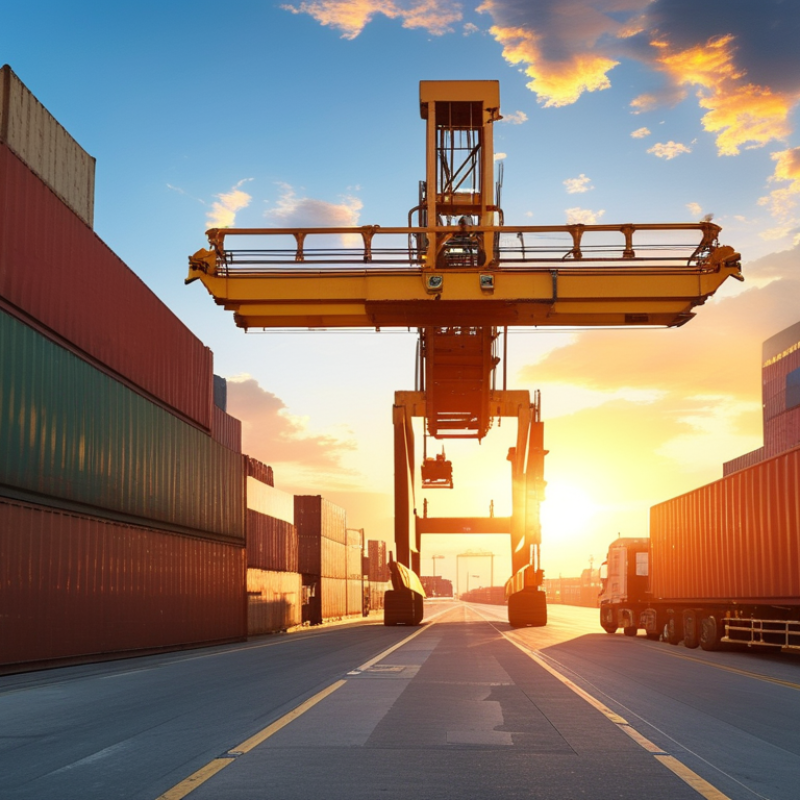
How to Avoid Delays in International Shipping Customs Issues?

Understanding Customs Regulations in International Shipping

Understanding customs regulations is crucial in international shipping. More than 50% of delays stem from customs issues. Compliance with local laws can make a significant difference. For instance, in 2022, the World Trade Organization reported that improper documentation led to 30% of customs delays. This highlights the importance of accurate paperwork.

Shippers must familiarize themselves with specific customs requirements in each destination country. Terms like “harmonized system codes” and “import restrictions” can complicate the process. Inconsistent classification of goods can result in severe penalties or confiscations. A closer look reveals that many businesses underestimate the importance of duty calculations. Inaccurate duty assessments can delay shipments by additional weeks.

Proper research and consultation can save time. Consulting resources like the International Chamber of Commerce can provide insights into local customs practices. However, many companies fail to allocate adequate time for this research. This gap can lead to misunderstandings and costly mistakes. It’s essential to stay informed and proactive. Building relationships with local customs brokers may also help mitigate potential obstacles.

Importance of Accurate Documentation for Smooth Customs Clearance

Accurate documentation is crucial for smooth customs clearance in international shipping. Each shipment requires specific paperwork. This includes commercial invoices, packing lists, and bills of lading. Mistakes in these documents can lead to delays. For example, an incorrect tariff classification may cause authorities to hold your goods longer. This not only adds costs but also disrupts your supply chain.

Understanding the importance of each document is vital. A commercial invoice should match the packing list. Discrepancies invite scrutiny from customs. Customs officials focus on accuracy. Even small mistakes can flag a shipment for further inspection. Missing a signature or mislabeling an item can be costly.

To avoid pitfalls, ensure the information is clear and precise. Double-check all entries before submission. Seek professional assistance if necessary. Engaging with customs experts can provide insights. They understand the ins and outs of documentation. Reliable documentation fosters trust with customs and expedites your shipment. Always remember, attention to detail can make or break your shipping experience.

Common Reasons for Shipping Delays Due to Customs Issues

Shipping delays are often rooted in customs issues. A recent report by the World Bank indicates that about 30% of international shipments face delays due to customs inspections. These delays occur when documentation is improper, or items are incorrectly classified. Proper labeling of goods is crucial for smooth clearance. Missing or incomplete paperwork, such as customs declarations, can also lead to prolonged processing times.

Another major reason for customs delays is the lack of understanding of local regulations. Different countries have unique import restrictions and requirements. According to a survey by the International Chamber of Commerce, nearly 40% of businesses cite confusion over customs laws as a key obstacle. Ensuring compliance with these rules can save time and reduce the stress of unexpected holdups. Miscommunication with customs brokers may also hinder the shipping process, causing further delays.

Inadequate preparation can lead to substantial setbacks. Customs procedures can be complicated, requiring meticulous attention to detail. Errors in duties and taxes can result in shipments being held indefinitely. Being proactive about understanding customs requirements is essential. For those regularly shipping internationally, investing in training or consulting with experts may be beneficial. Even minor mistakes can lead to significant delays, disrupting supply chains and impacting business relationships.

Common Reasons for Shipping Delays Due to Customs Issues

This chart displays the common reasons for delays in international shipping due to customs issues. Understanding these factors can help shippers avoid potential delays.

Strategies to Mitigate Customs Delays in International Trade

Navigating customs issues can be challenging in international shipping. One effective strategy is to ensure accurate documentation. Every shipment requires precise paperwork, including invoices and packing lists. Missing or incorrect details can lead to lengthy delays. Double-check all information before shipping. Small errors can result in large setbacks.

Communication is another key factor. Establishing a clear line of communication with customs officials can expedite processes. If possible, engaging a customs broker can be beneficial. They have expertise in local regulations and can ease any complications. Even minor misunderstandings can lead to significant delays.

Additionally, awareness of specific customs regulations is essential. Different countries have unique requirements, and staying informed can prevent hiccups. It might be helpful to review customs guidelines regularly. This practice can identify potential issues before they arise. While it can feel overwhelming, attention to these details is crucial for smoother shipments.

Leveraging Technology to Streamline Customs Processes and Compliance

In the realm of international shipping, customs compliance can be a daunting challenge. According to industry reports, about 25% of all shipments face delays due to customs issues. Leveraging technology has emerged as a critical strategy to address these problems. By adopting electronic customs systems, companies can streamline the submission of documentation and reduce processing times. Digital tools enable real-time tracking, ensuring that exporters and importers stay informed.

Furthermore, automation plays a pivotal role in minimizing human error. A survey from the World Bank indicates that digitizing customs processes can cut down clearance time by up to 30%. Utilizing data analytics enhances decision-making. Companies can identify patterns in customs clearance and anticipate potential delays. However, reliance on technology is not without its flaws. Data breaches and software glitches can hinder operations and complicate compliance.

Investing in training and development also remains essential. Employees must understand regulatory requirements and how technology aids compliance. Reports highlight that nearly 40% of companies experience staff-related delays in customs processing. This underscores the need for a balanced approach—merging technology with human expertise to optimize customs outcomes.

How to Avoid Delays in International Shipping Customs Issues?

Dimension Description Technology Solution Impact on Customs Process
Documentation Accuracy Ensuring all shipping documents are correct and complete. Document Management Software Reduces discrepancies and speeds up clearance.
Tariff Classification Correctly classifying goods to align with customs regulations. AI Classification Tools Minimizes delays caused by classification errors.
Pre-Arrival Review Reviewing shipments before they reach customs. Automated Pre-Arrival Systems Facilitates faster processing upon arrival.
Customs Alerts Notifications about potential customs issues. Real-time Monitoring Tools Reduces risk of unexpected delays.
Compliance Management Ensuring adherence to local and international regulations. Compliance Software Streamlines adherence and reduces violations.

FAQS

: What are common reasons for shipping delays?

: Shipping delays often stem from customs issues, such as improper documentation or incorrect item classification.

How can improper labeling affect shipping?

Improper labeling can result in extended delays during customs clearance, impacting delivery times.

Why is understanding local regulations important?

Each country has unique import restrictions. Misunderstanding these can lead to significant delays in shipping.

What role do customs brokers play?

Miscommunication with customs brokers may hinder the shipping process, causing unexpected hold-ups or confusion.

How can companies reduce customs-related delays?

Companies should invest in training for staff and leverage technology to streamline customs documentation and compliance.

What impact does automation have on customs processes?

Automation can minimize human error in customs, potentially reducing clearance time by up to 30%.

Are there risks associated with relying on technology for customs?

Yes, issues like data breaches and software glitches can disrupt operations and complicate compliance procedures.

How does inadequate preparation influence shipping?

Inadequate preparation can lead to substantial setbacks, including errors in duties and taxes that hold shipments indefinitely.

Why is it essential to combine technology with human expertise?

A balanced approach that merges technology with human understanding can optimize customs outcomes and reduce delays.

Can minor mistakes cause major delays?

Yes, even small errors in shipping documentation can significantly disrupt supply chains and business relationships.

Conclusion

In today's global economy, understanding customs regulations is crucial for anyone engaged in international shipping. One of the key aspects of how to avoid delays in international shipping customs is ensuring that all documentation is accurate and complete. Incorrect or incomplete paperwork is a common cause of shipping delays, which can lead to increased costs and disrupted supply chains.

To mitigate customs delays, shippers should familiarize themselves with jurisdiction-specific regulations and maintain open communication with customs authorities. Additionally, leveraging technology, such as customs management software, can help streamline processes and improve compliance. By adopting these strategies, international traders can significantly reduce the chances of delays caused by customs issues, ensuring a smoother shipping experience.

Charlotte

Charlotte

Charlotte is a seasoned marketing professional with a deep understanding of the company's portfolio and a passion for elevating its presence in the market. With a keen eye for detail and a commitment to excellence, she ensures that our professional blog is regularly updated with insightful articles......